
Lorne Victoria Australia
Charles Beal (1821-1888)
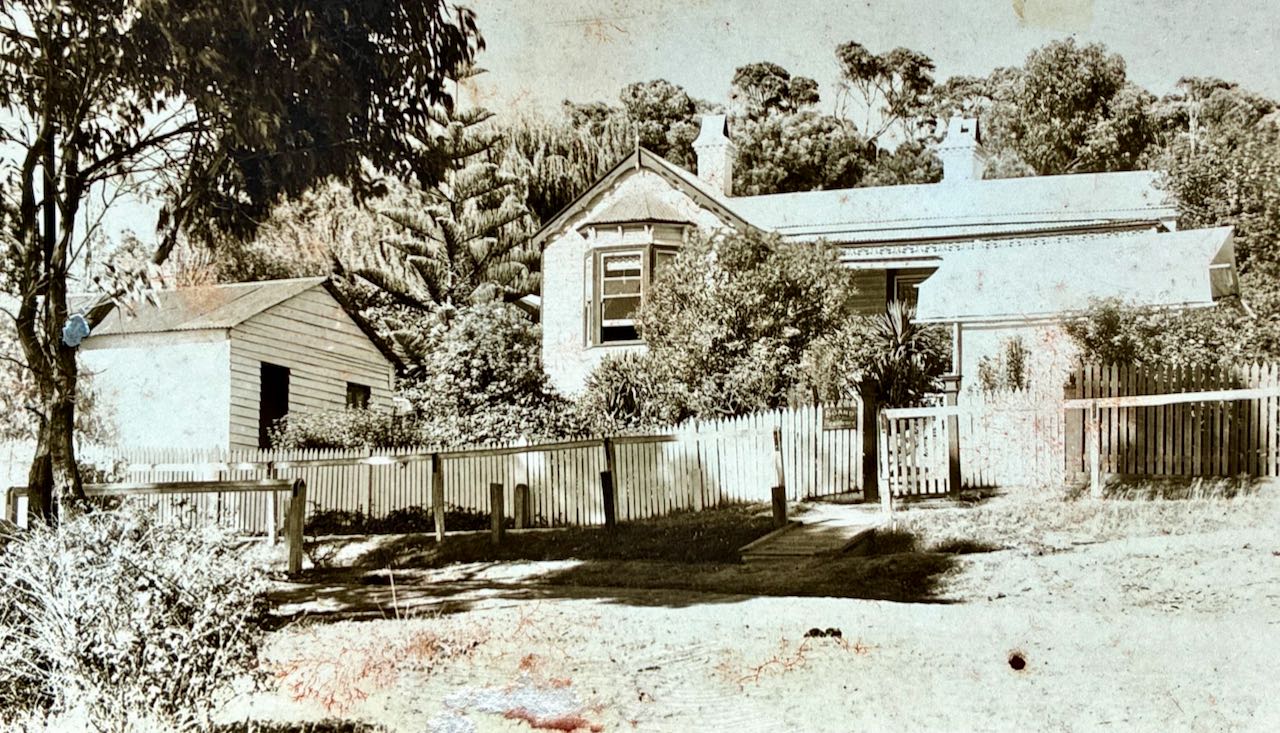
He was born in Sandwich in 1821, the second son of Thomas Beal (1785-1869) and Eliza Marsh (1806-1866) of Kent in England. He sailed to Australia at the age of 16 and landed in Hobart on 17 July 1838. He couldn’t find work so Charles and a friend sailed to the mainland, landing at the mouth of the Yarra River. They trekked through bush for two days before reaching Melbourne and worked there for a while. Charles then travelled to Geelong then to Birregurra. He bought land and built Bleak House.
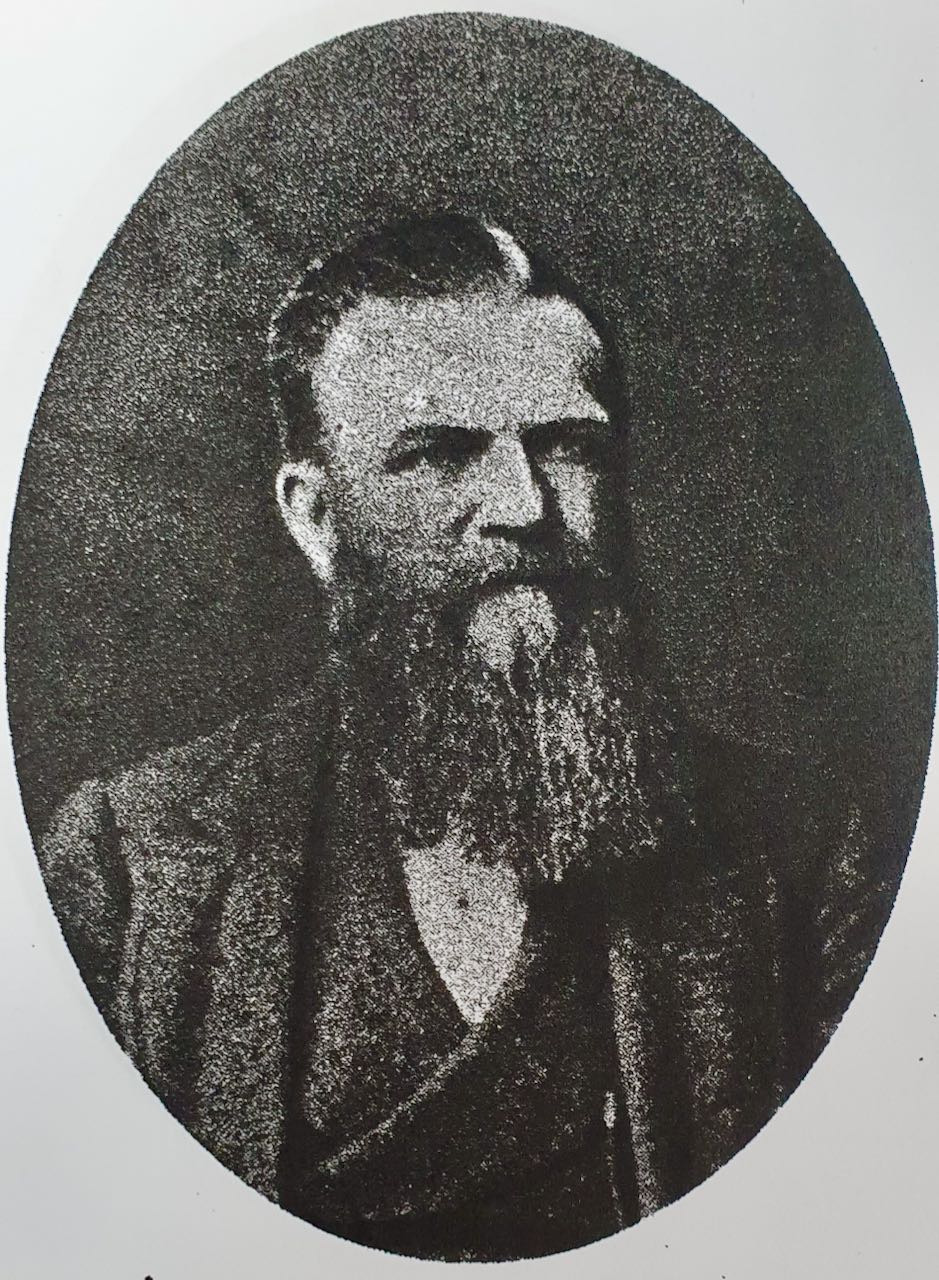
Charles Beal
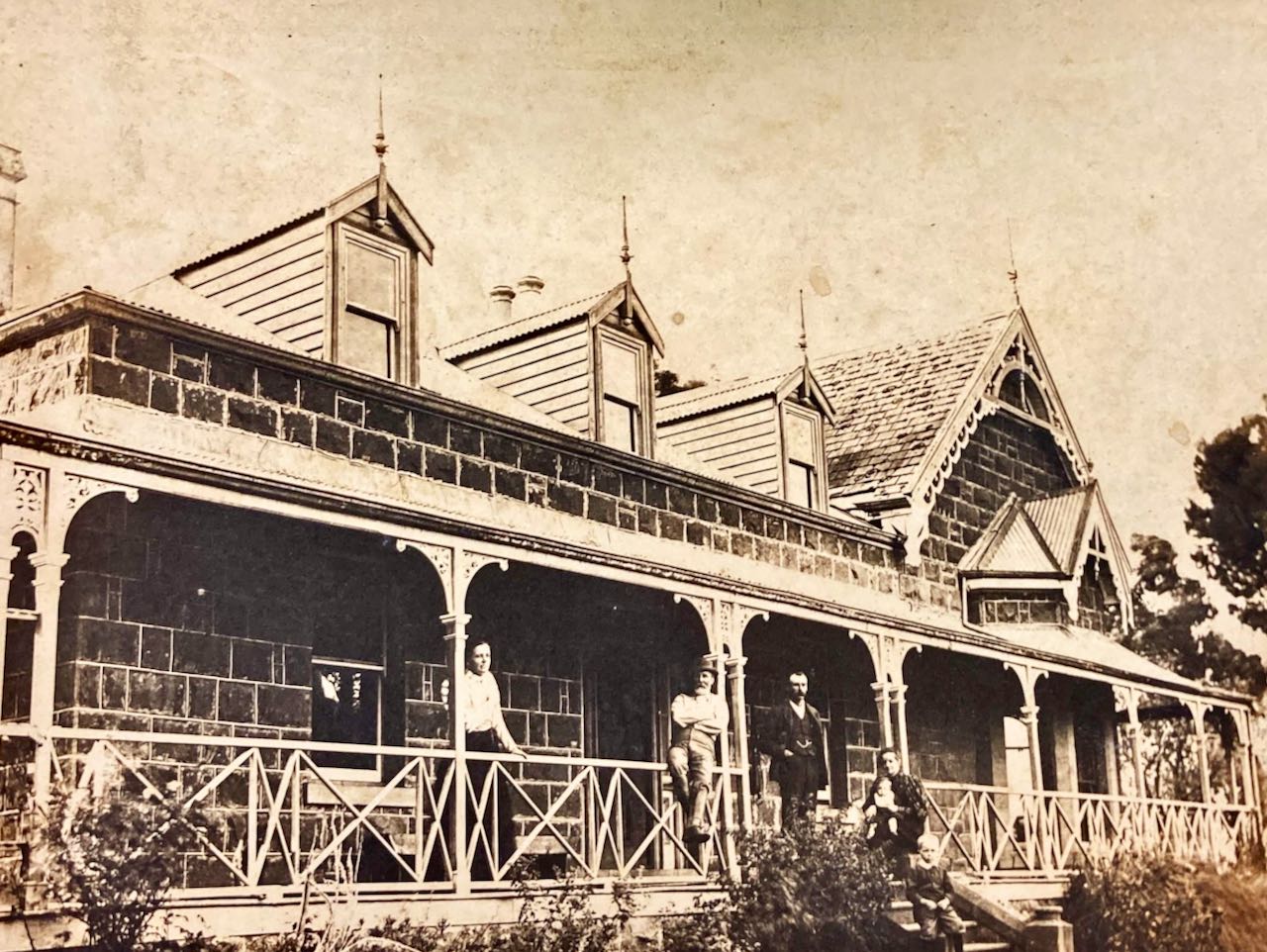
B207, Bleak House, original owner Beal
At the age of 25 he was one of the founders of Winchelsea and one of two enterprising young men (the other being Prosper Trebeck) who in 1842 built the Barwon Inn, the first building in the future Winchelsea. It was destroyed by fire but was rebuilt in 1843 and ultimately became the Barwon Hotel of today. Charles, Prosper and Thomas Austin arranged the building of the first church in Winchelsea and a schoolroom in Winchelsea in 1946.
In 1853 the firm of Beal and Trebeck sold their hotel and rented Mt Gellibrand Station from Charles Ayrey. Mt Gellibrand was subdivided and Beal purchased 6,563 acres (approx 3627 hec) of the station and built a new home on his new holding. Miss Ayrey, a daughter of the original owner became a ward of the Beal’s after the death of her parents. She named her new home Bleak House. At one time, Charles Beal’s parents Thomas Beal and Eliza Beal lived in a cottage at Bleak House Warncoort.
Between 1862 and 1865, Beal of Bleak House was a member of the Winchelsea Roads Board and Winchelsea Shire Council (1861-1865). He then became a member of the Colac Shire Council for 13 years, and was President in 1867 and a Justice of the Peace from 1821 to 1888.
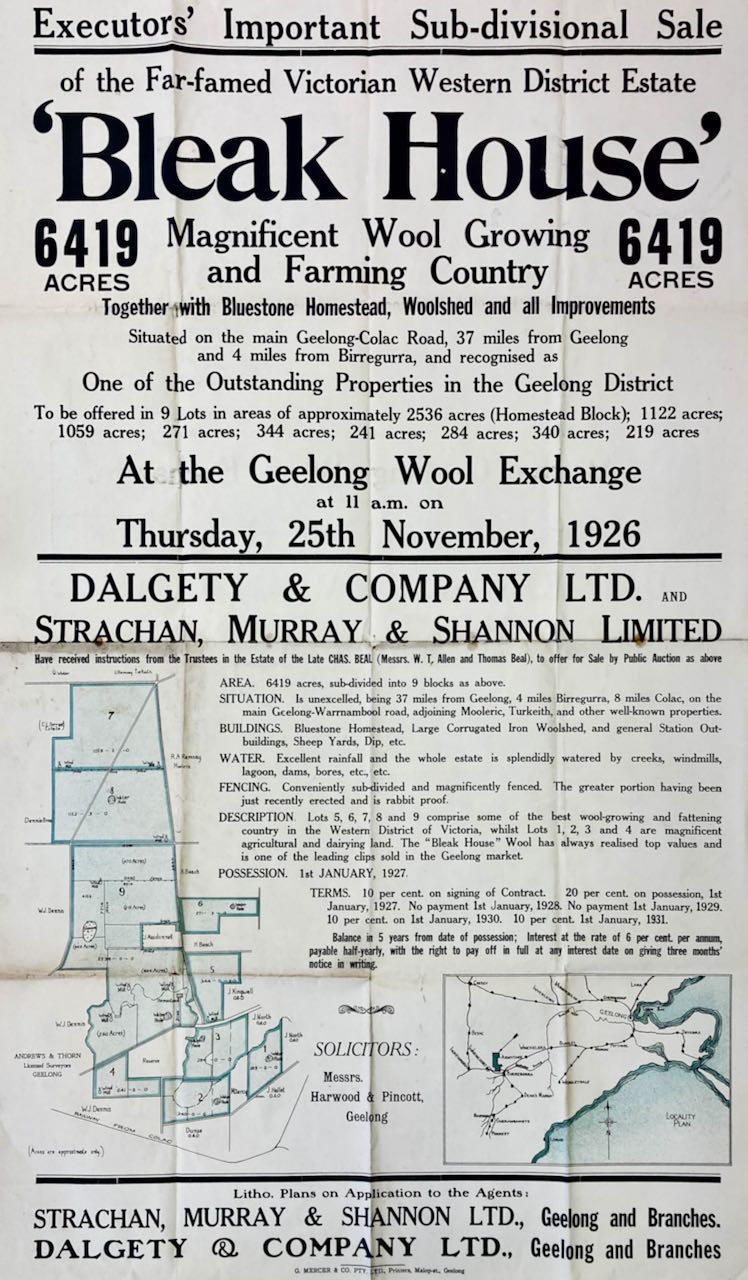
In 1881, after leasing the Mt. Gellibrand station, Beal and his family took up residence in Lorne. The family’s ‘superb marine retreat’ was known as Varna. The following year, 1882, Beal was nominated a Commissioner of the Lorne Waterworks Trust and became a major promoter of a good water supply system for the township. He was also a Lorne Cemetery Trustee.
Charles Beal married Amy Murch on 12th May 1855 and had five surviving daughters. He took the family to Europe where Alice met and Captain Harold Kenrick.
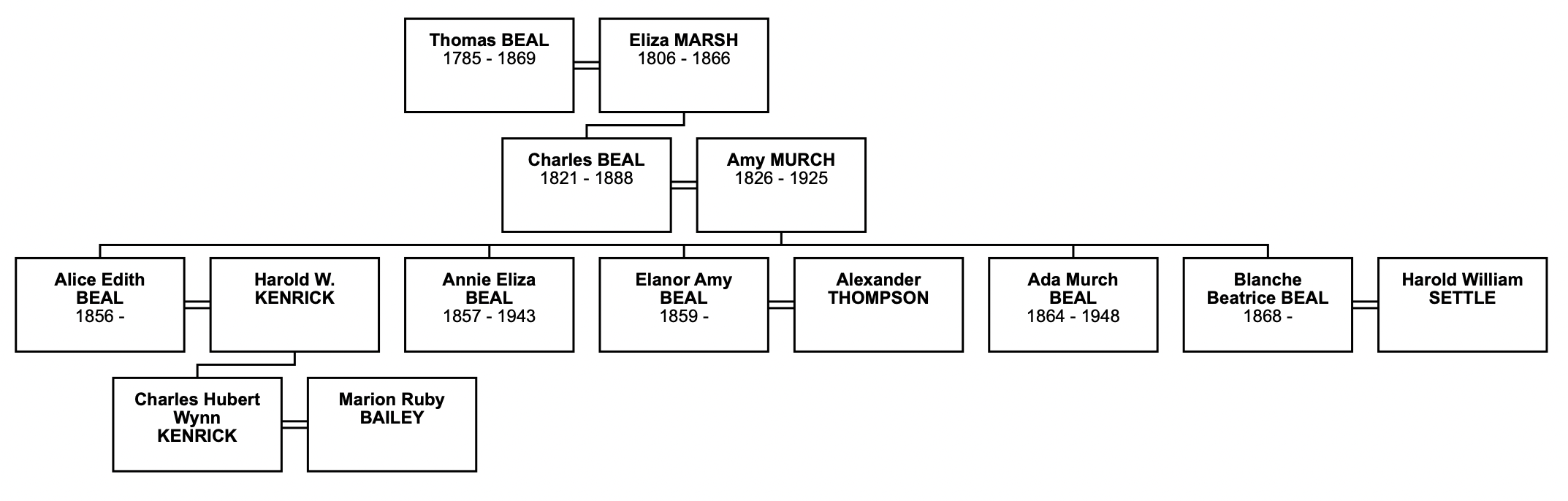
Partial Family Tree
Children of Charles BEAL Amy MURCH
- Alice Edith, 28 Feb 1856
- Annie Eliza, 19 May 1857
- Charles Trebeck Beal, 10 June 1858- 19 June 1858
- Elanor Amy “Nell” Beal, 14 Dec 1859
- Charles Beal, 11 Feb 1861-13 Feb 1862
- Girl, 10 April 1863 – 10 April 1863
- Ada Murch Beal 16 April 1864, Winchelsea
- Boy, 26 Sept 1866-26 Sept 1866
- Blanche Beatrice Beal, 19 Jan 1868, Birregurra
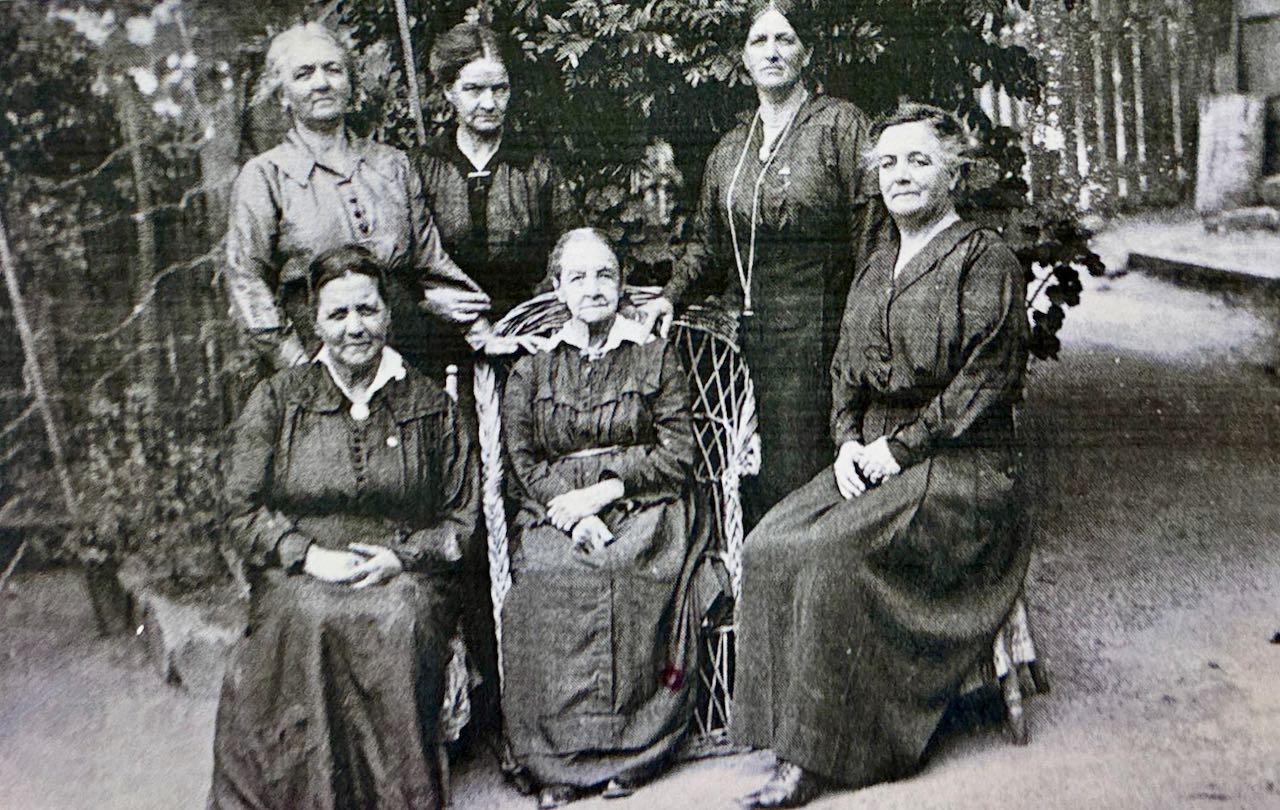
(Back L-R) Ada Beal, Elanor “Nell” Thompson (nee Beal), Bee Settle (nee Beal), (Front L-R) Alice Kenrick (nee Beal), Amy Murch Beal, Annie Beal
Mrs Beal gave great support to the Lorne township community as a prominent member of a Women’s Committee formed in 1884, which was instrumental in the opening of a Lorne Free Library in December 1885. It was said that, ‘The book shelves are well-filled with first class literature; the vapid, frothy, and demoralising dreadfuls, being conspicuous by their absence.’
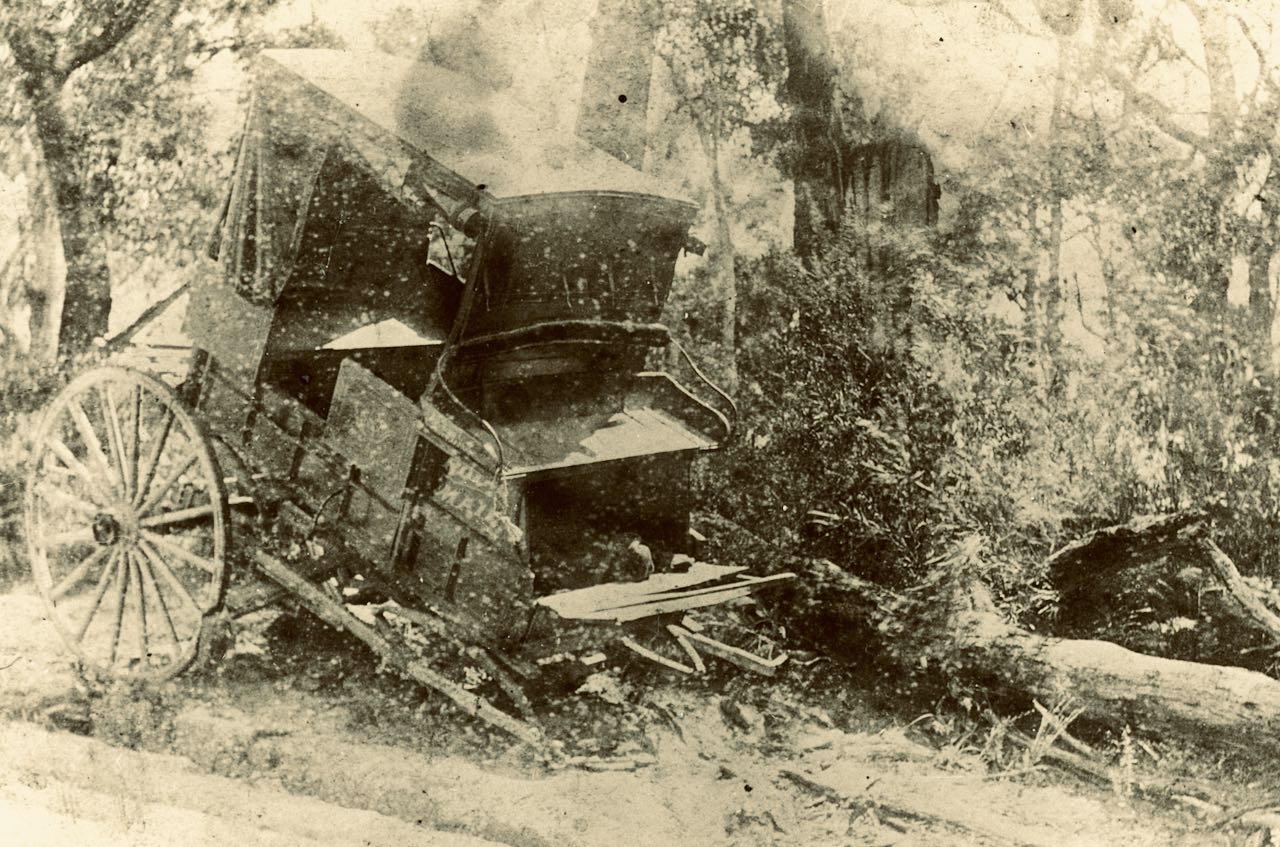
Charles Beal died in January 1888 as the result of a tragic accident on the Mountjoy Bros. coach service between Birregurra and Lorne, while he was returning from a Water Trust meeting at Winchelsea. After a brake failure, Beal, who was a passenger on the box seat, ‘was violently thrown on to the ground and killed almost instantly’. At a subsequent inquest held in the Lorne Hotel, a letter was read from his widow exonerating ‘young Mountjoy’, who was driving the coach, from all blame. Beal was buried at Lorne and left a widow and five daughters. (Geelong Advertiser 1888)
-
- Jan 1888, Coach wreck in which Chalrles Beal was killed. (LHS photo 9151)
-
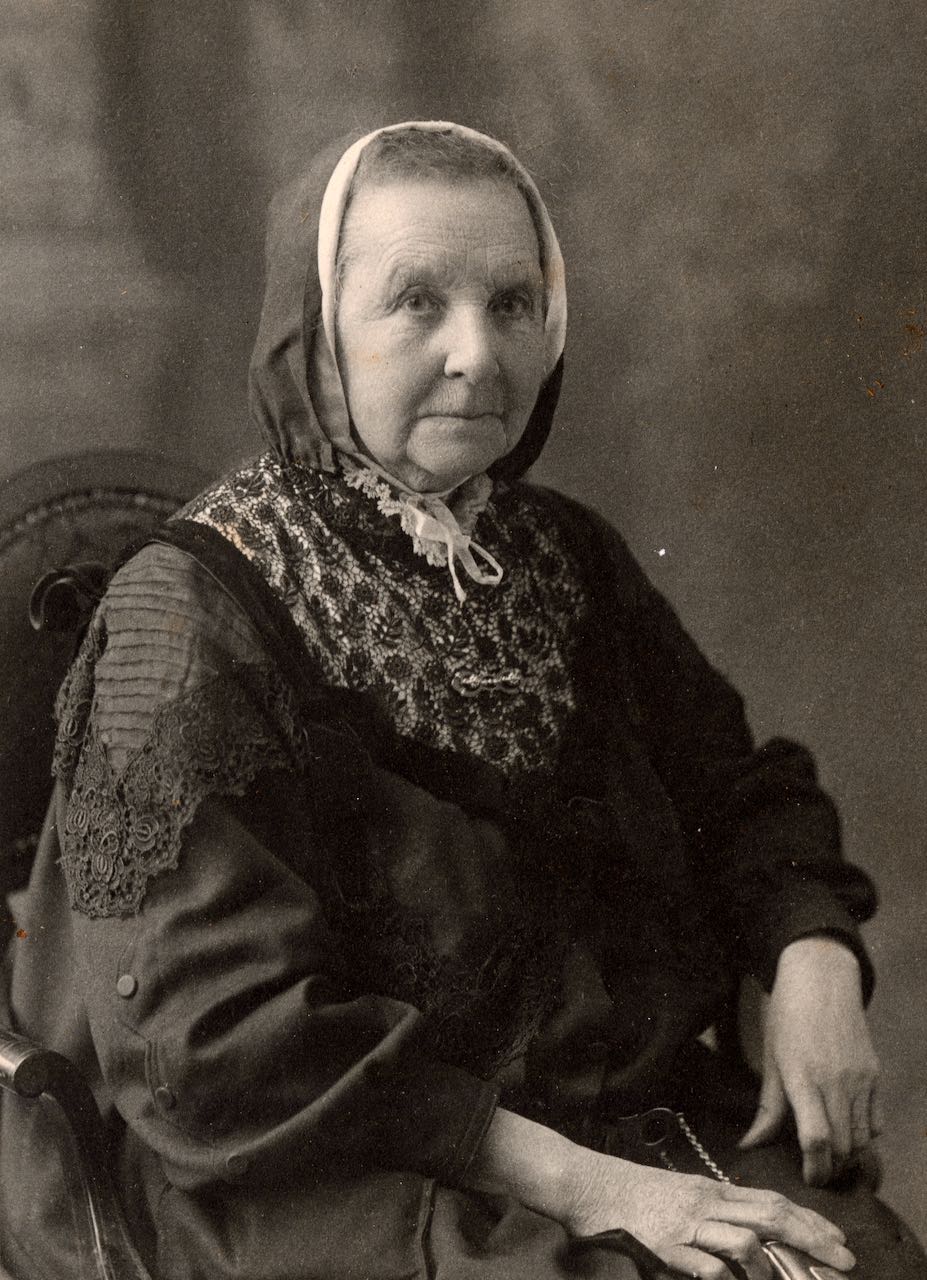
- Mrs Amy BEAL (nee MURCH). (LHS photo B200)
-
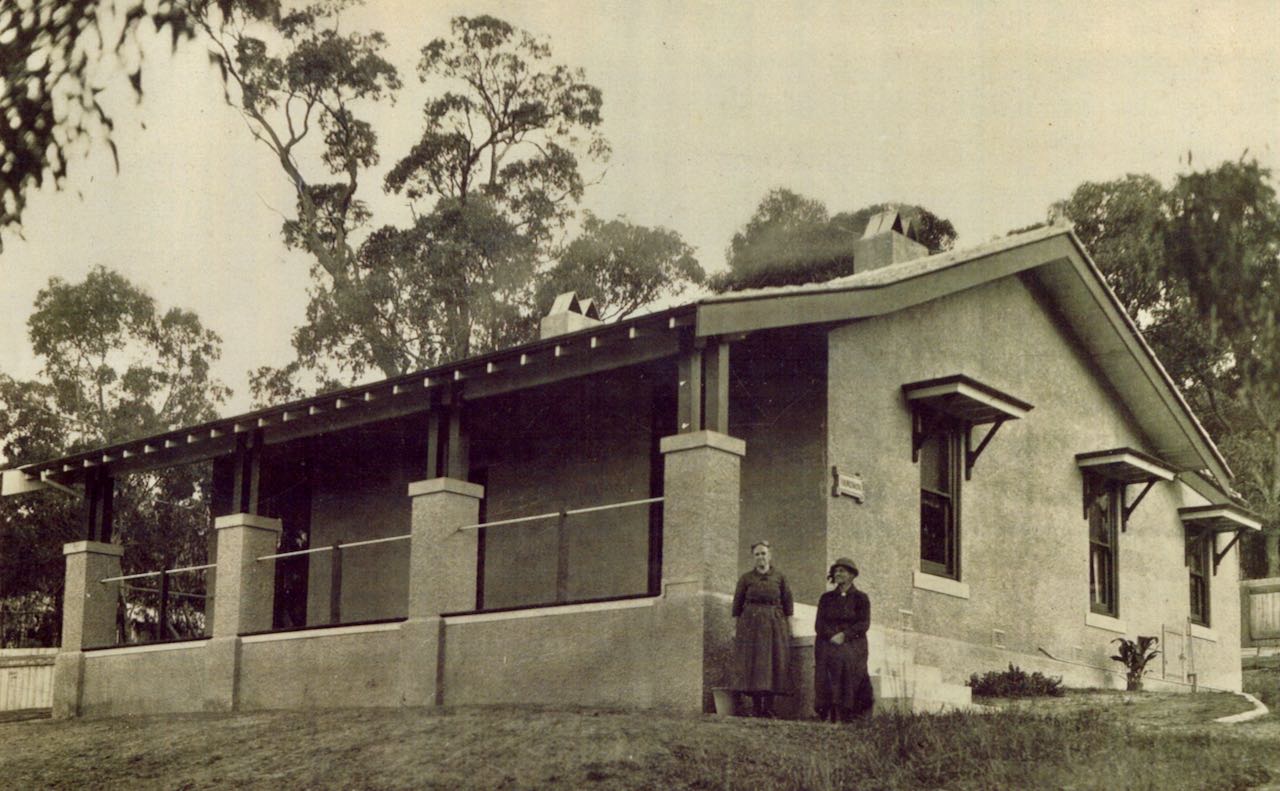
- Annie BEAL and Kitty MOODY, Moorhouse Street. (LHS photo)
Alice Beal
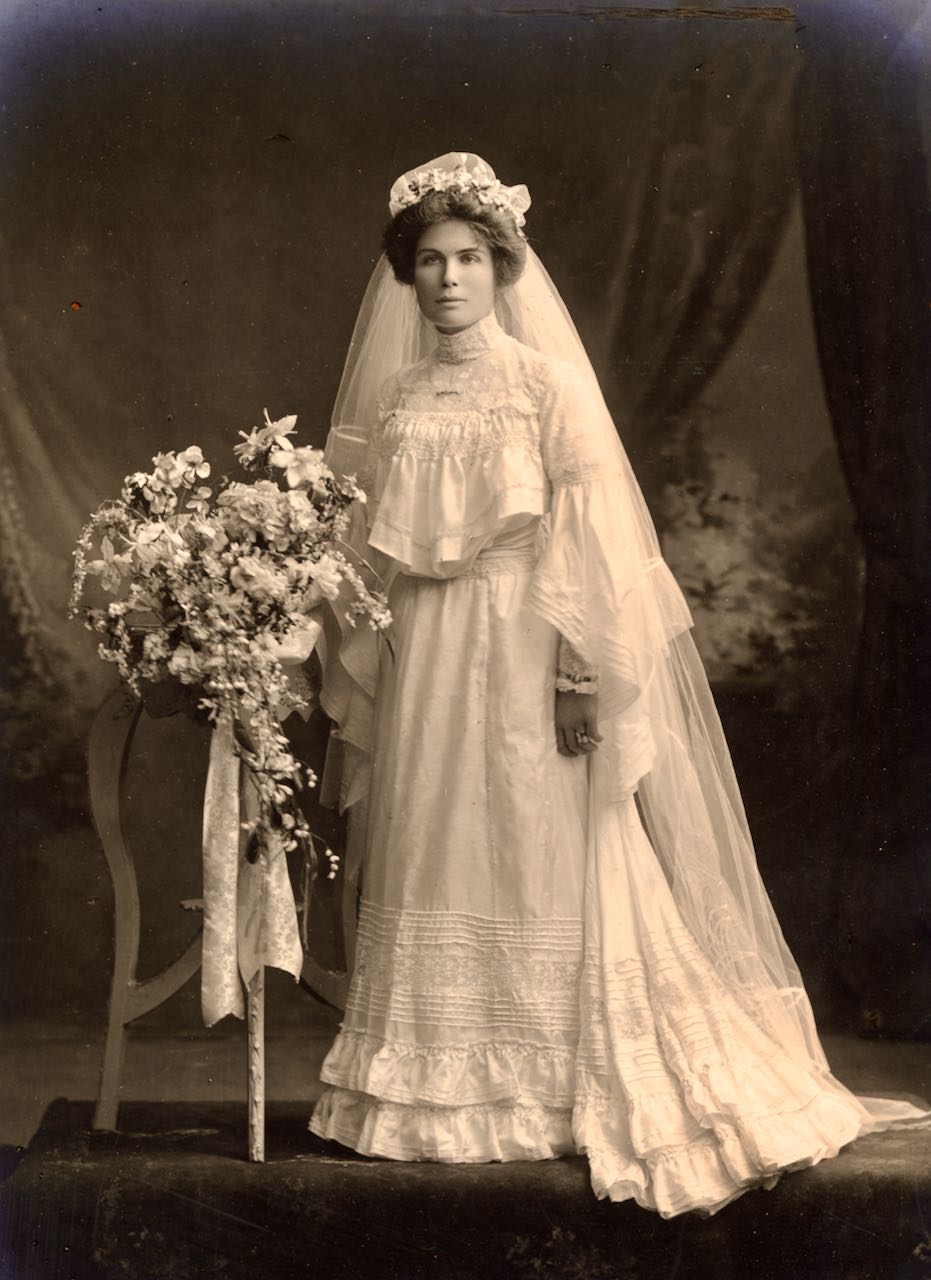
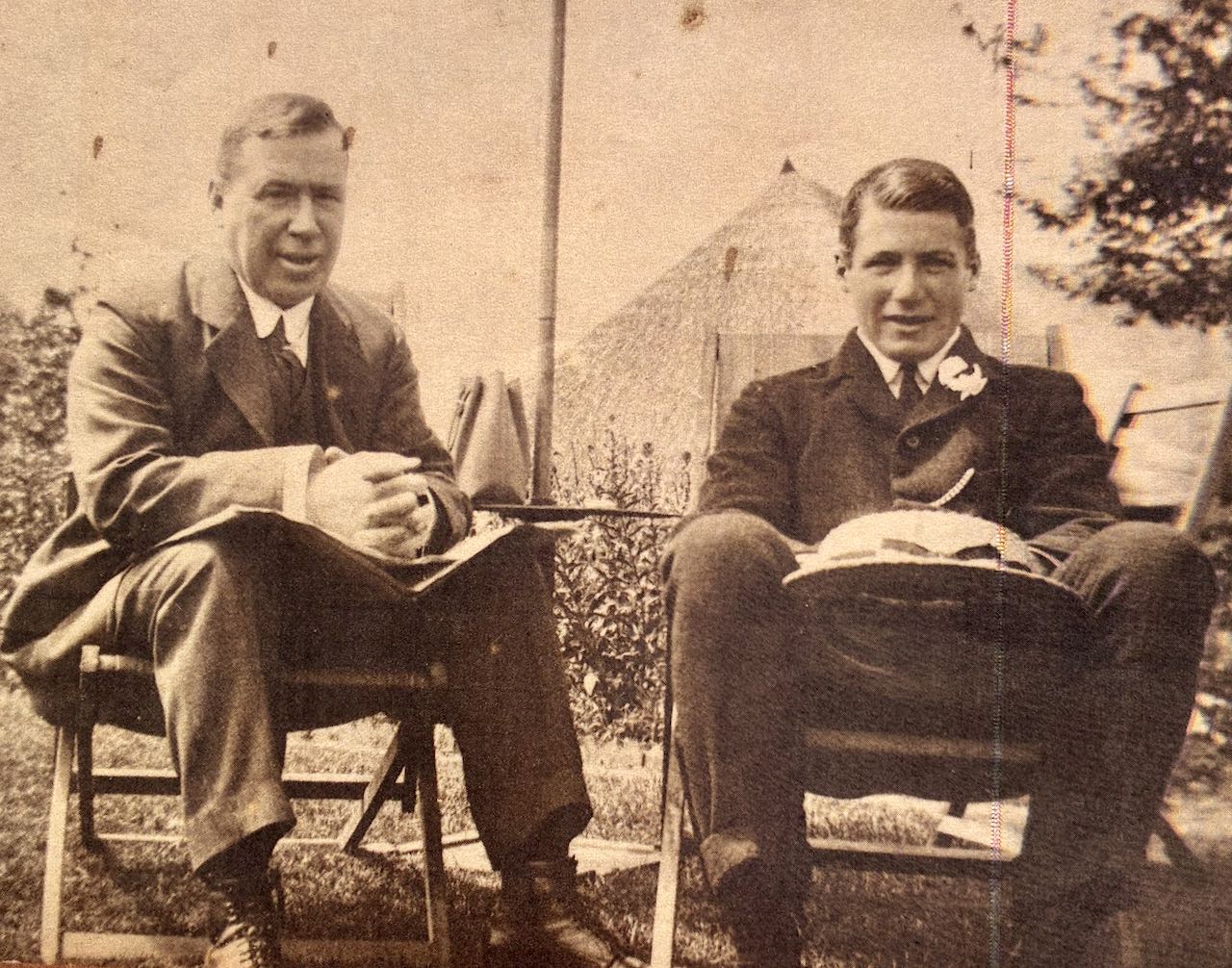
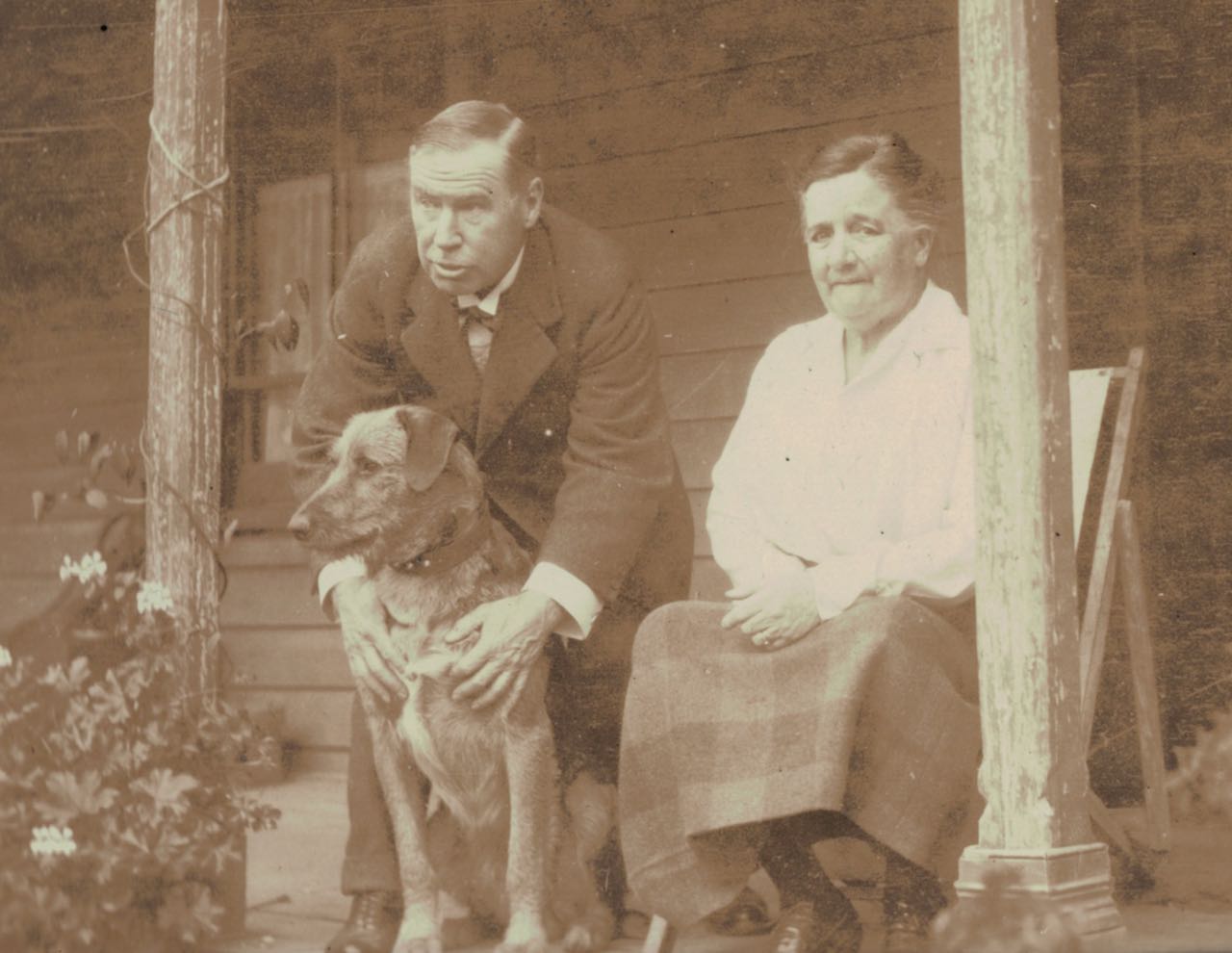
Alice Edith Beal was born on 28 Feb 1856, eldest daughter of Charles and Amy Beal, married Harold Kenrick, a sea captain, in about 1880. Part of the Varna property was acquired by the Kenrick’s and a house built on it, named Marthoon (210/212 Mountjoy Parade), which was later sold and was later known as Bali-Hai. It was reported that the name “Marathon” was given to the Beal’s youngest child by the Aborigines, meaning the “littlest one”
-
- Alice KENDRICK (nee BEAL). (LHS photo 212)
-
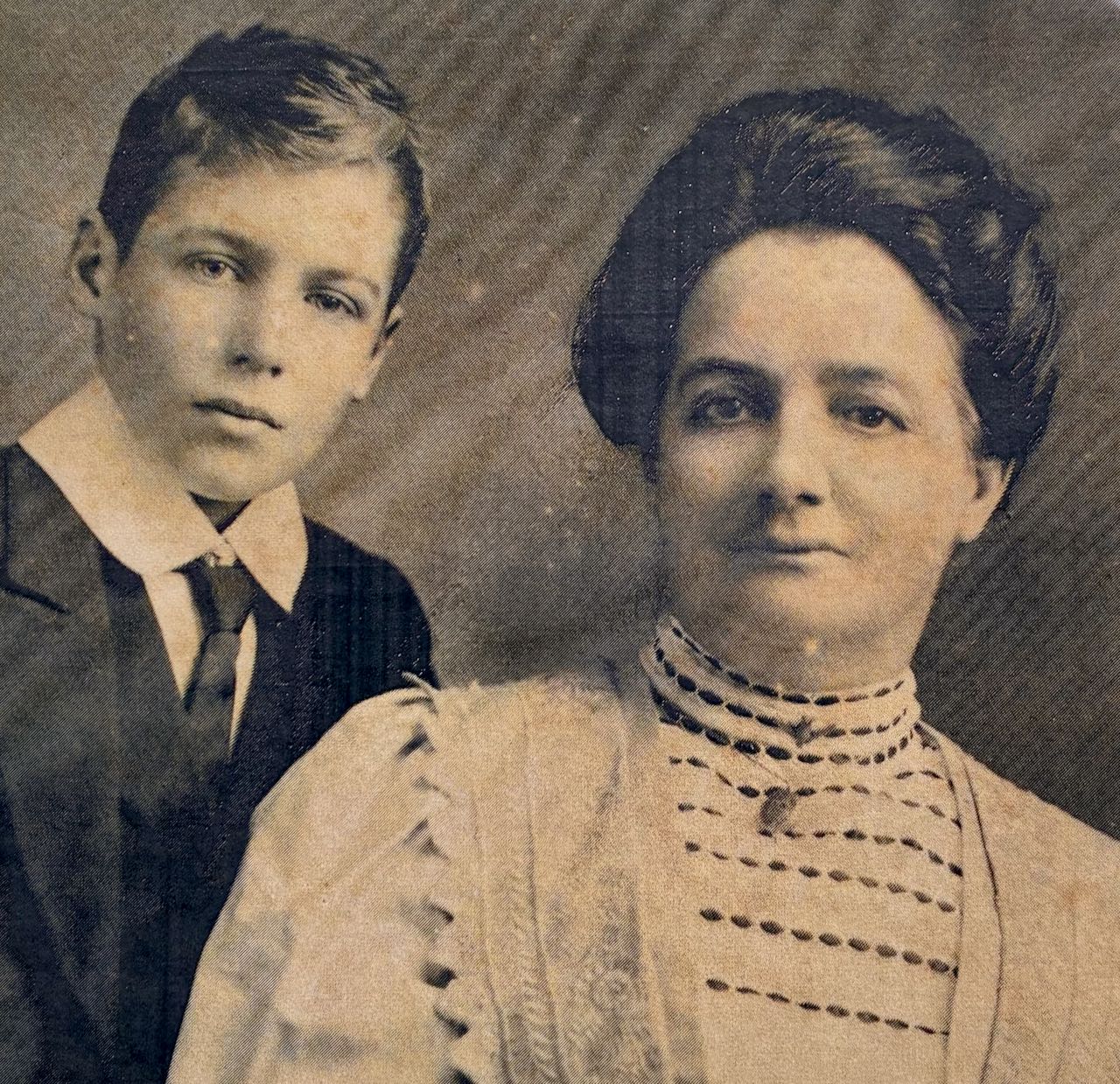
- Charles Hubert Wynn KENRICK, Alice KENRICK (nee BEAL)
-
- Harold KENRICK, Charles KENRICK
-
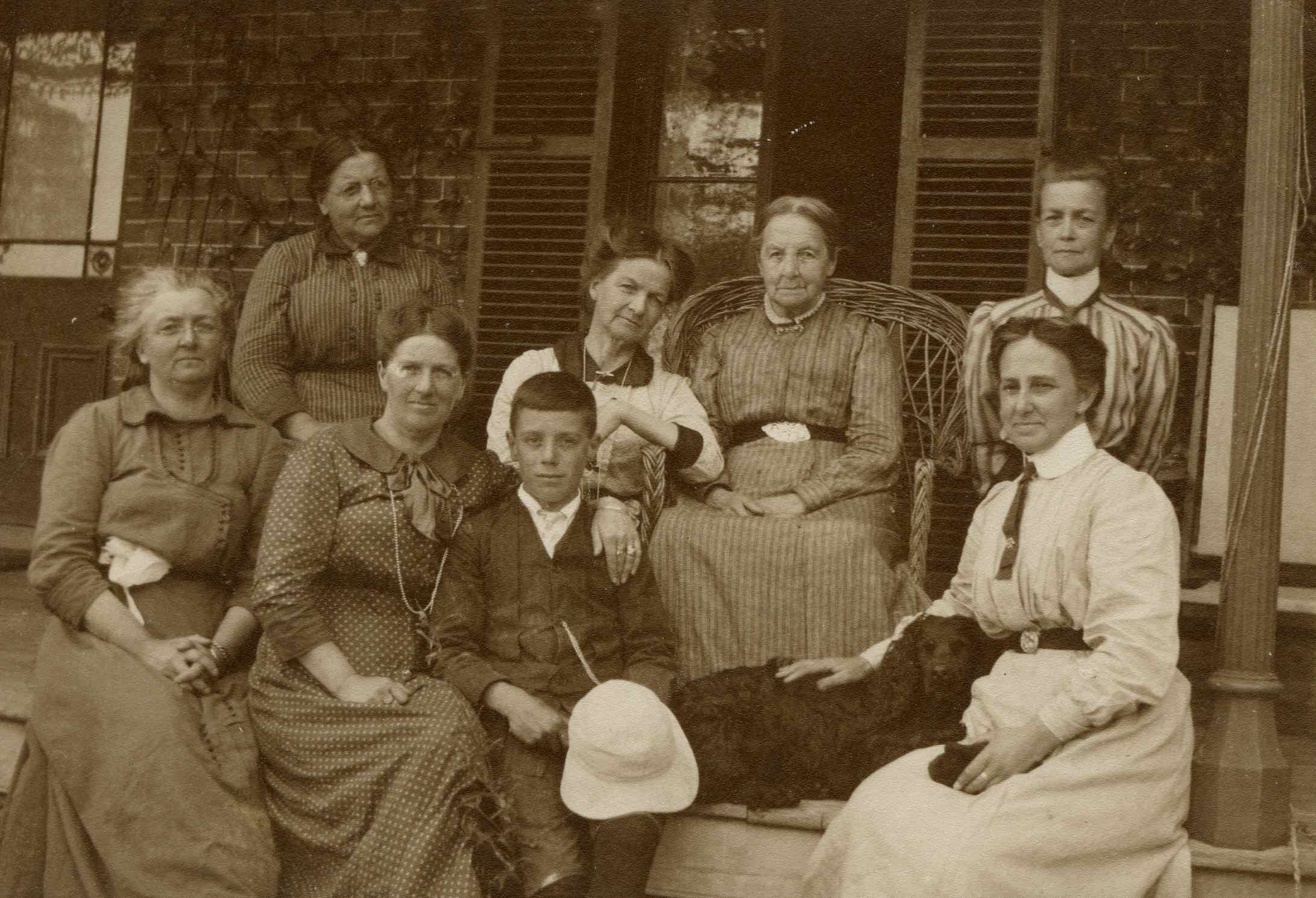
- Captain H.W. Kenrick, Alice Kenrick (nee BEAL) & Rhoo the dog. Back of Bleak House, Birregurra.
Eleanor Beal
Eleanor Amy “Nell” Beal was born on 14 Dec 1859. She married Mr Thompson.
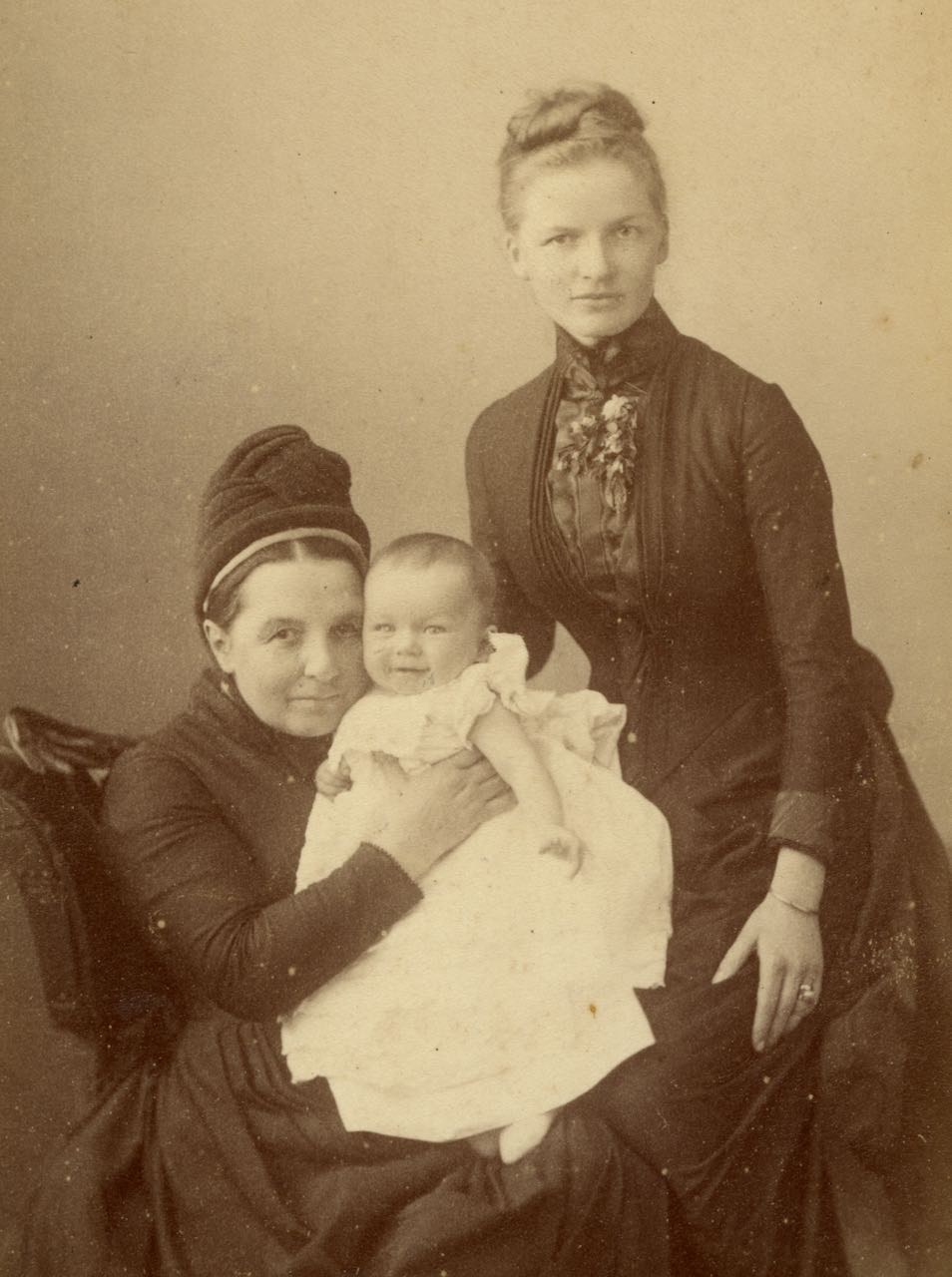
Grandmother THOMPSON with Mrs Eleanor “Nell” THOMPSON (nee BEAL). (LHS photo B198)
Charles Beal had five daughters, two of which, Ada and Annie never married, lived at Varna during their mother’s lifetime. One daughter (Alice Edith) married Captain Kenrick.
-
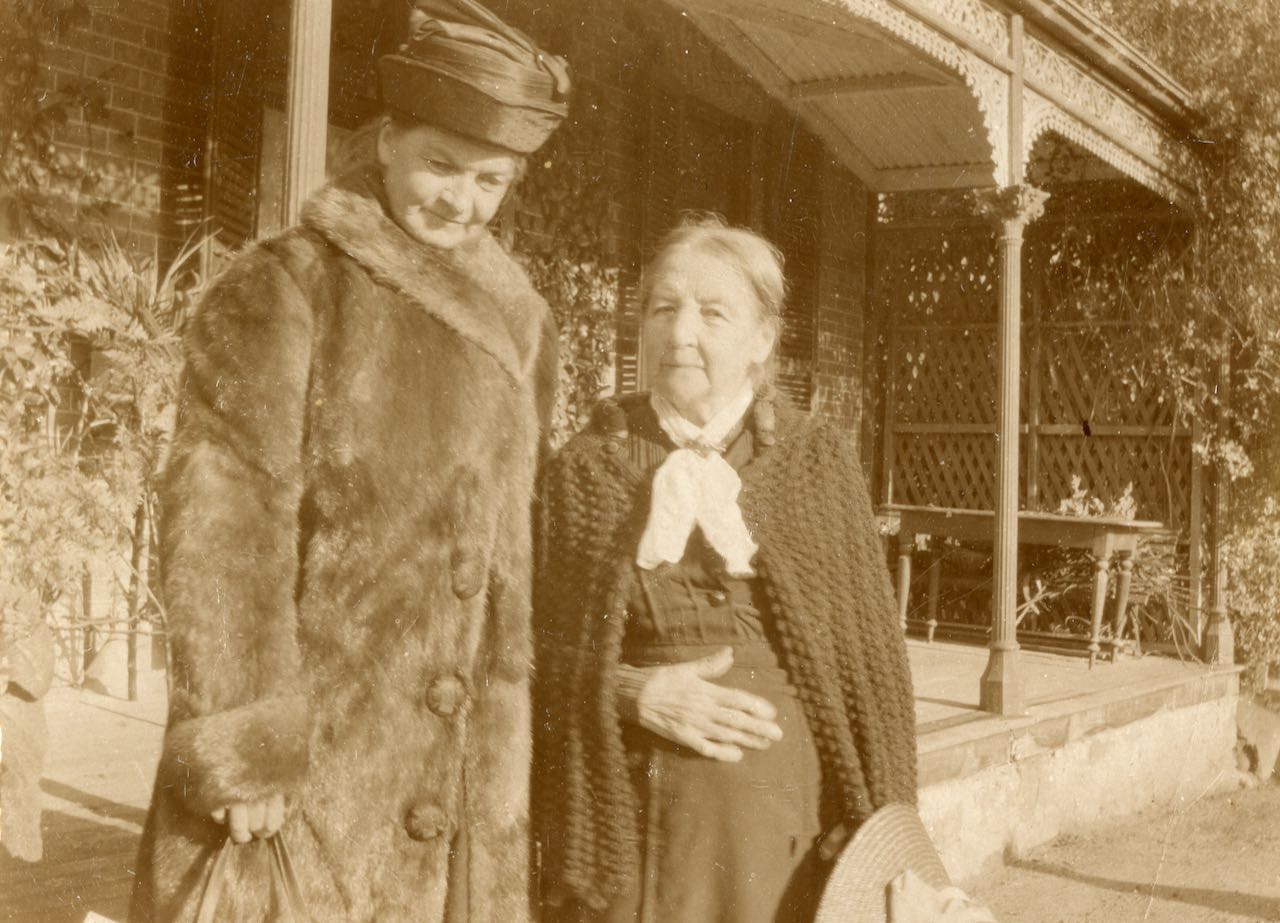
- Ada Beal with her mother Mrs Amy Beal. (LHS photo B196)
-
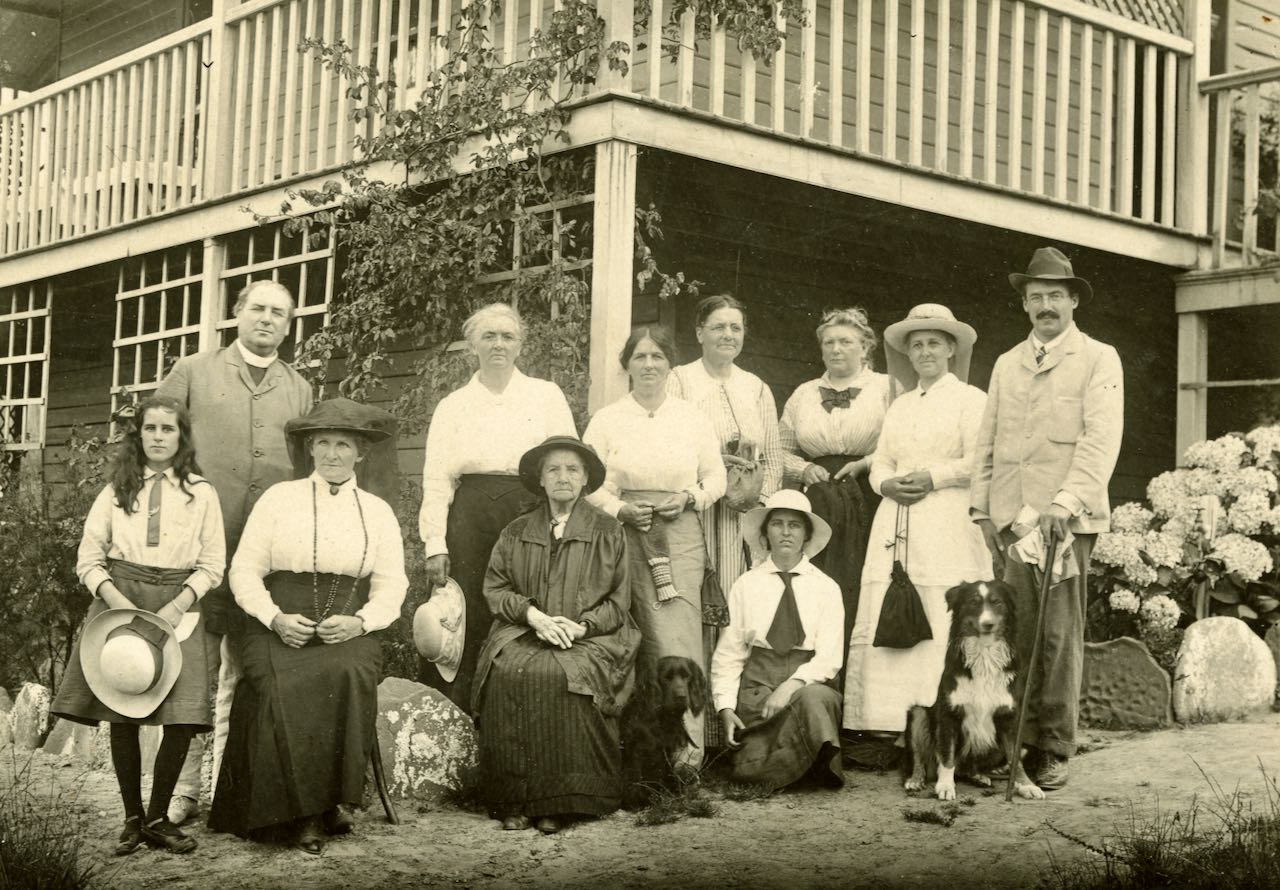
- Beal family and Mrs Roadnight. (LHS photo B206)
-
- Banuke, Beal Street, McIntyre (LHS photo B227)
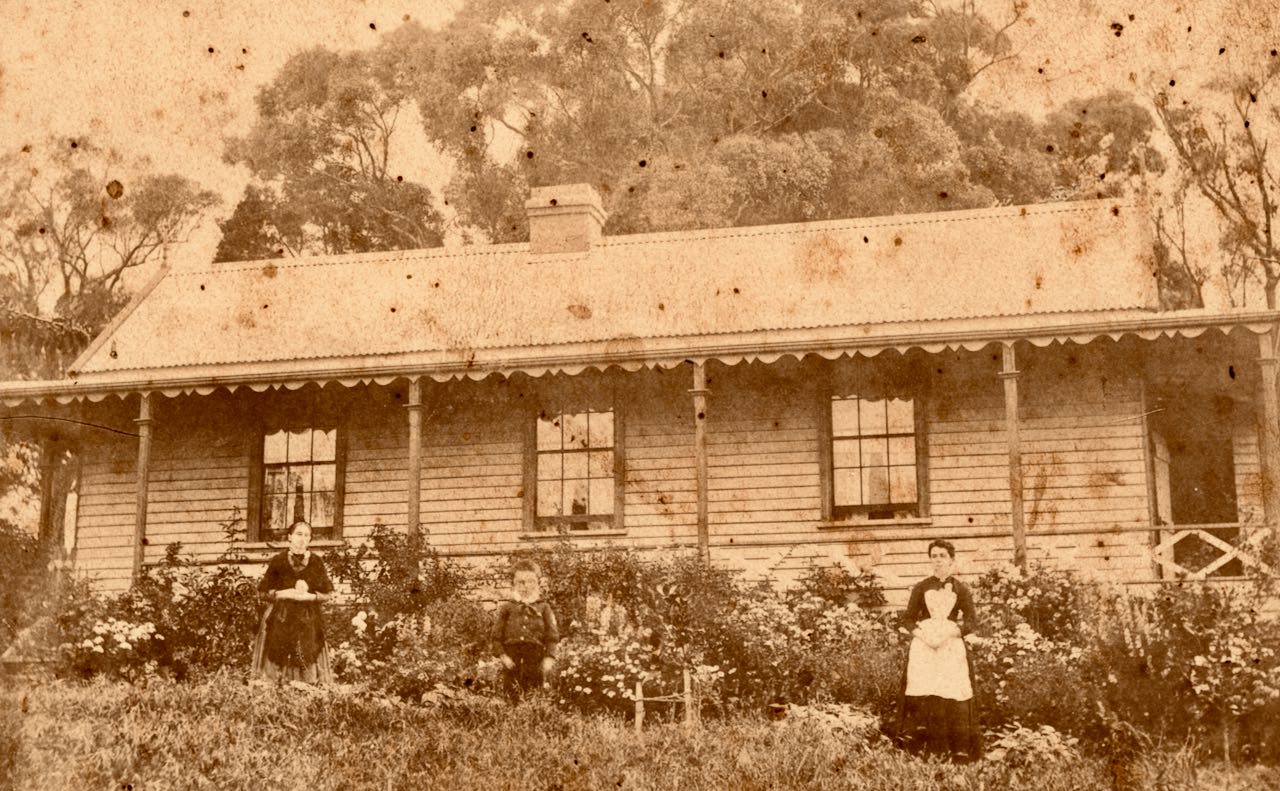
Mrs Beal was reported to be a very kind old lady and on school picnic occasions she would invite all girl school children up to Varna and show them all through the house. It was the first house to have electricity privately installed, driven by an oil engine and dynamo. After Mrs Beal died the daughters Ada and Annie built separate homes for themselves.
Ada Murch Beal
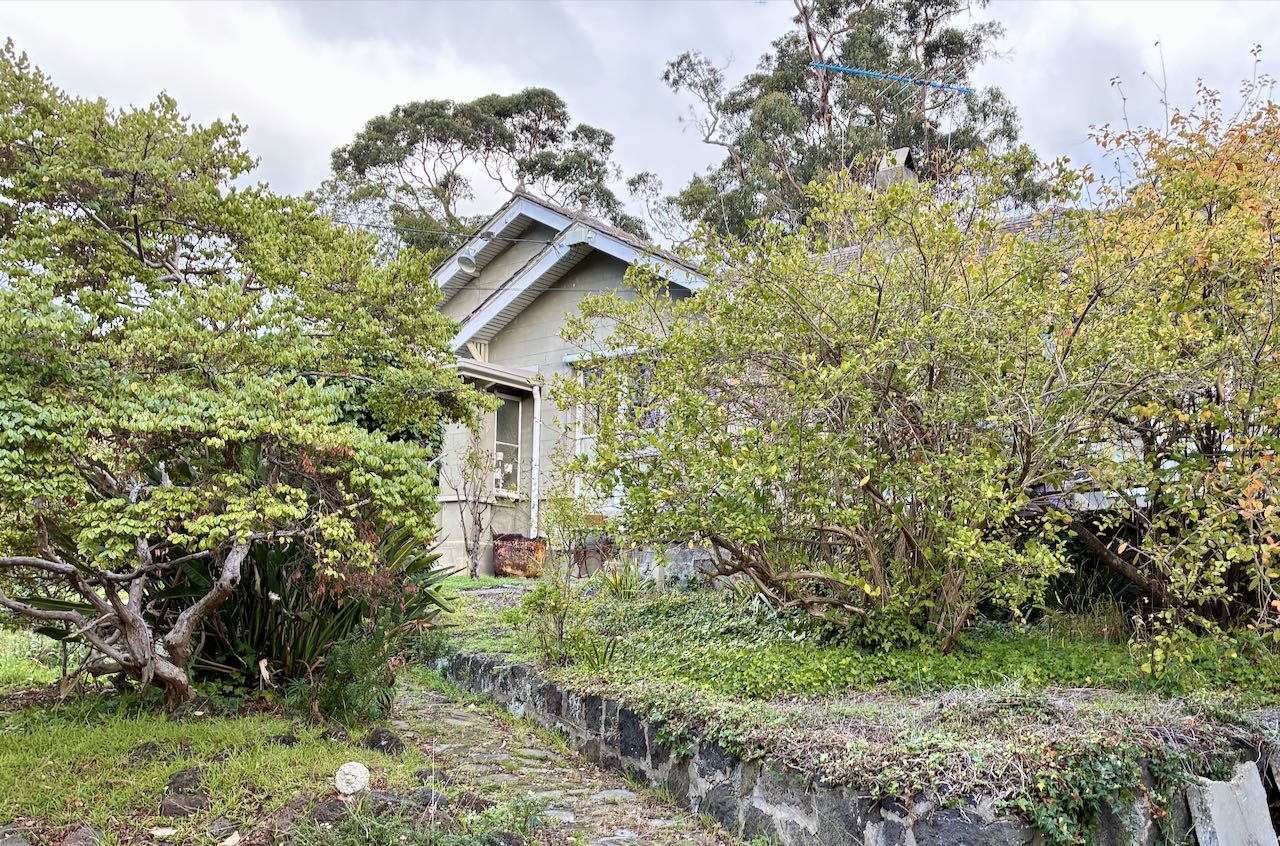
Ada Beal was born 16 April 1864 and after caring for her mother at Varna, Ada built a house, Llandro (100 Smith Street). Ada as an elderly crippled lady, hired a taxi to take herself, a nurse and a companion to Central Australia. They bought opals, one of which became a family ring.
-
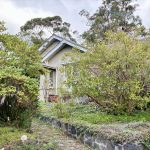
- 2026, 100 Smith Street Lorne, formerly Llandro.
Blanche Beatrice Beal
Blanche Beatrice Beal was born on 19 Jan 1868 and married Harold Settle.
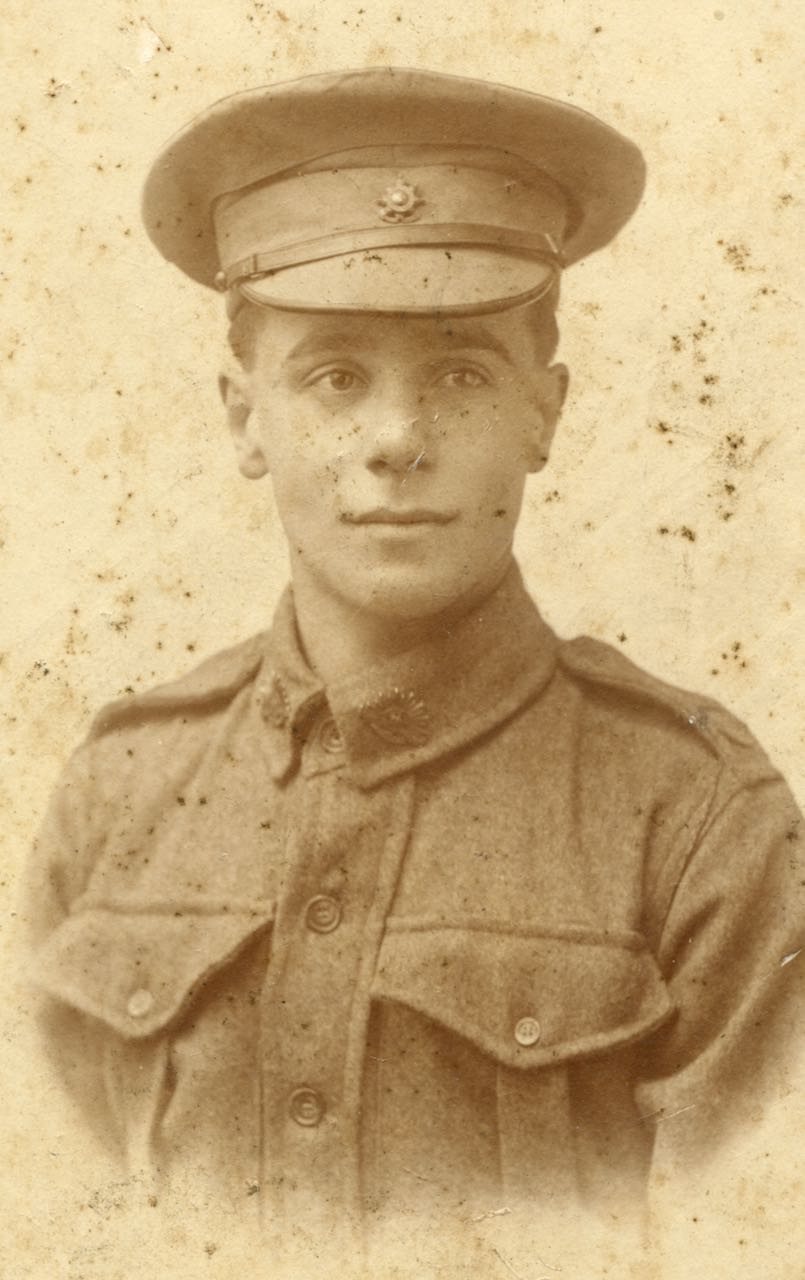
Harold Settle, married Beatrice Beal. (LHS photo B192)
-
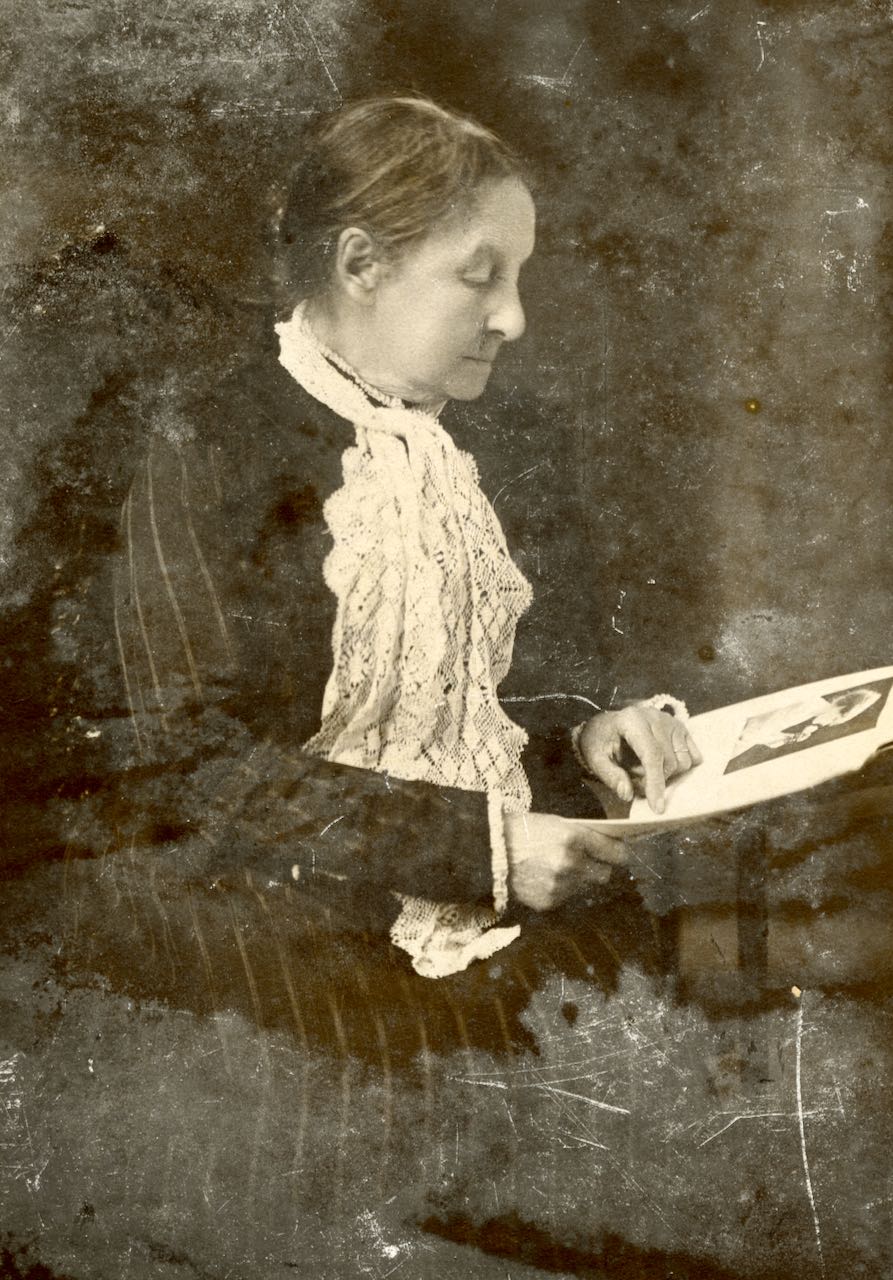
- 1914, Mrs Amy Beal (LHS photo B195)
-
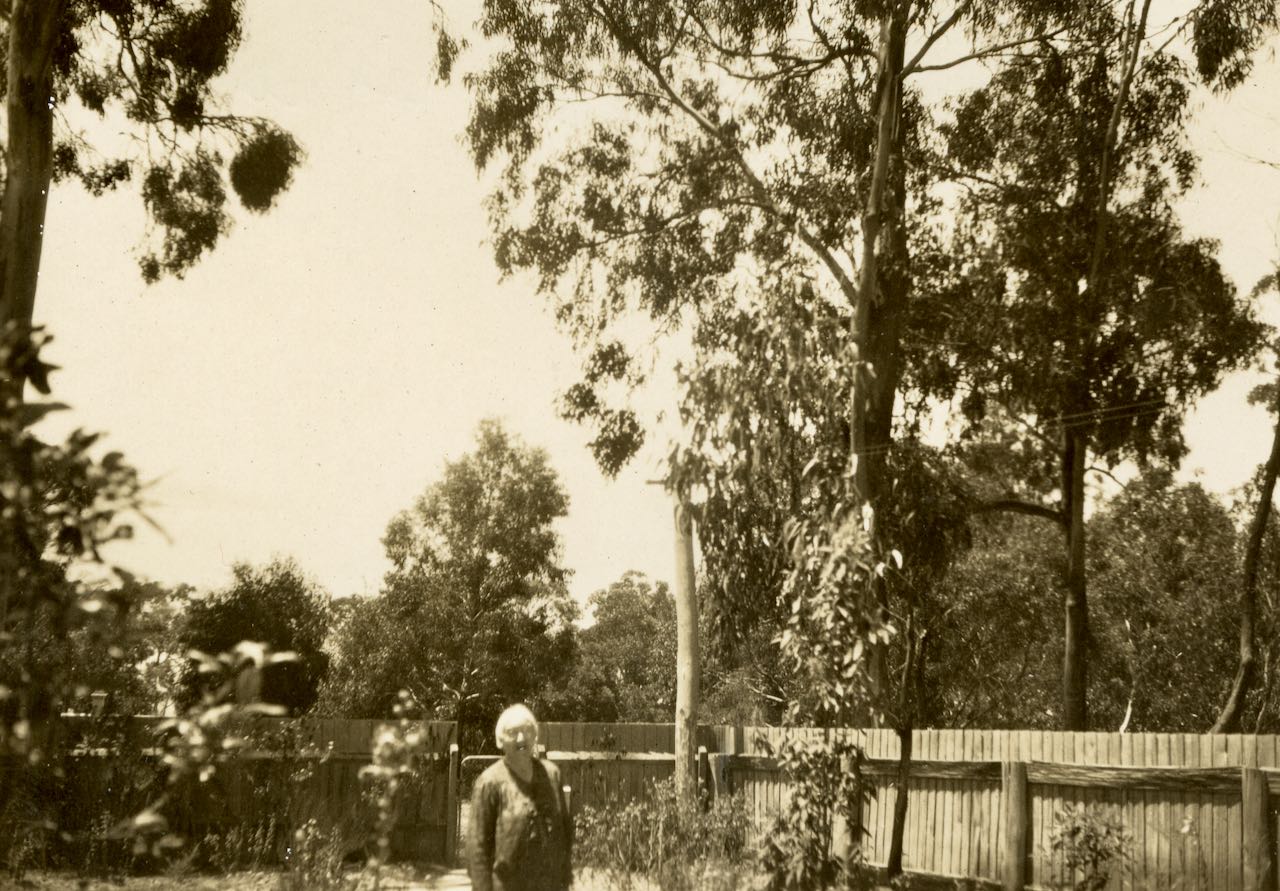
- Ada Beal at Mandoo. (LHS photo B256)
-
- Banuke, Beal Street, McIntyre (LHS photo B227)
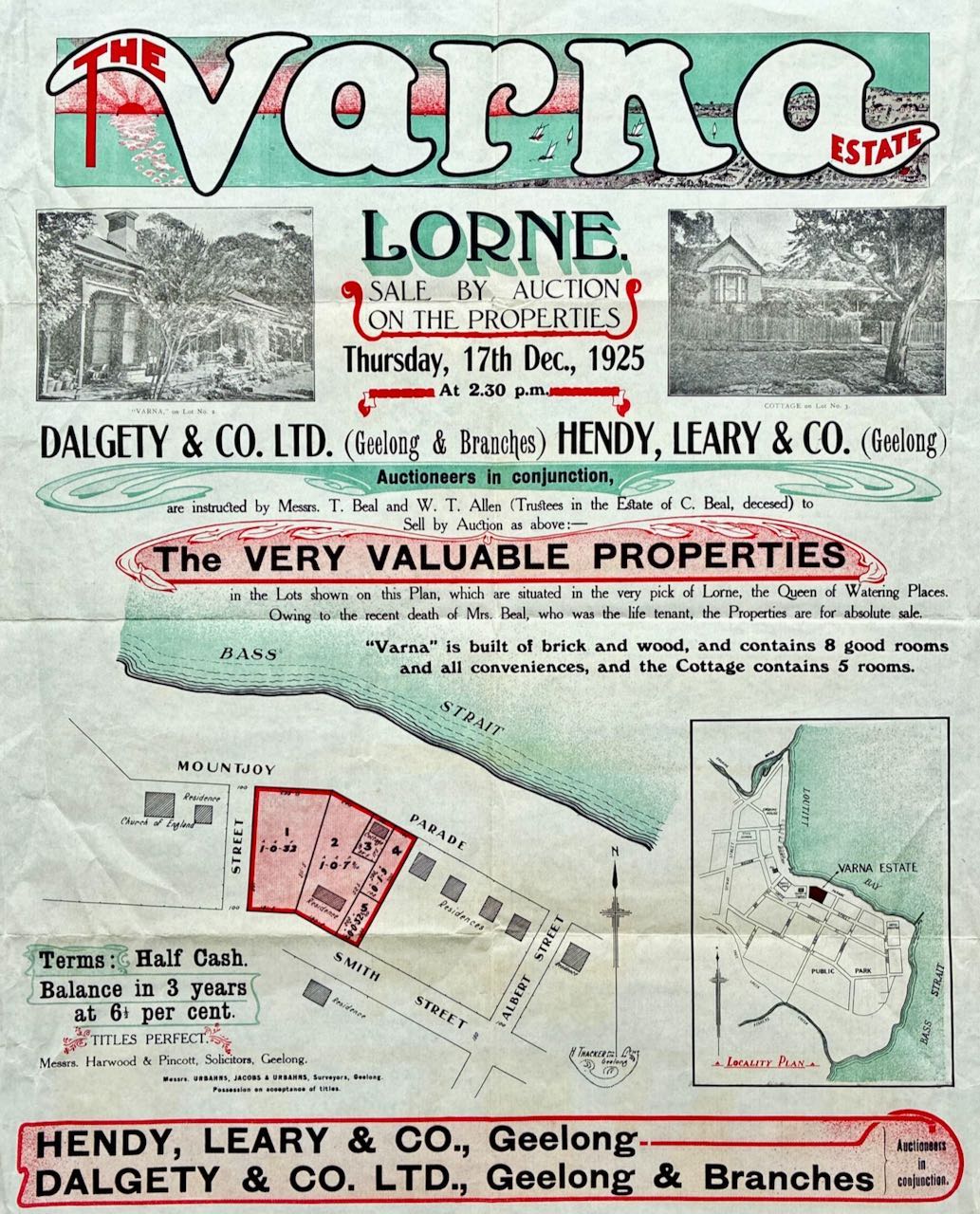
A Mr H Hunt and family were installed as caretakers for a few months, then later a Mr Arthur Warner took over as caretaker. Mr Beaurepaire then bought Varna and leased it to the Police Department as a Police Station. Constable Walker and family were stationed there. Later Mrs Mcintyre bought the property and lived there till shortly before her death. The Executors then left it lay idle until it was subdivided and sold.
-
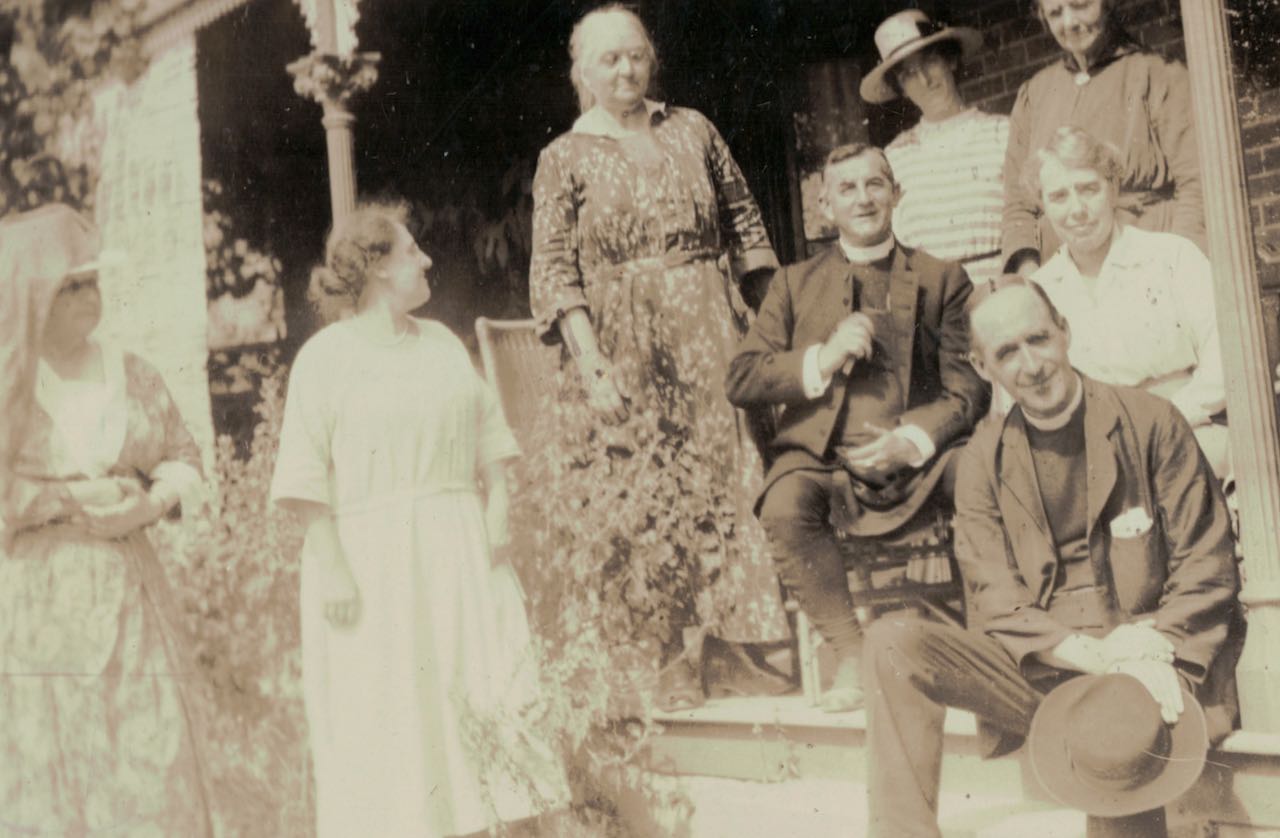
- 1990, Varna. (Rear L-R): Ada BEAL, Mrs E, Nan BEAL. (Middle E-R): Alice , Sister Wilmot, Bishop of Ballarat, Vicar’s wife. (Front L-R) Vicar.
-
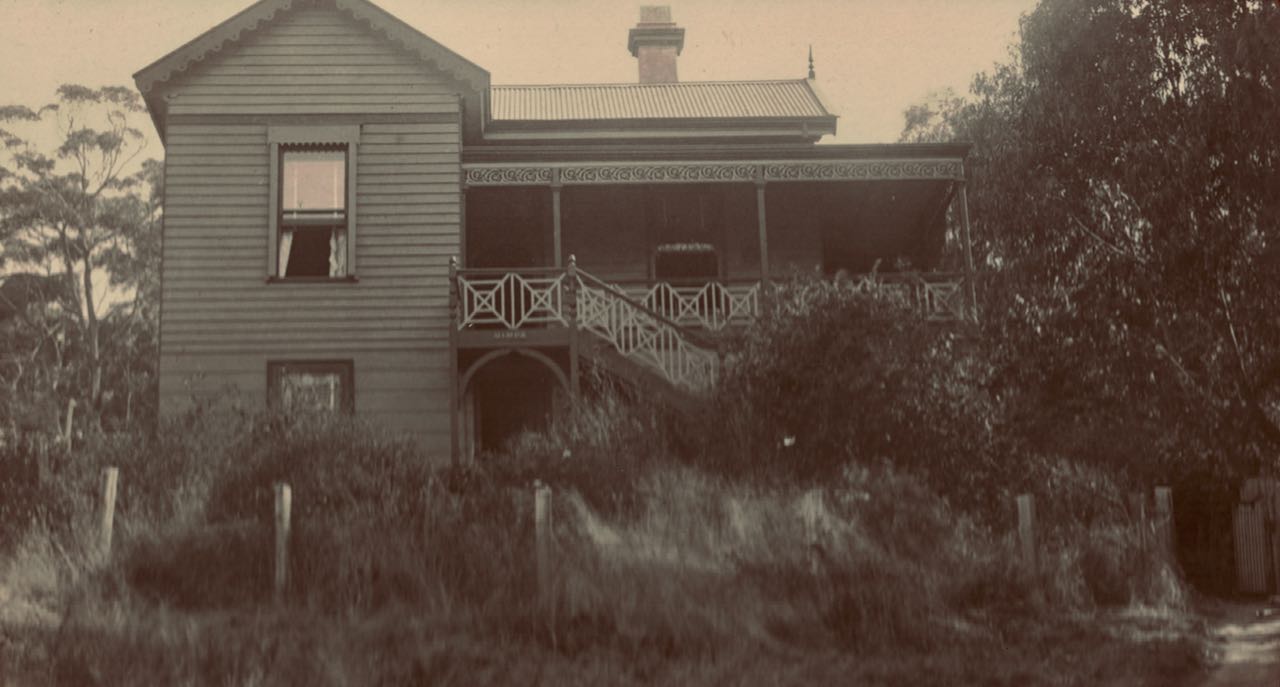
- Uimpa (214 Mountjoy Parade), Mrs Harold William SETTLE (nee BEAL)
-
- Uimpa
The Rules of Matrimony – 1878
While looking through the many documents from the donated Kenrick/Beal Collection, Jan Spring happened to come across a medium sized book which looked like a diary. On closer inspection it was found to be a notebook containing records of special occasions, dates of births, deaths and marriages and places visited. The booklet also contained some botanical specimens and a few drawings. The booklet was compiled by one of the five daughters of Charles and Amy Beal, possibly Eleanor or Annie Beal. One of the pages of interest contained thirty-one points for “Rules of Matrimony”. Some maybe a little outdated now, but it was interesting to understand the thoughts of young girls living around 1878.
Rules for Matrimony:
- Those who marry for physical characteristics or external considerations will fail of happiness.
- Marry in your own religion.
- Never both be angry at once
- Never taunt with a past mistake
- Never let a kiss be the prelude of a rebuke.
- Never allow a request to be repeated.
- Let self abnegation be the habit of both.
- A good wife is the greatest earthly being.
- “I forgot” is never an acceptable excuse.
- If you must criticise, do it lovingly.
- Make marriage a matter of moral judgement.
- Marry into a family that you have long known.
- Never make a remark at the expense of the other.
- Never talk at one another, either alone or in company.
- Give the warmest sympathies for each other’s trials.
- If one is angry part your lips only for a kiss.
- Neglect the whole world besides, rather than one another.
- Never speak loud to one another.
- Always leave home with loving words for they maybe the last.
- Marry into different blood and temperament to yourself.
- Never deceive for the heart once misled can never trust wholly again.
- It’s the mother who moulds the character and gives the destiny of the child.
- Never find fault unless it is perfectly certain a fault has been committed.
- Do not herald the sacrifices you make to each other’s tastes, habits and preferences.
- Let all your marital accommodations be spontaneous whole souled and free as air.
- The very felicity is in the mutual cultivation of usefulness.
- Consult one another in all that comes within the experience, observation, or sphere of others.
- A hesitation or glum yielding to the wishes of the other always greats on a loving heart.
- Those who marry for traits of mind and heart will seldom fail of perennial enjoyment.
- Those are the safest who marry from the standpoint of sentiment rather than of feeling, passion or mere love.
- The beautification in heart is a million times more avail, as securing domestic happiness than the beautiful in person.
Source:
- Lorne A living History by Doug Stirling
- Lorne Historical Society collections
- June’s note on Beal Family
- Recollections by Mrs Sophie Alsop c1973
- Selected Lorne / Deans Marsh Heritage Place Assessments, 2003 (amended 2005)
- TROVE search
- Recollections of Cecil Clissold 22-6-69