
Lorne Victoria Australia
Waverley House property has had several owners, and it has been rebuilt and refurbished several times. Early photos of Lorne show Waverley as the only house north of the Erskine River.
Approximate Timeline of ownership:
- 1881 John Elkington recorded in Winchelsea Rate Book
- 1881 – 1908 Waverley bought by S.F. Staughton
- 1908 E.H. Lascelles reported to have bought Waverley, he died in 1917
- c1920 – 1989, Cicely Lascelles, died in 1989
- c1989 – 1994, Hilda Lascelles, died in 1994
- c1995, St John Sutton
- Sprague, reported to have renovated and added central staircase.
- 2023 Spicer family
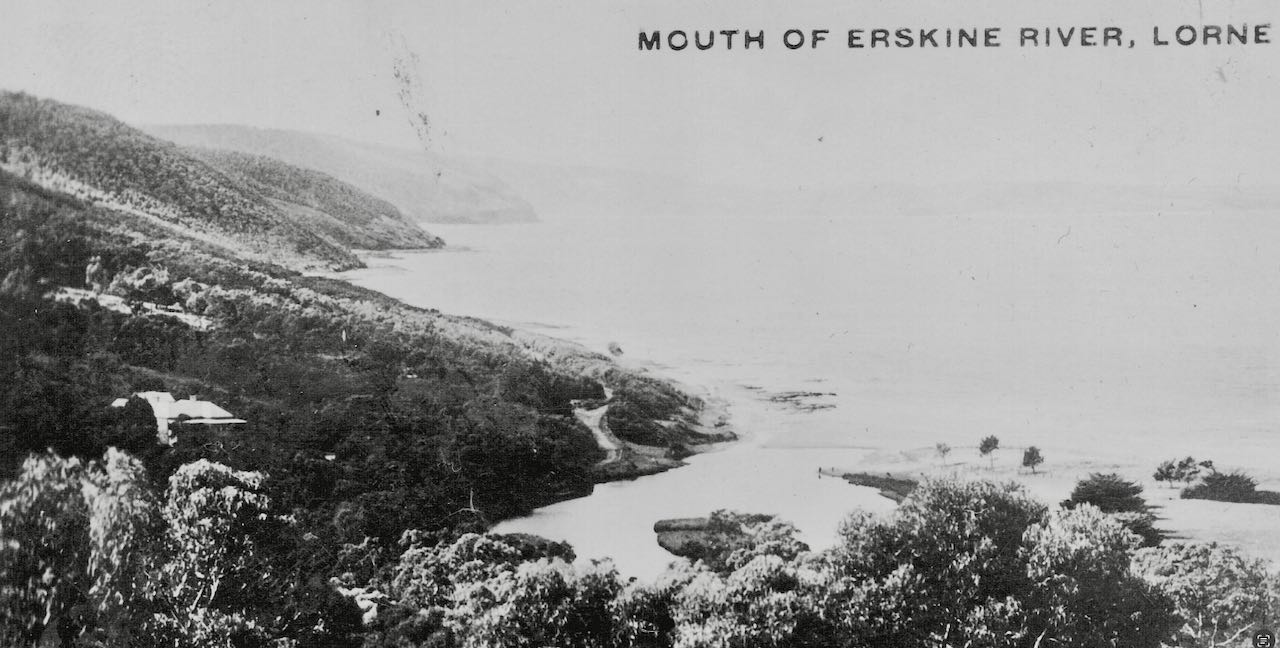
Waverley
It is not clear from the records who actually built it in the first place. The Geelong Advertiser in 1881 reports that S. F. Staughton bought at auction, for £390, a 12 roomed, 2 storey house at Lorne – near Erskine House, which could have been Waverley House. It was later reported that S. F. Staughton’s name was substituted in the Winchelsea Shire rate books for John Elkington’s, relative to property at Lorne. So it could be that John Elkington may have been an early or first property owner. It was then sold to S.F. Staughton in 1881, who later sold it to E. H. Lascelles in 1908.
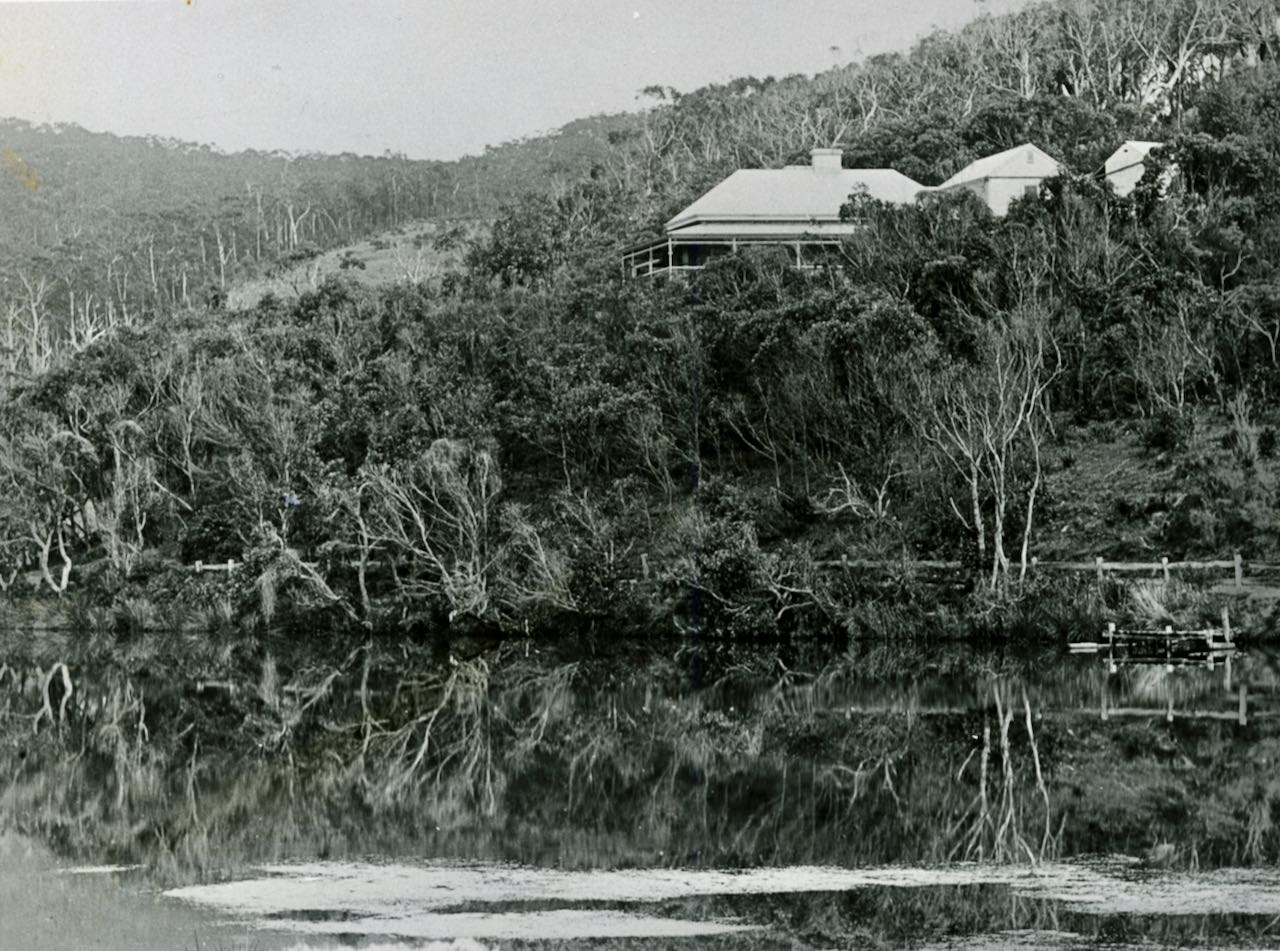
Waverley House (LHS photo B1044)
It was recollected that Mrs Lascelles had a french nurse named Madam Cusane who was probably nurse to Misses Cicely & Hilda Lascelles, she used to come to Kia-Ora guesthouse every Sunday for dinner.
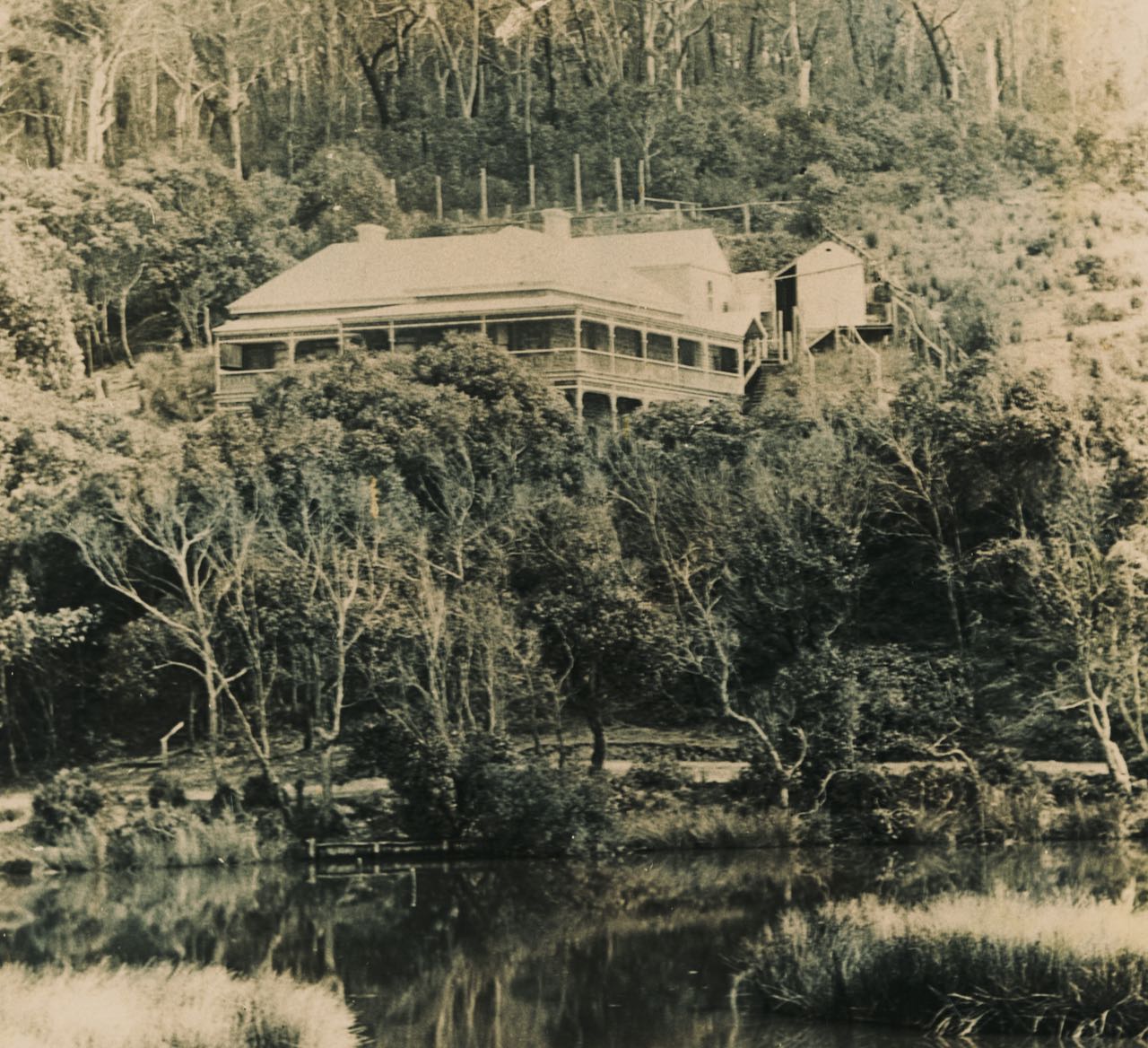
Waverley House with tennis court behind. (LHS photo 5683)
Another recollection was that, Mrs Holliday had one of the first gramophones (Edison) and she used to take it over to Waverley House and play it on the balcony, much to the pleasure of all the locals who used to go down and sit on the river-bank and listen to it being played.
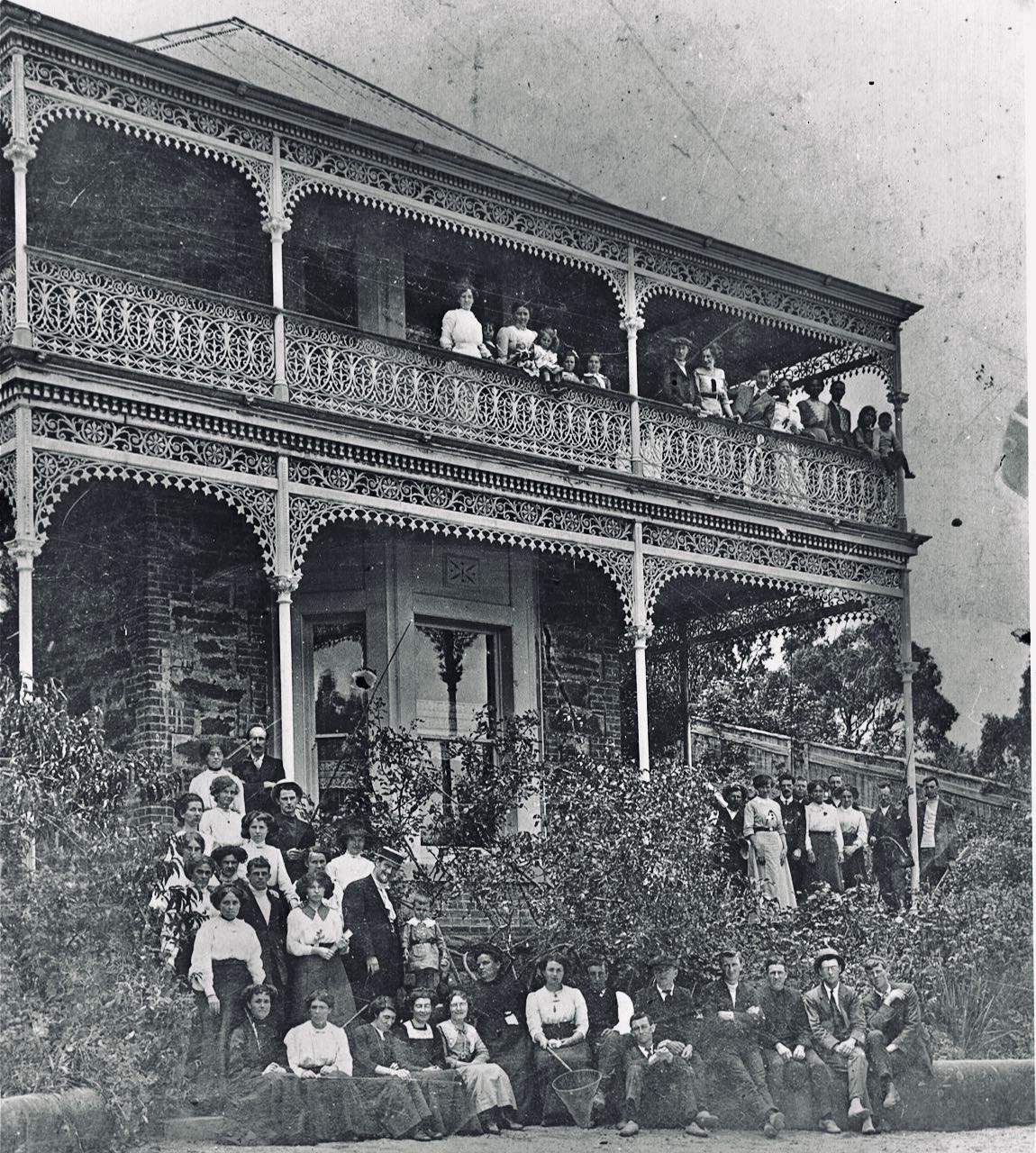
Waverly House
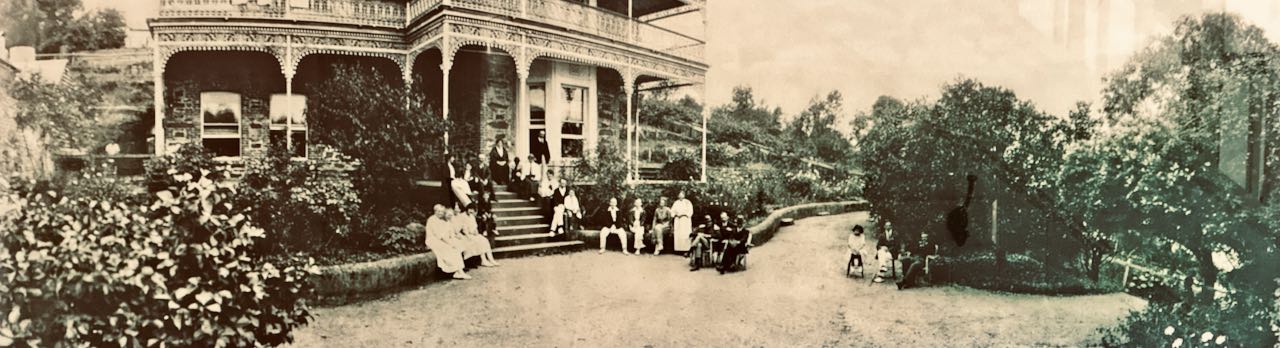
Waverley
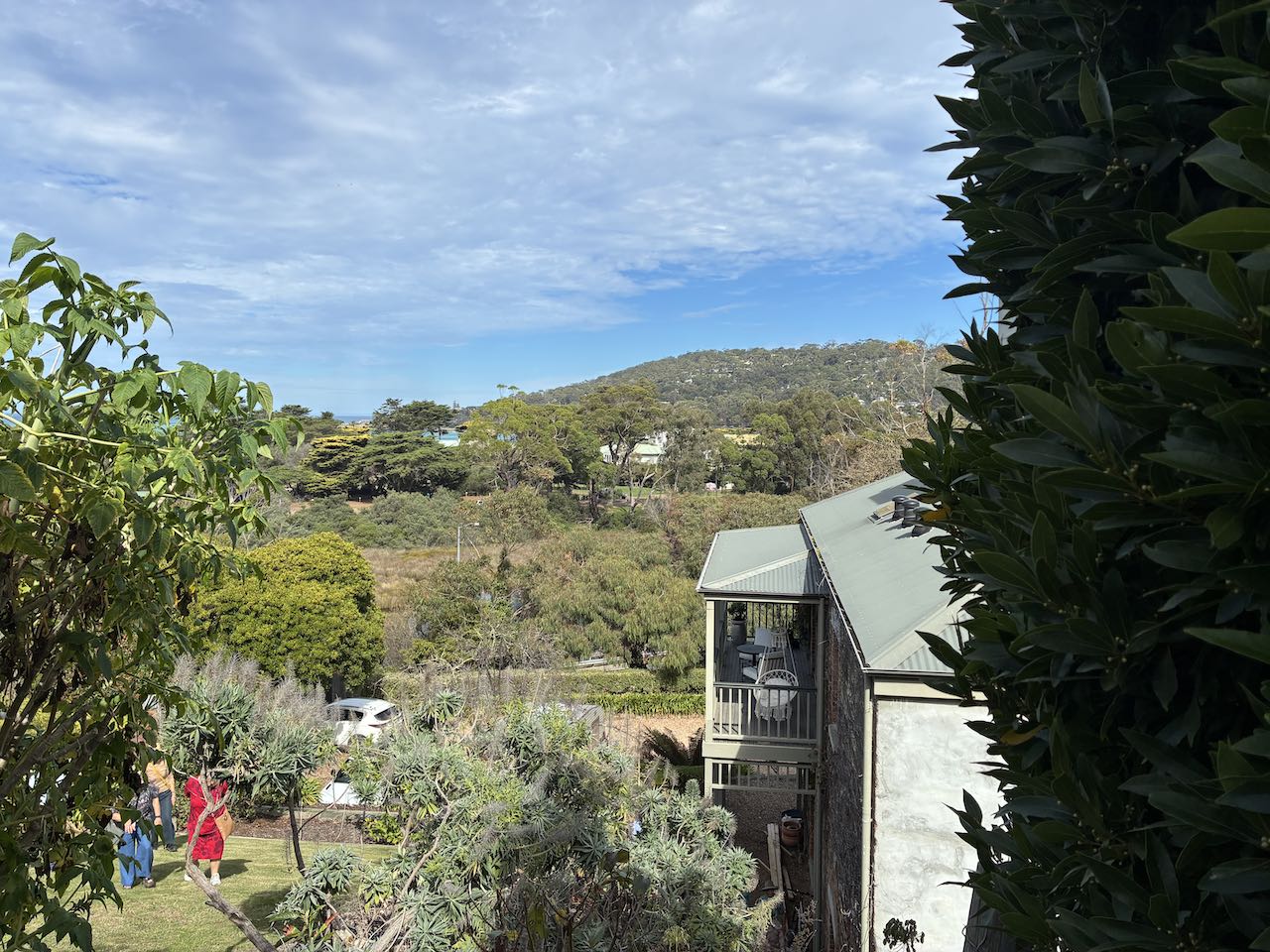
Located at the corner of Deans March Road and Waverley Avenue, overlooking the Erskine River. It is clear from early photos, that Waverley, proceeded the existence of Waverley Avenue and Deans Marsh road.
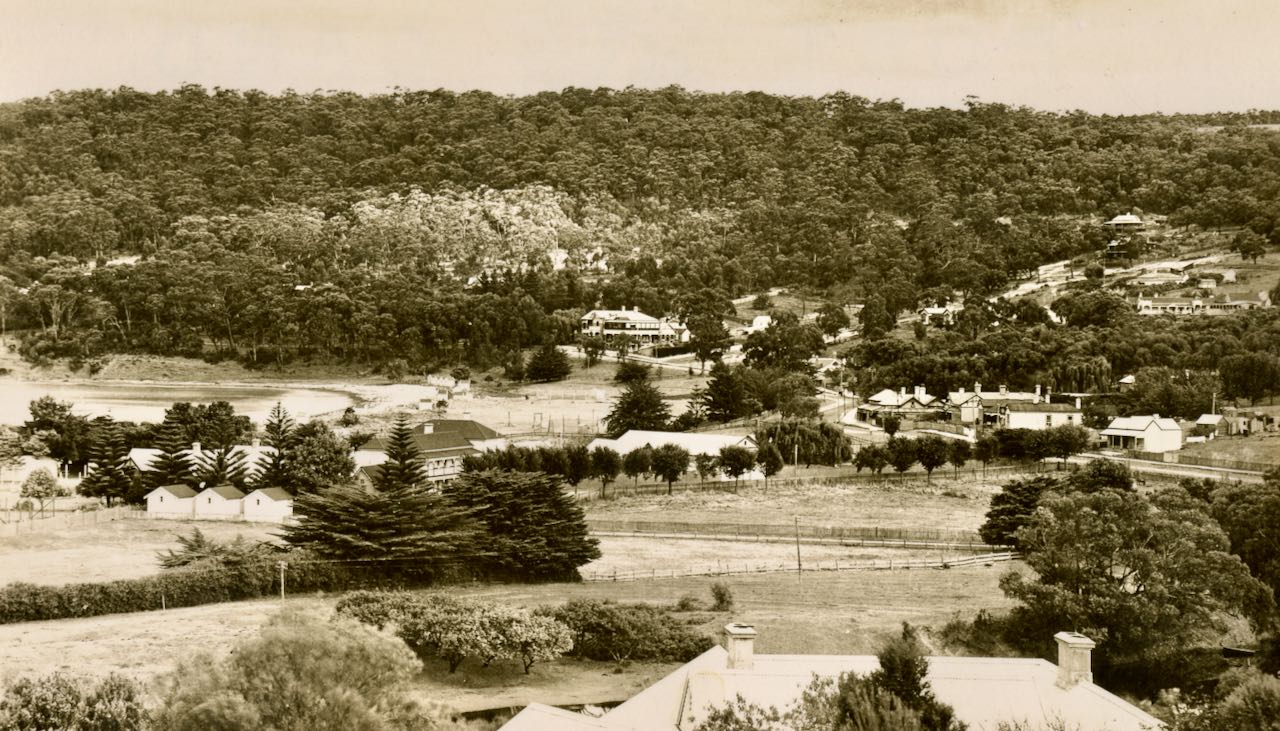
View of Lorne from Waverley House. (THE ROSE SERIES, P. 2137)
Edward Lascelles purchased Waverley overlooking the Erskine River in 1908 from the Staughton family of pioneering pastoralists. The Lascelles were notable enough to host the Governor General of Australia and Lady Ferguson as weekend guests at their home in Lorne in the early 1920s. Lascelles gave great support for the creation of a coast road, later know as The Great Ocean Road.
In 1999, Len Harris recalled that for many years Lascelles owned a lot of land, in fact right up to the golf course. They used to keep a herd of goats to help to get rid of the blackberries and undergrowth. Behind Waverley they had a magnificent vegie garden with fruit trees, and a tennis court. A live-in gardener, Dave Logan, looked after the garden. Lascelles property originally included the flat land, where the camping ground and motel are now located, every time it rained heavily, it would flood and turn into a lake.
Edward died in 1917 and by 1922 the Waverley property was subdivided, reducing the extensive area of land behind Waverley.
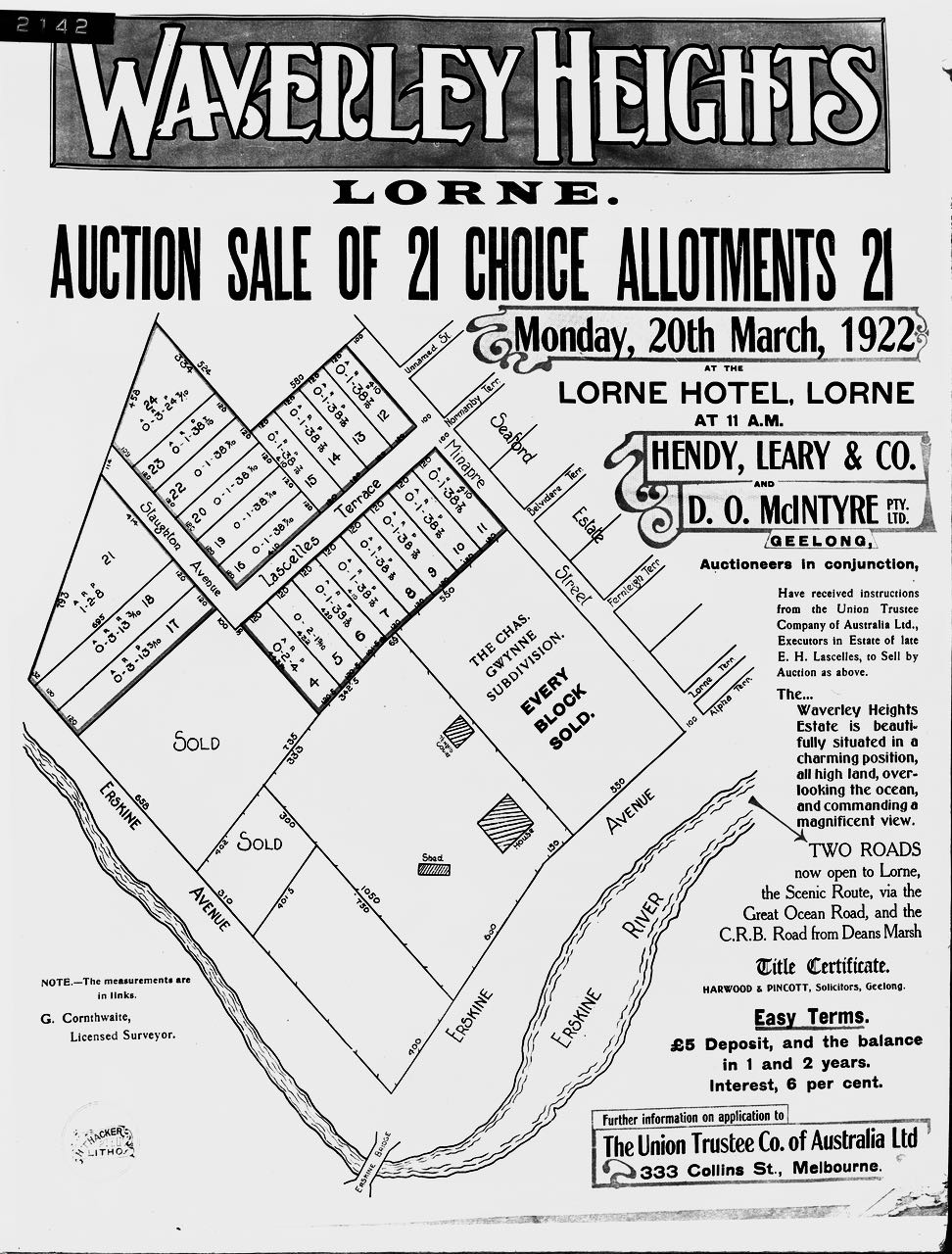
Waverley Heights Auction. (LHS photo 2142)
Cecily Lascelles with her mother Ethel in 1922, were the first two women to make the trip from Geelong to Lorne along the newly formed Great Ocean Road track. The ladies drove their own car, accompanying them was the Mayor of Geelong, Howard Hitchcock, president of The Great Ocean Road Trust.
Waverley, the home of Cicely Lascelles, situated between “Little Colac” and the bridge over the Erskine River at the entrance to Lorne township was renovated and had a new garden plan.
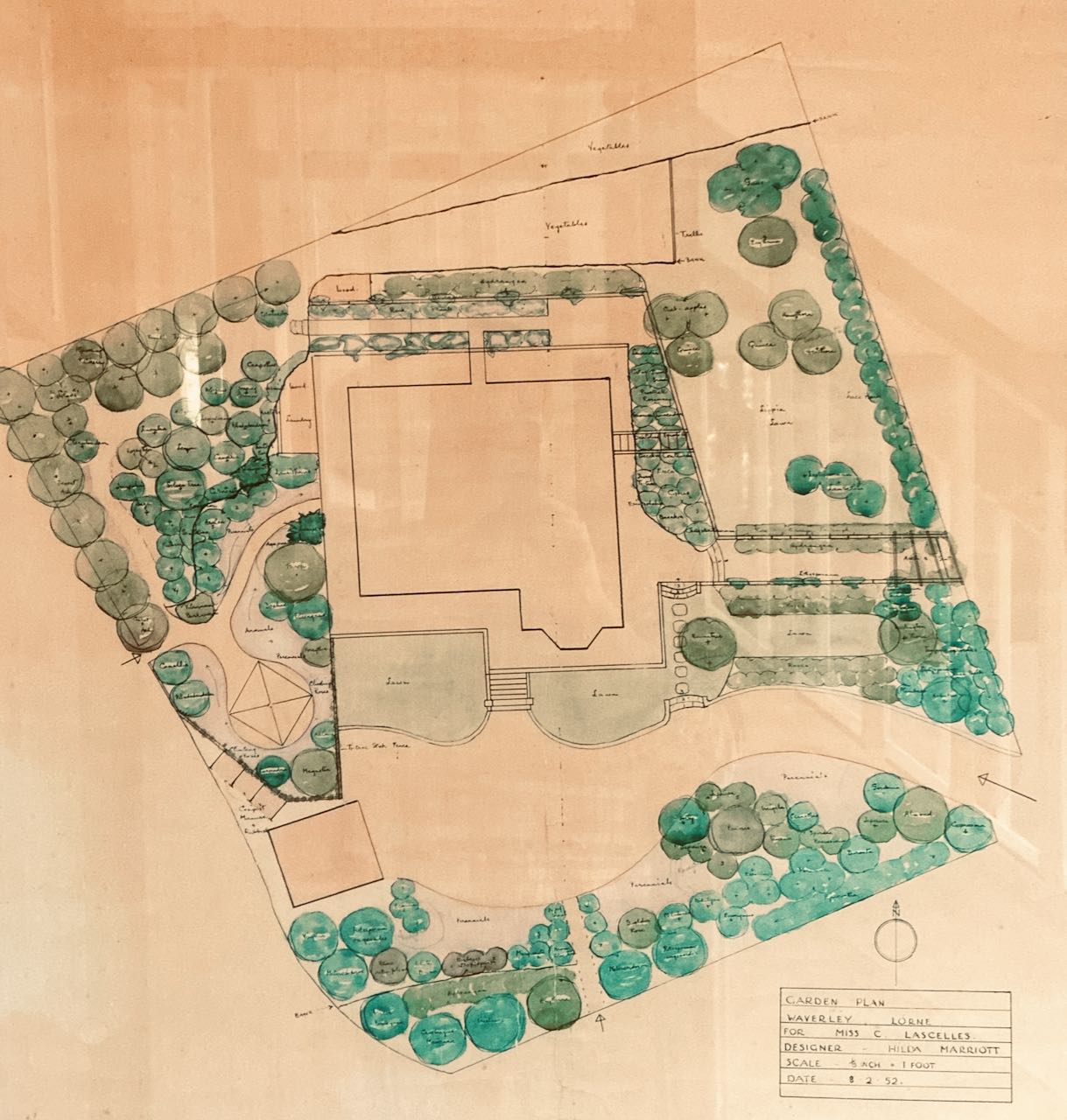
1952, Waverley Garden Plan
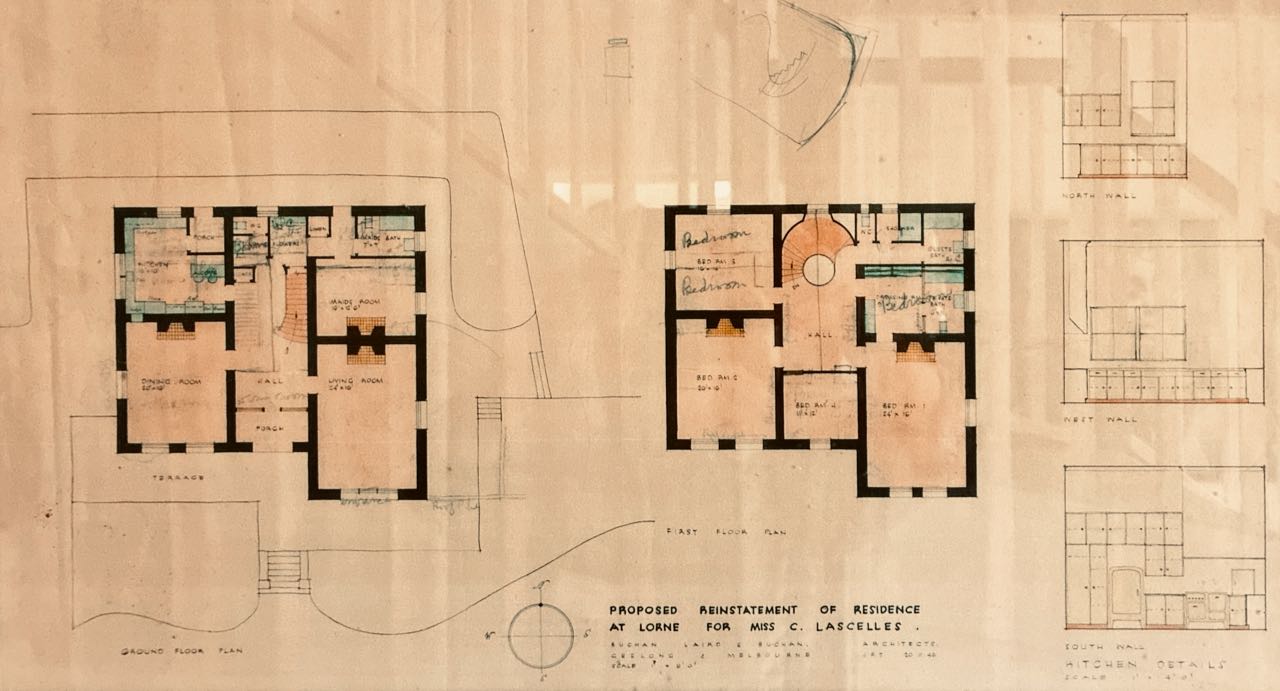
Waverley House Plan
Black Friday Bushfire
The Black Friday Bushfire threatened to destroy Lorne. The Geelong Advertiser reported in 1939, that by 2pm North Lorne was a blazing mass of fire. All the outbuildings at Waverley the beautiful two storey residence of Miss Cicely Lascelles, developed into an inferno and a £3,000 home met the fate of many beautiful little residences facing the sea in what is termed “Little Colac”. Six other houses in the vicinity were quickly swallowed up in the raging inferno. The township was very lucky as the wind changed to the south west when it did otherwise the town would have been burnt out.
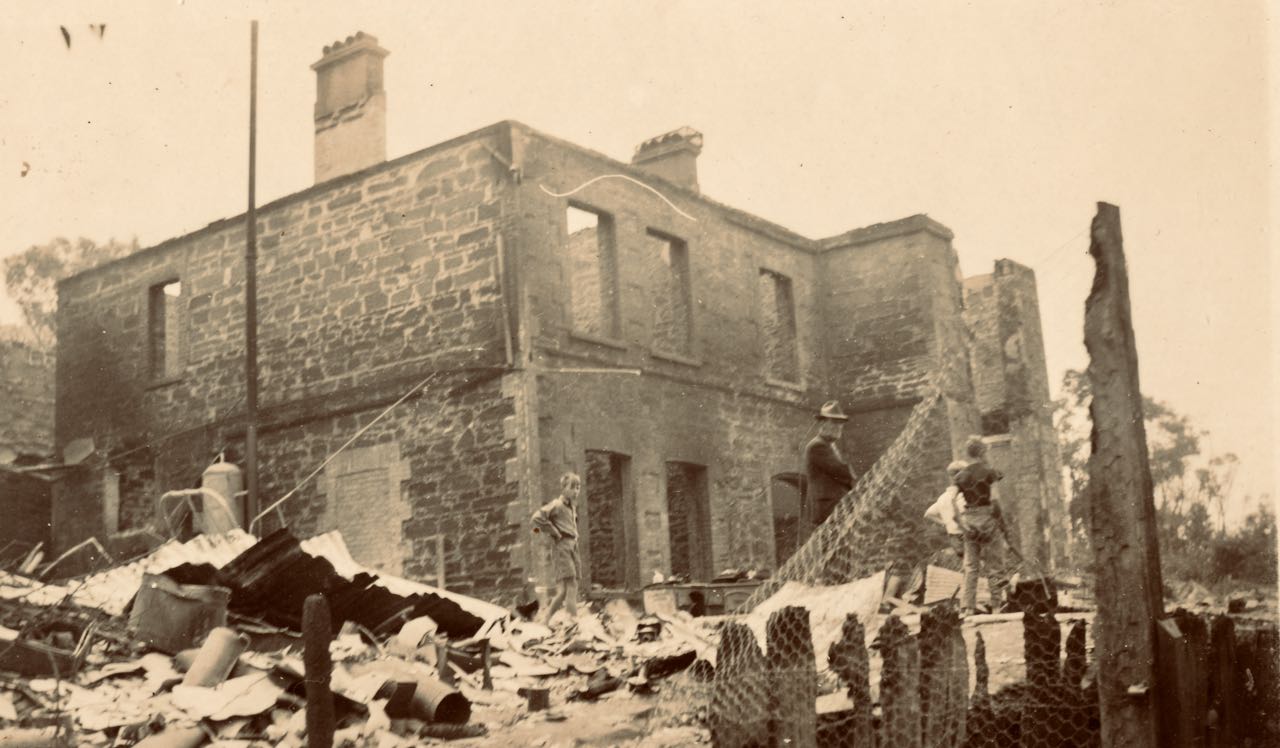
1939, Waverley after bushfire.
Waverley Rebuilt
After the 1939 bushfire, only the stone walls of Waverley were left. Fires appeared to have meet near this residence after travelling from the north and south behind Lorne. The bush was still burning at the back of the township at night, but, with so much undergrowth destroyed, the danger apparently had passed. Waverley was built incredibly solid, its outer walls being blue stone rock withstood the fire extra well. They were certainly strong and with high workmanship. When Horrie Williams and Bill Lynch rebuilt Waverley, they incorporated the same walls without touching them.
Gardening was also a keen interest of Cicely Lascelles. Living at Waverley, the holiday house of her youth, Cicely established a rose garden featuring a number of Alister Clark roses, including her own “Cicely Lascelles”.
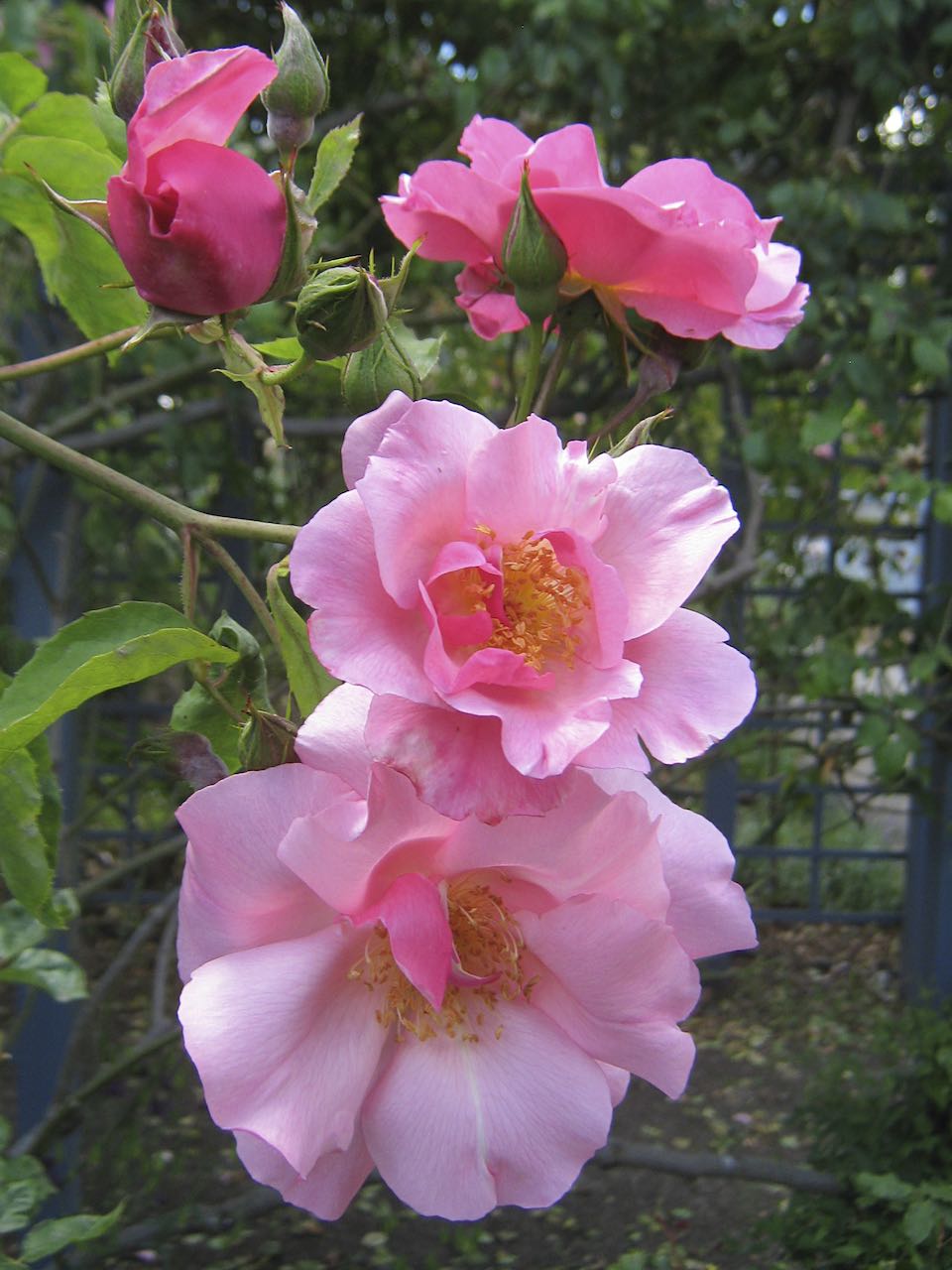
Alister Clarke Rose, “Cicely Lascelles”
The garden, almost lost in the Ash Wednesday bushfires of 1983, later revealed the Clark rose “Zara Hore-Ruthven”, rediscovered in 1992.
Cicely was involved in the home effort during both world wars, was a Commissioner in the Girl Guides movement, and also worked for the YMCA. When she retired she frequently shared the company of her younger sister Hilda, passing away in 1989 at the age of ninety-four.
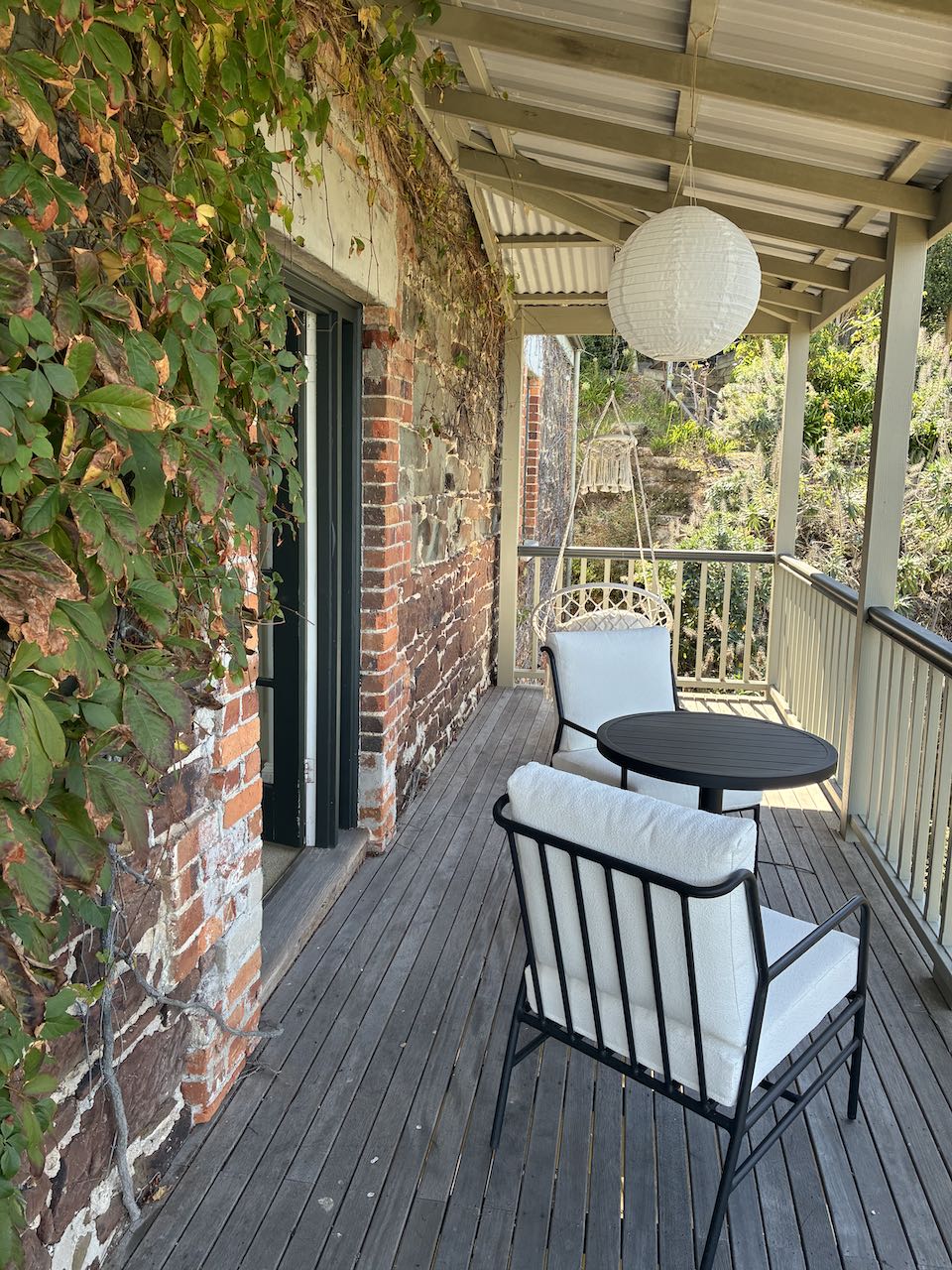
In 1996 Waverley was bought by Mr & Mrs St John Sutton who converted it into studio appartments. I was later sold and used as a private residence.
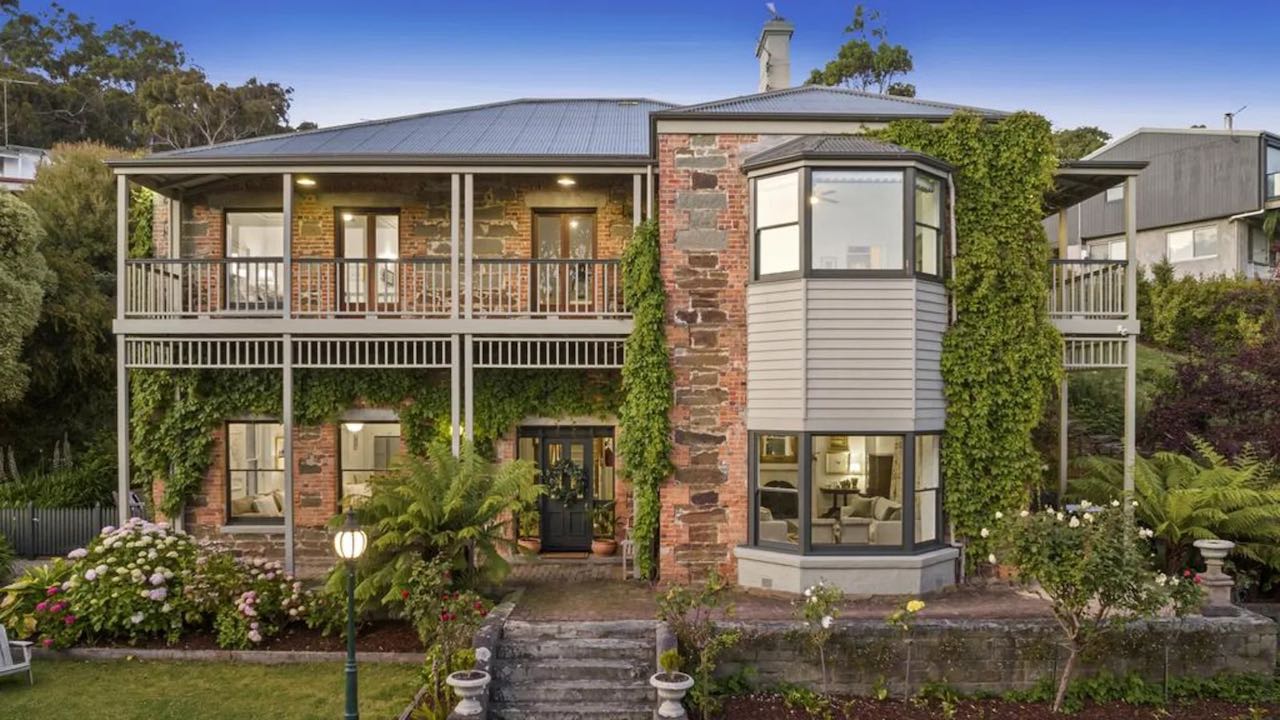
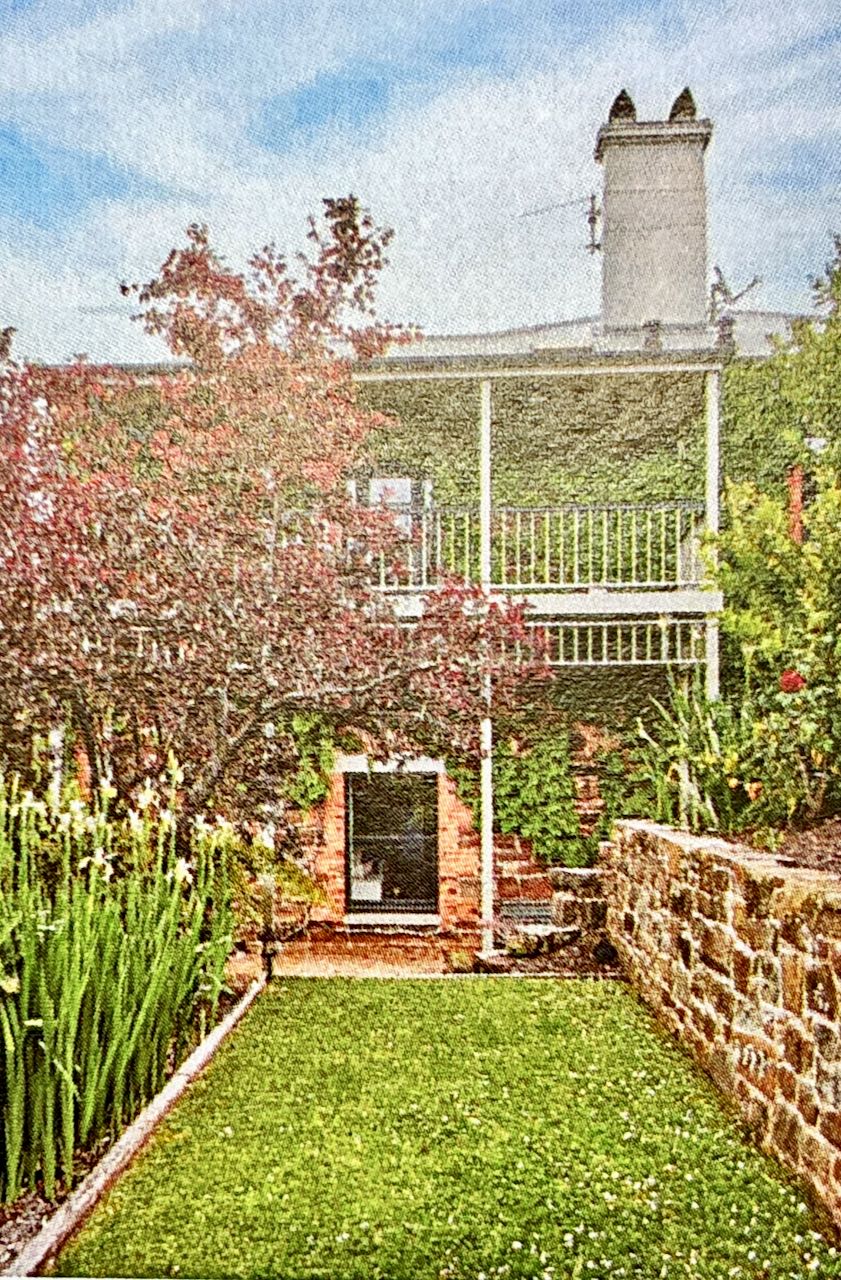
Waverley House 2023
-
- Waverley garden 2023
-
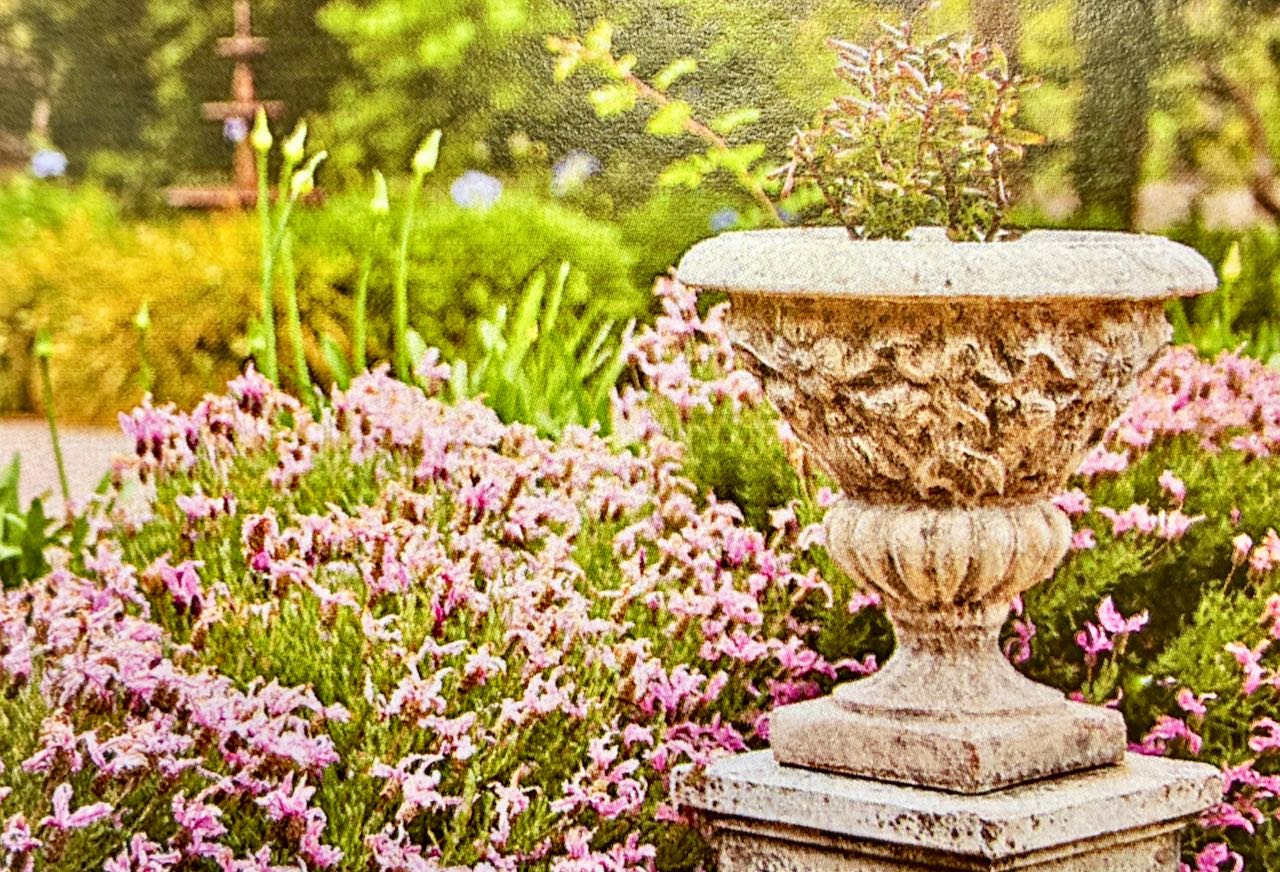
- Waverley garden 2026
Sources:
- Lorne Historical Society Collections
- The Geelong Advertiser, 1881, 14-1-1939
- “Lorne A Living History” by Doug Stirling
- Birregurra Times, 2-3-1920
- October 1999, Lorne Local News, “My Life in Lorne” by Len Harris .