
Lorne Victoria Australia
Edward H. Lascelles (1847-1917)
Edward Harewood Lascelles (also spelt Harwood) was born on 3 October 1847 at Bothwell, Van Diemen’s Land (now Tasmania, Australia). He was the son of Edwin Lascelles and Eliza Nicholas.
After his mother died in 1853, he and his sister went to their uncle, C. J. Dennys, a wool broker in Geelong and was educated there. Aged 14, he joined the firm of his uncle, Charles John Dennys. In 1868, on his 21st birthday, he became a partner in the firm, which became Dennys, Lascelles, and Co. It grew to become one of the leaders in the wool and wheat business.
Lascelles became an expert wool-classer and broker, and as the chief wool-valuer and manager he extended the business in both Geelong and Melbourne. He also experimented in wool production at Ingleby, a lease near Winchelsea, and substantially improved both quality and clip.
In 1887, he married Ethel Dennys, the eldest daughter of C. J. Dennys, his cousin. They had six children:
- Beryl Frances, birth 1888 died 11 Feb 1889 at Hobart, notice.
- Laura Evelyn, birth 1889; lost in the wreck of the steamer Waratah in 1909, administration notice.
- Francis Hope, birth 1892; died on 22 Aug 1917, while on Army service in France, notice.
- Audrey May, birth c1894 – died c1973, married Roger St Clair Steuart
- Cicely Mary, born 16 September 1895, died in 1989 at the age of 94.
- Hilda Minapre, born 27 January 1901, died 28 November 1994.
He was best known as a pioneer of the Mallee. In 1878, he purchased the Lake Corrong Station, a large sheep run in the heart of the Mallee; after struggling against drought and other difficulties, he removed the Mallee scrub and started growing wheat, with millions of bushels produced annually. Vast sums of money were spent on the conversion. He was managing director of the Mallee Agricultural and Pastoral Company, which had over 120,000 acres under wheat. He was also involved in the foundation of towns and the construction of railway lines in the area.
He had various other associations:
- deputy chairman of the Victorian Wheat Board
- on the advisory committee of the Wool Commission
- one of the first commissioners of the Geelong Harbour Trust
- worked on improving the Barwon River
- first president of the shire of Karkarooe
- a few years before his death, he purchased the Woolamanatta Estate, near Lara, establishing the Corriedale breed of sheep with success
- he was also interested in a property in the Hunter Valley, NSW
- prominent member of the Pastoralists’ Association
- prominent member of the Sheepbreeders’ Association
- judge of sheep and wool at various shows
- led the movement for the construction of the Melbourne to Geelong telephone trunk line, the first in Victoria
He passed away on 12 February 1917 at Geelong, aged 69. He was survived by hs widow Ethel, one son, and three daughters. He was buried on 13 February at Geelong Eastern Cemetery.
The town of Lascelles, Victoria is named after him.
Edward Lascelles purchased Waverley House overlooking the Erskine River in Waverley Avenue in 1908 from the Staughton family of pioneering pastoralists. The Lascelles were notable enough to host the Governor General of Australia and Lady Ferguson as weekend guests at their home in Lorne in the early 1920s. Lascelles gave great support for the creation of a coast road, later know as The Great Ocean Road.
Lascelles was for several years a commissioner of the Geelong Harbor Trust and was prominent in local rowing, tennis and golf clubs. He died at Geelong on 12 February 1917. He had married Ethel, daughter of C. J. Dennys, in 1887. Of their six children three daughters survived him.
Ethel Dennys Lascelles (1857-1952)
Ethel was the spouse of E.H. Lascelles. She was born in 1857 and died in South Yarra, Melbourne on 7 August 1952.
Cecily Mary Lescelles (1895-1989)
Daughter of E.H. Lascelles and E.D. Lascelles
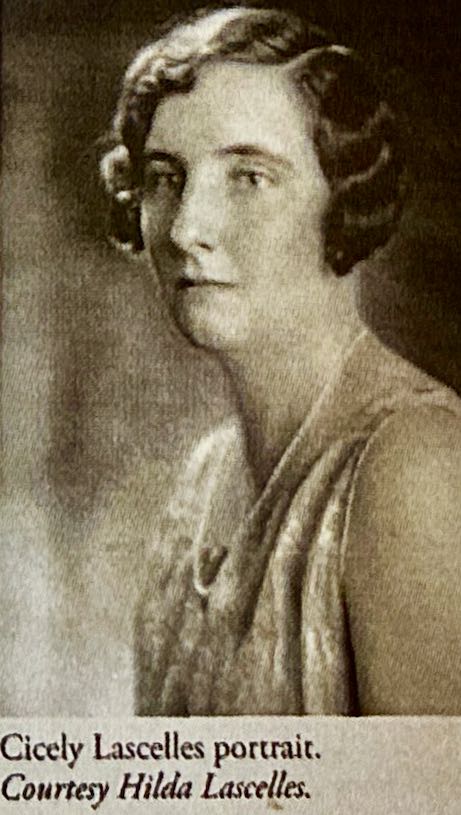
Cicely Lascelles was born at Hopetoun on 16 September 1895. She grew up in Geelong, in a family of four daughters and one son. She was educated at home until she turned fifteen, when she was enrolled at Toorak College as a boarder. Academically inclined, she enjoyed school. Summers were spent at Waverley, the family holiday house at Lorne, where friends and relatives joined them.
In 1909, tragedy struck the family with the disappearance of the passenger-cargo liner Waratah. Cicely’s older sister, along with the rest of the 211 passengers and crew, was pronounced missing, presumed drowned, following the ship’s failure to arrive at Cape Town, South Africa, on 29 July on its second voyage from Sydney to London.
During World War I tragedy struck again when Cicely’s only brother died in France on military service.
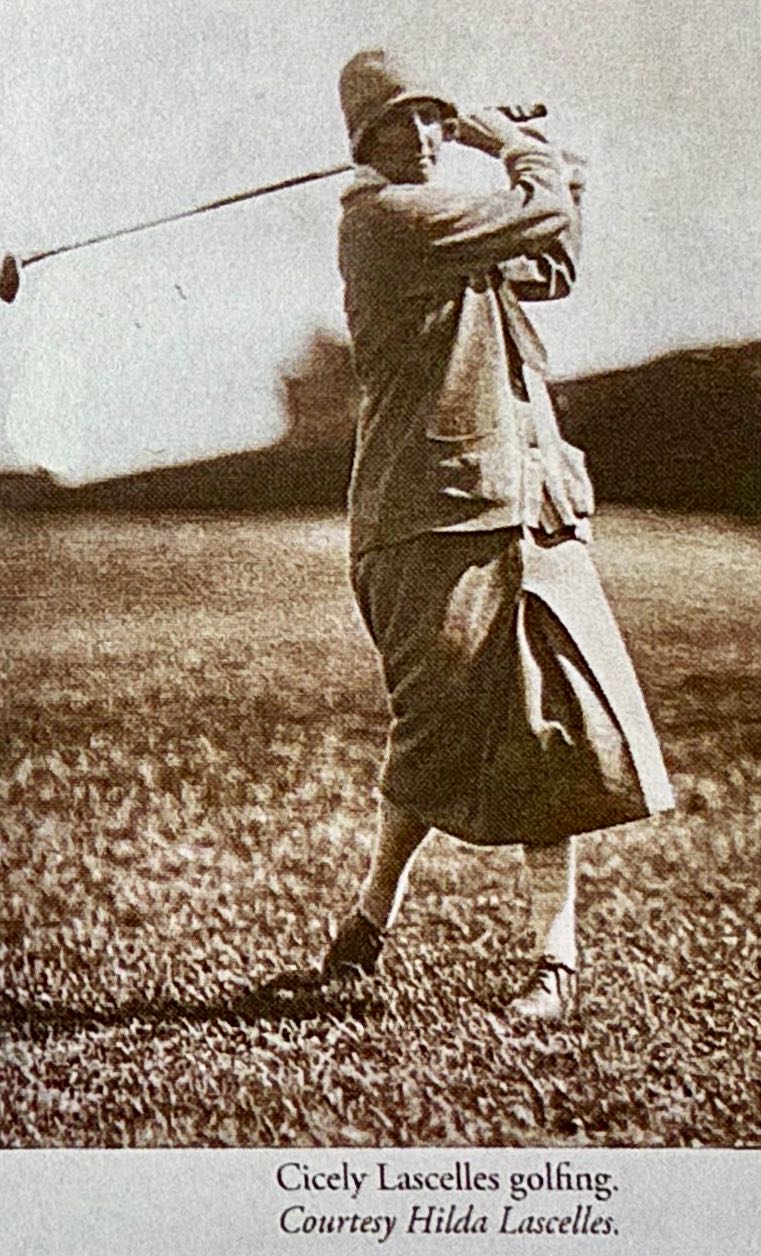
Cicely’s main interest was golf. Her father recognised her flair for the game when she was very young, and encouraged her. She won her first major tournament at Geelong in 1915, when she was twenty years old, where upon her father proudly signed her up as an Associate member of the Royal Melbourne Golf Club. Her success on the course only improved from there and she remained a member until her death on 30 August 1989. A memorium in the RMGC Newsletter of October 1989 noted that, Miss Lascelles made an outstanding contribution to golf during her lifetime, representing Australia overseas, and playing in many club, state and interstate matches as well as donating the Lascelles Cup in 1922.
Cecily Lascelles with her mother in 1922, were the first two women to make the trip from Geelong to Lorne along the newly formed Great Ocean Road track. The ladies drove their own car, accompanying them was the Mayor of Geelong, Howard Hitchcock, president of The Great Ocean Road Trust.
Gardening was also a keen interest. Living at Waverley, the holiday house of her youth, Cicely established a rose garden featuring a number of Clark roses, including her own, “Cicely Lascelles”. The rose was bred by Alister Clark, a family friend of the Lascelles family, and introduced in Australia in 1937. It is a climbing hybrid tea rose with pink shaded salmon, bred as a cross between ‘Frau Oberhofgartner Singer’ and ‘Scorcher’.
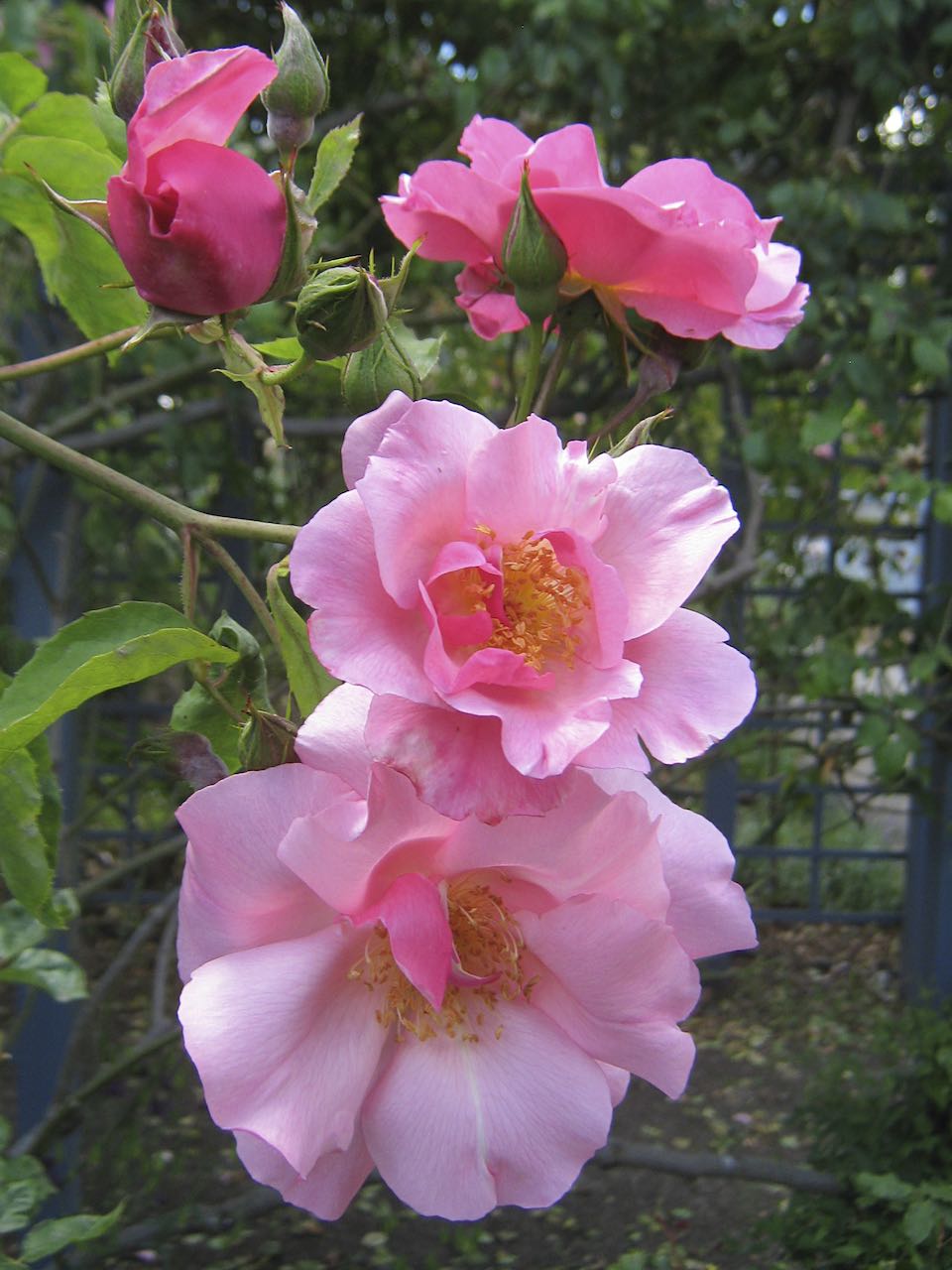
Alister Clarke Rose, “Cicely Lascelles”
The Waverley garden, almost lost in the Ash Wednesday bushfires of 1983, later revealed the Clark rose “Zara Hore-Ruthven”, rediscovered in 1992.
Cicely was involved in the home effort during both world wars, was a Commissioner in the Girl Guides movement, and also worked for the YMCA. When she retired she frequently shared the company of her younger sister Hilda, passing away on 30 August 1989 at the age of ninety-four.
Hilda Minapre Lascelles (1901 – 1995)
Hilda, daughter of E.H. Lascelles and E.D. Lascelles, was born 27 January 1901 in Geelong and died on 28 November 1994 at the age of 94. She is buried at Geelong Eastern Cemetery plot EAS-BAP-02-807-135.
Opening of Geelong Wool Exchange 1987
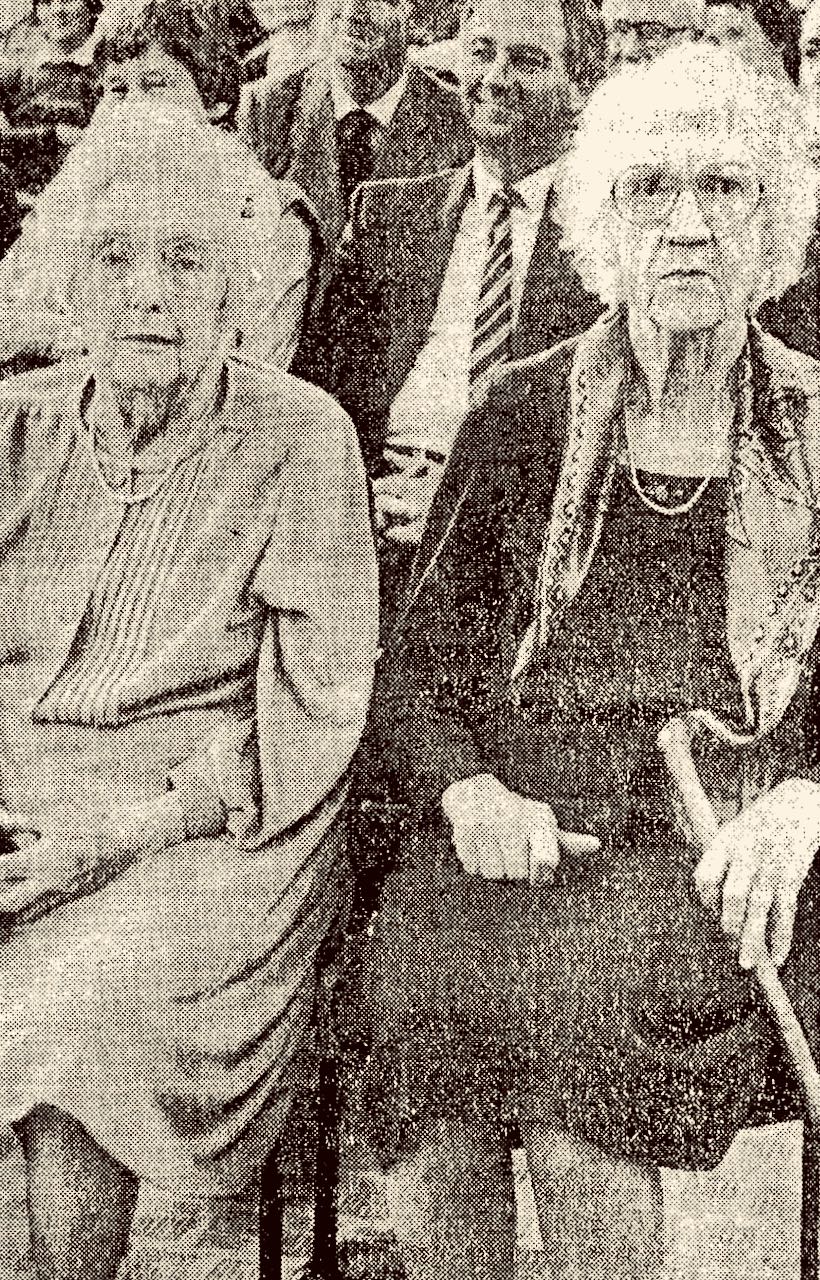
c1987, Cicely Lascelles, Hilda Lascelles, Geelong Wool Exchange opening.
Miss Hilda Lascelle’s eyes sparkled mischievously as she recalled the first time she attended a wool auction. “I was about 12 at the time and I’m 86 now.” she volunteered. “It was the most boring thing I had ever been to.”
At the opening of the new Geelong Wool Exchange in the National Wool Centre was “marvellous”. “It was so good of the organisers to ask us here, we’ve been treated like celebrities all day,” she said.
The two Miss Lascelles, Hilda and her older sister Cicely, were special guests at the opening of the Wool Exchange which is housed in the building their grandfather Charles John Denny owned.
“You wouldn’t understand,” Miss Hilda said. “It was different in those days, we were lucky because our family kept us, there wasn’t any need to work and we lived at home.”
In 1987 Cicely and Hilda were living in the family holiday home, Waverley House.
(Summary of article written by Slava Brdar)
Sources:
- Lorne Historical Society Collections
- Australian Dictionary of Biography
- Article by Slava Brdr
- Family Tree of Edward Lascelles