
Lorne Victoria Australia
A War Memorial
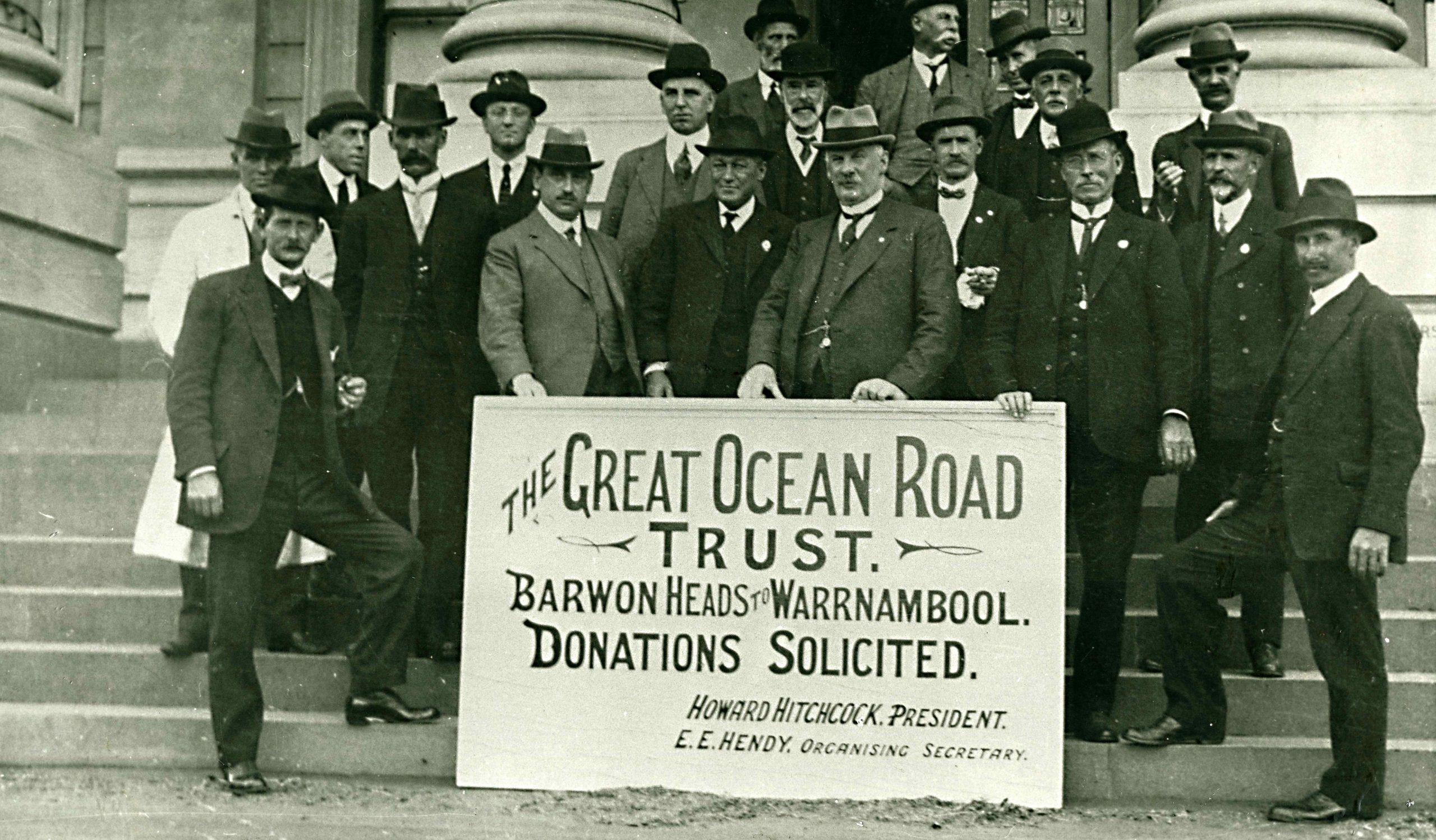
This magnificent project began officially on the 19th September 1919, and was opened as far as Lorne on the 18th March 1922, with much pomp and ceremony.
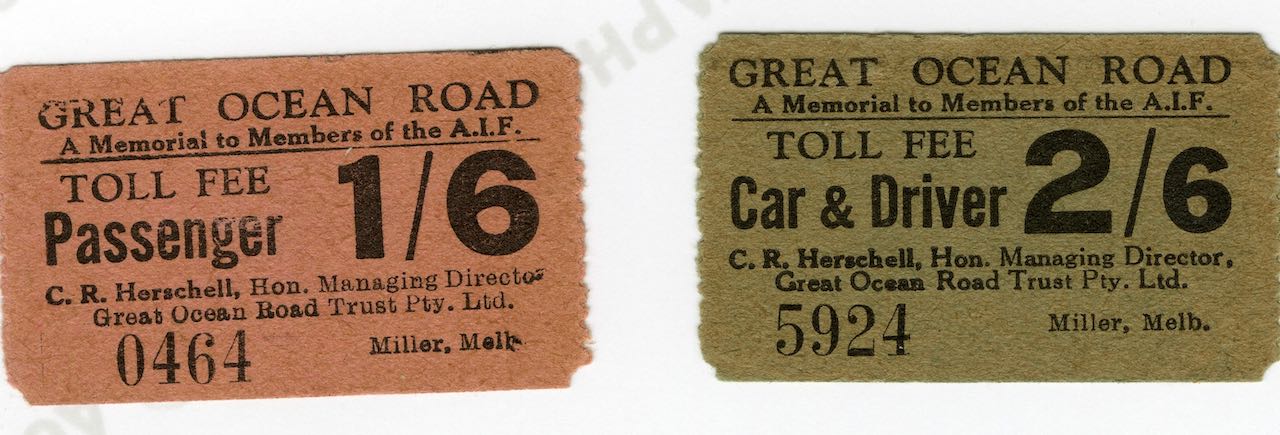
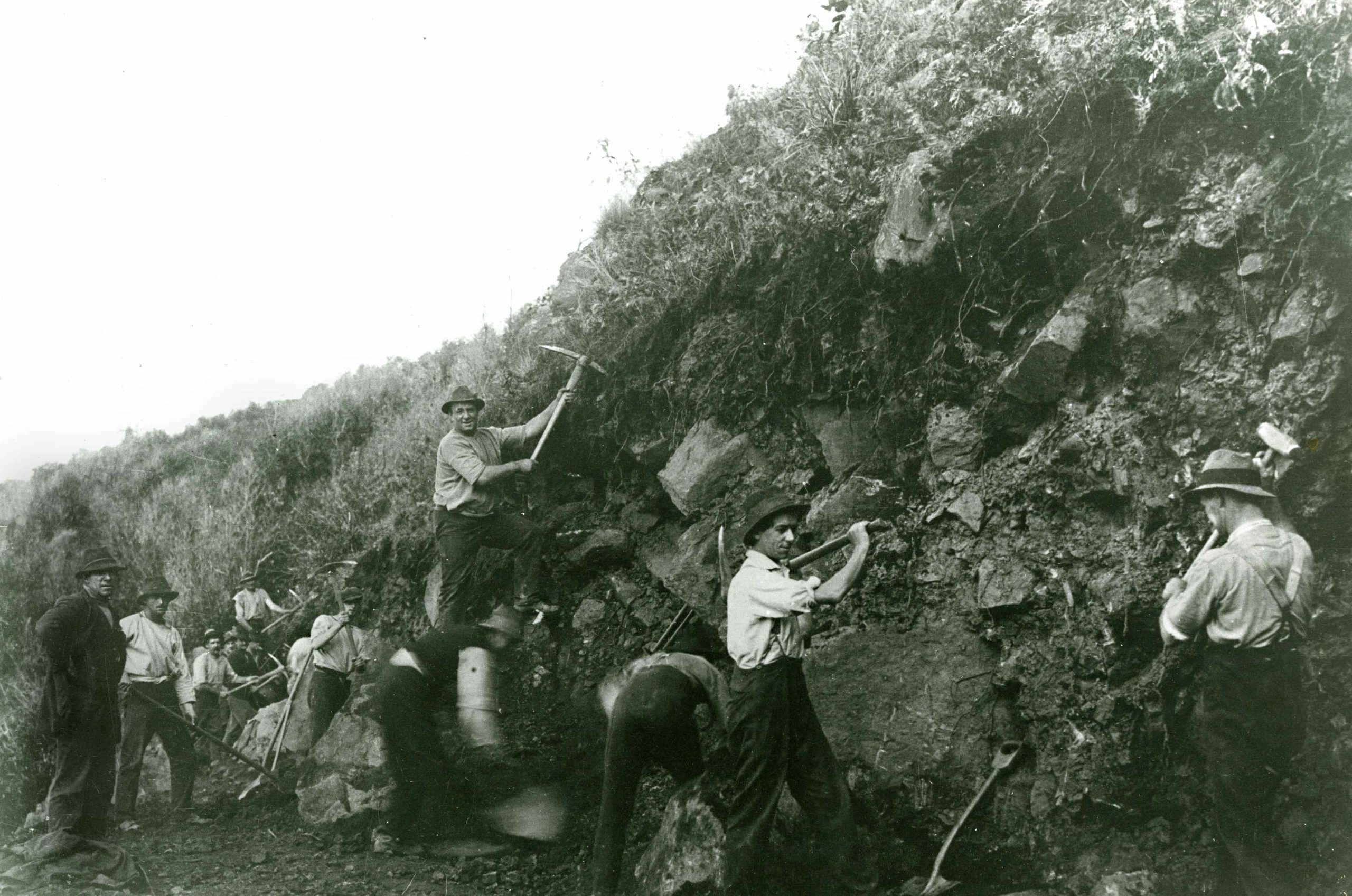
The work was hard and the going was tough, for the first three years of construction. Small gangs of 20 to 30 labours were employed and paid 10/6 (10 shillings and 6 pence) per day, cooks received 12/6. The estimated cost was to be £150,000 and the Trust had continual difficulty in paying the men and from time to time the money ran out. Monies for the project came from subscriptions, donations, money raising functions and sale of building blocks at favourable areas along the route. Once the road was opened up for motor traffic, a toll was imposed upon its users.
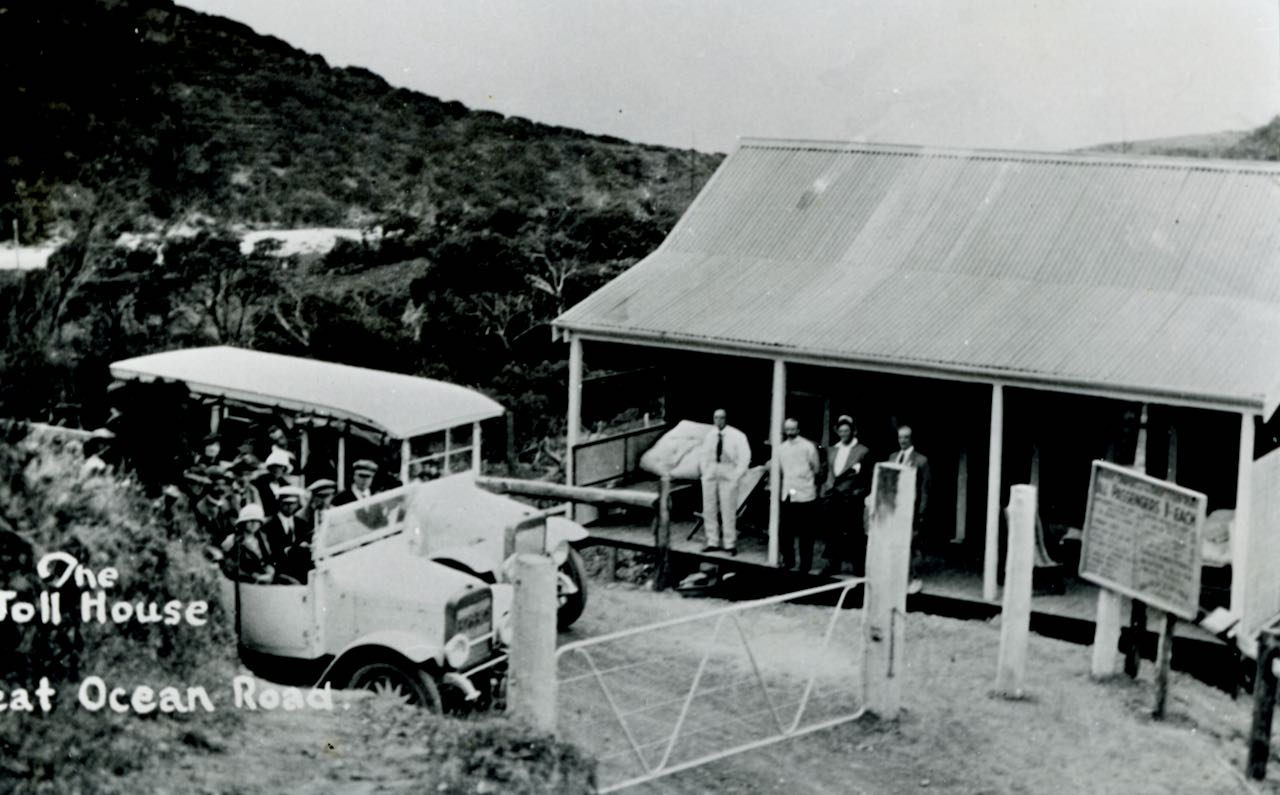
Toll Gates
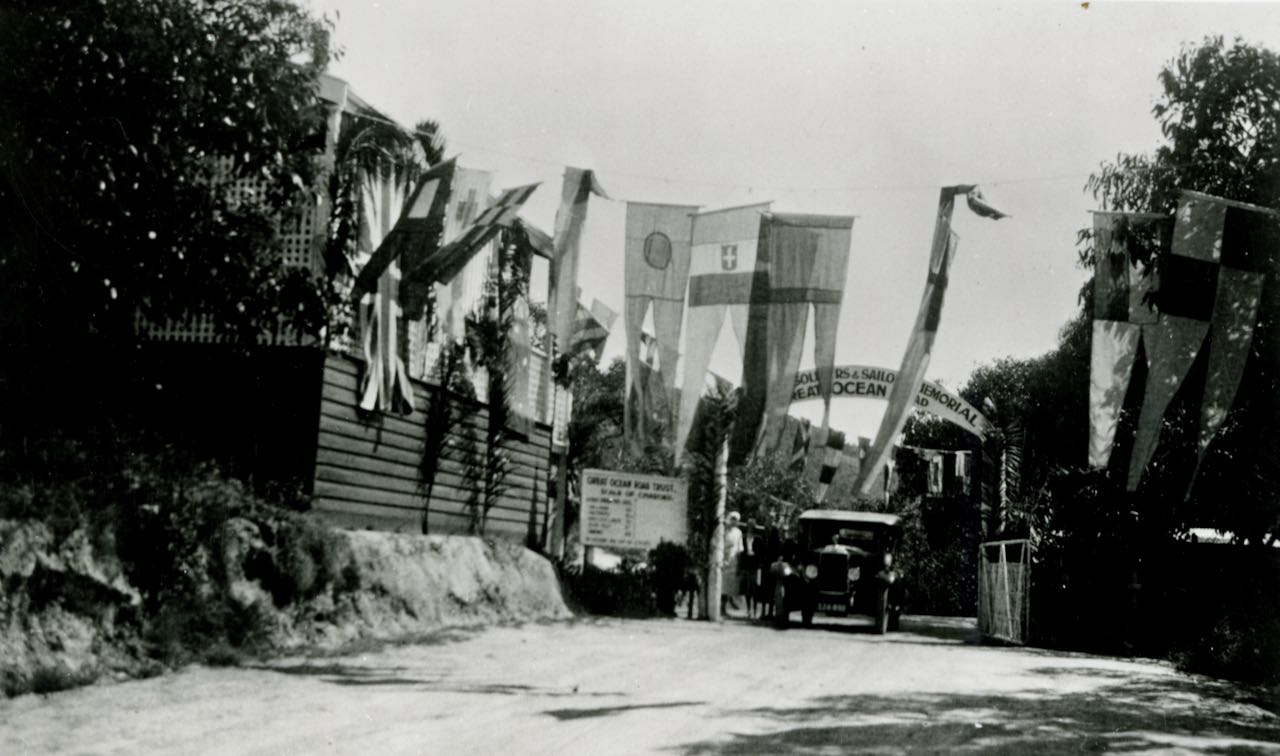
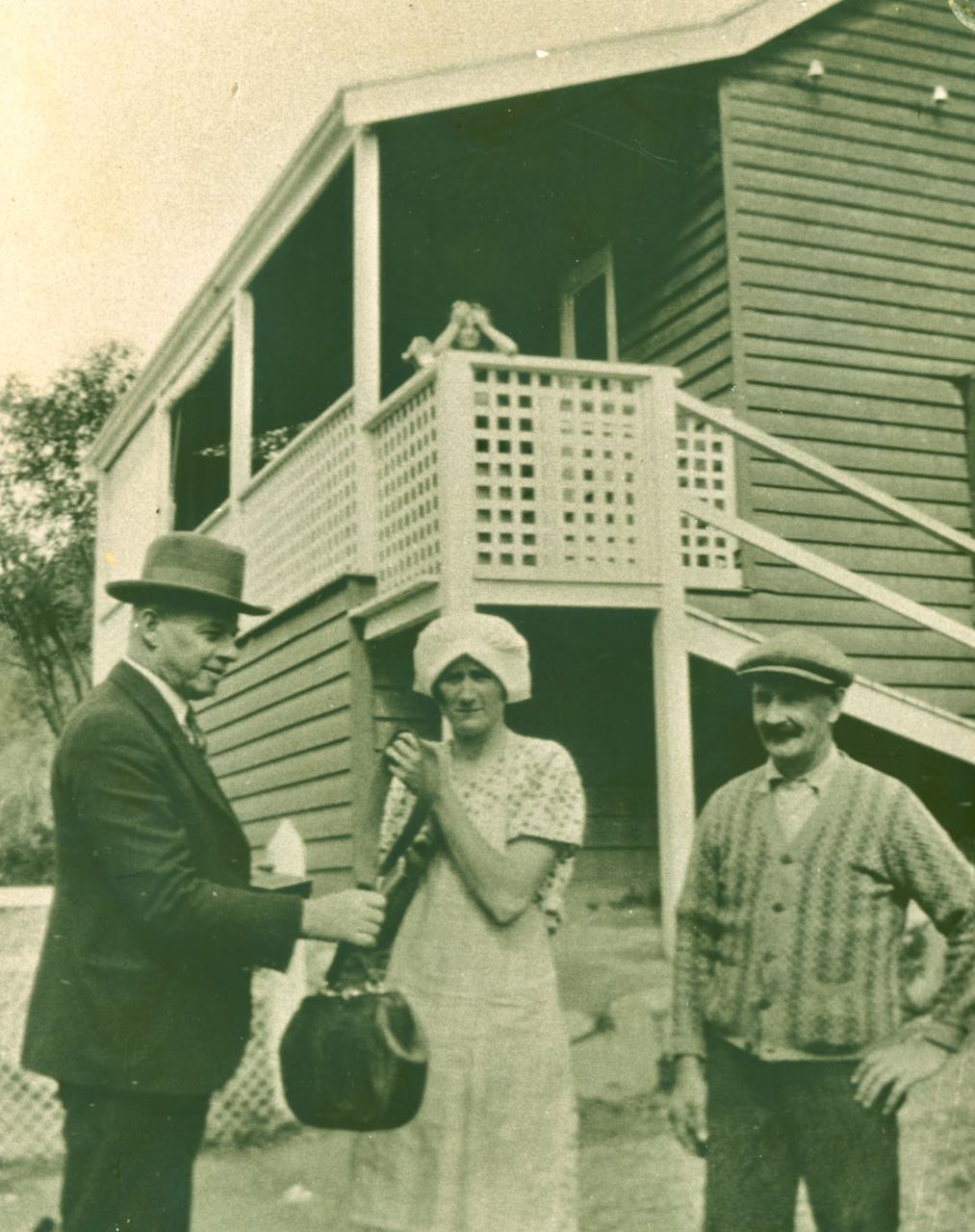
The first “Toll Gate” was at Grassy Creek, beside the small knoll in the valley on 25th December 1929. The second “Gate’ was at “The Springs”, South of Cathedral Rock, at Broadbent Road on 25th October 1929. The toll was 2/6 for car and driver and 1/- per passenger, but was later raised to 1/6 per passenger.
-
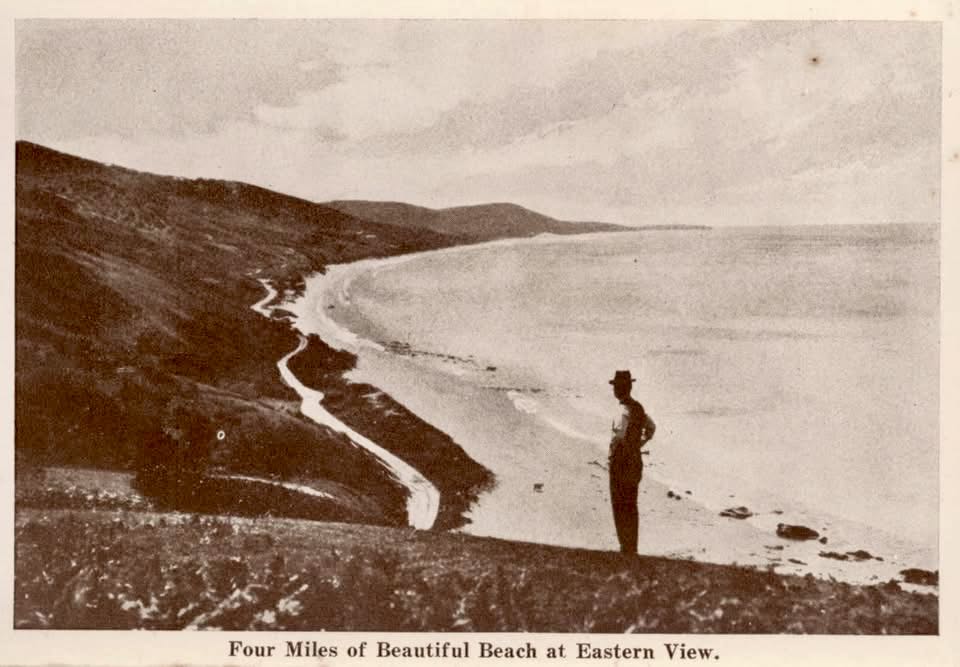
- Great Ocean Road Eastern View
-
- Toll Gate, Grassy Creek
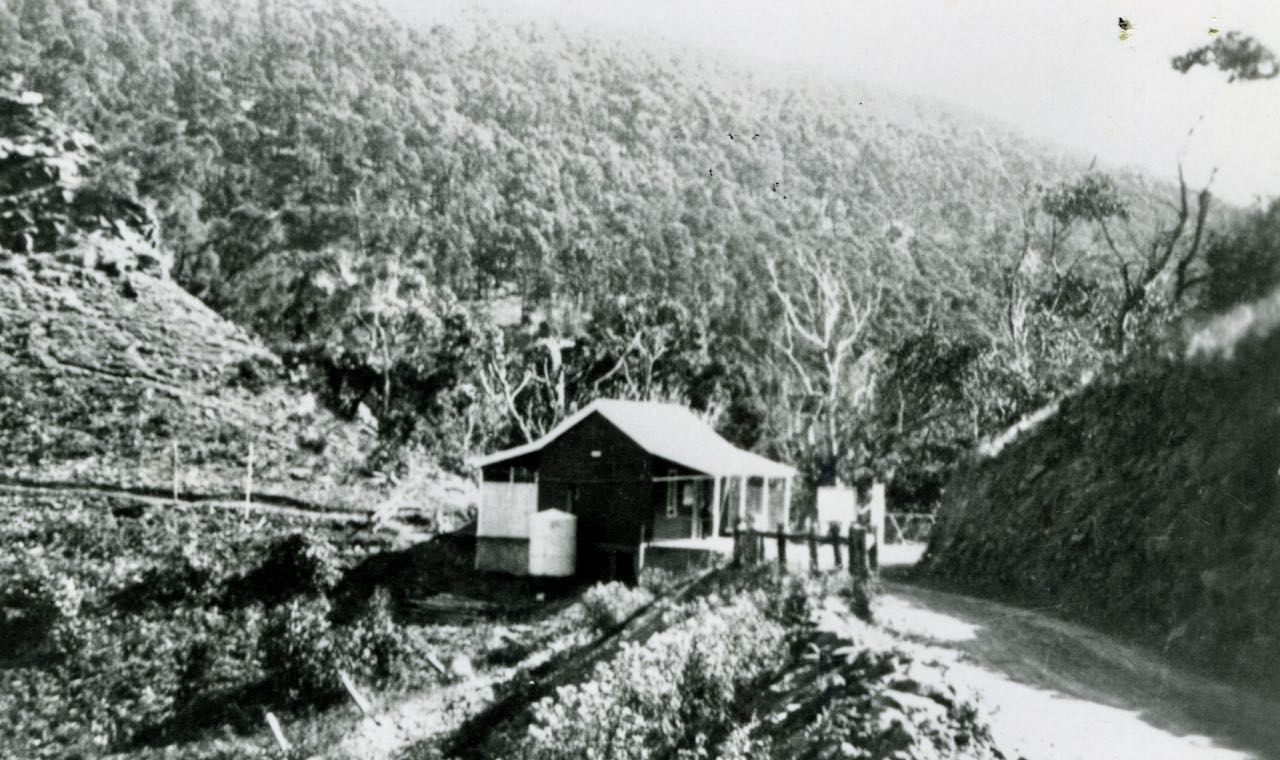
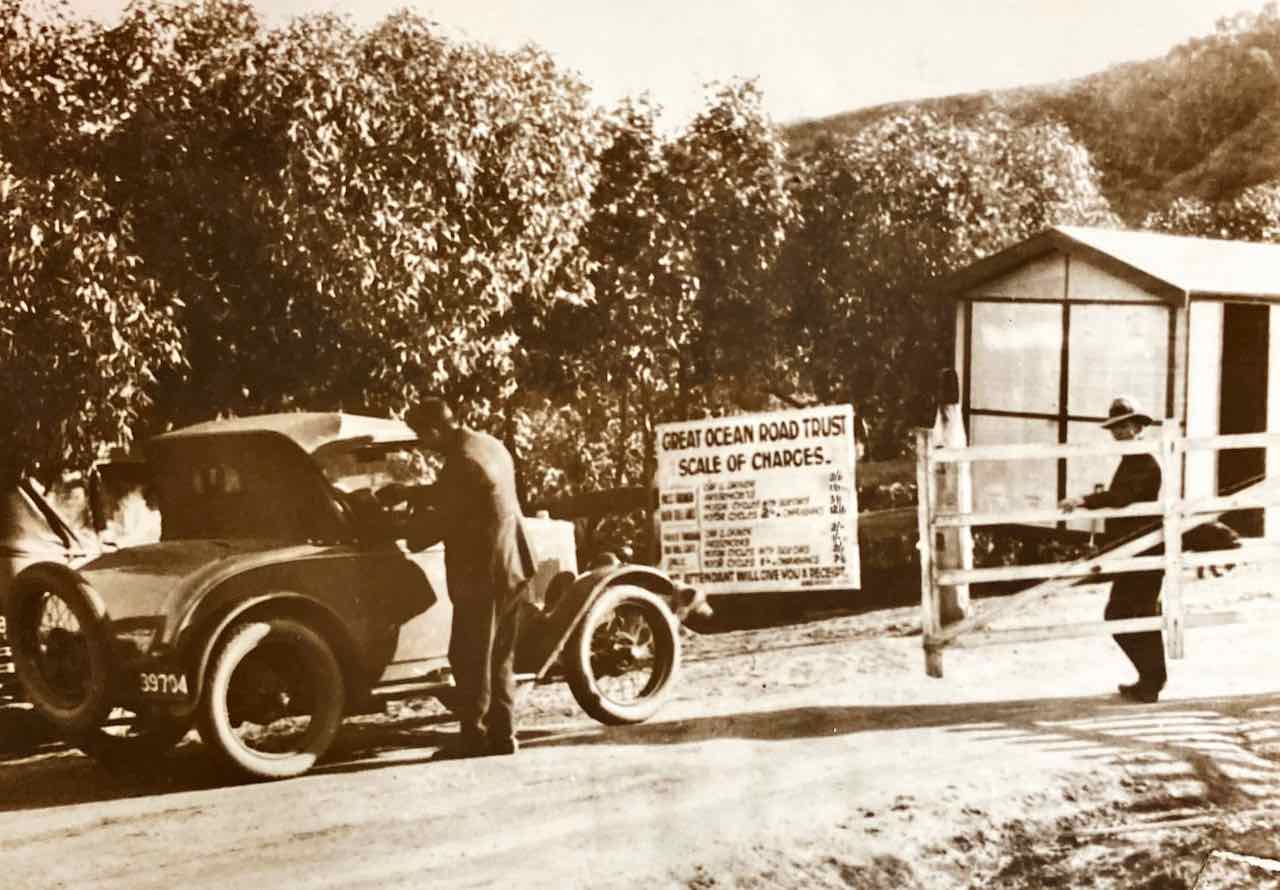
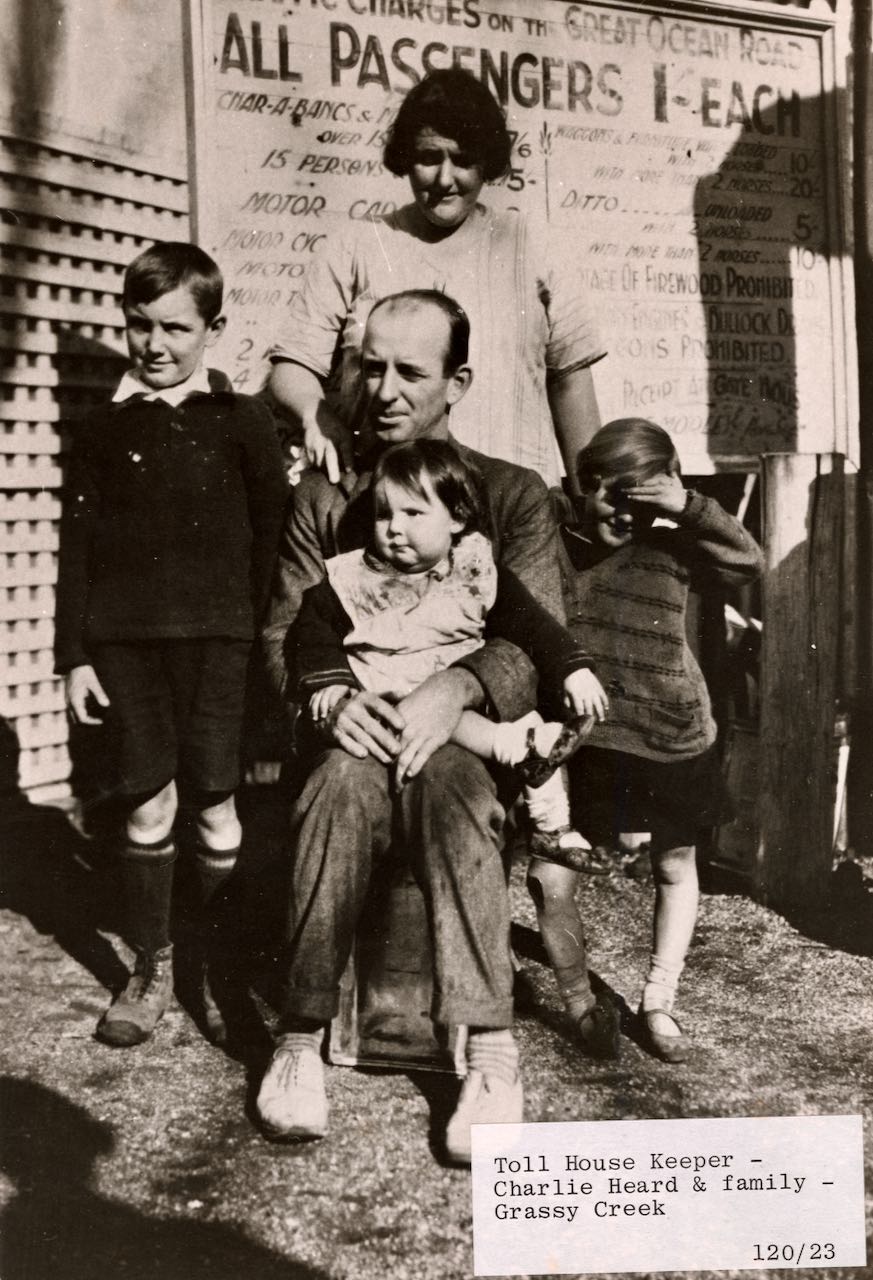
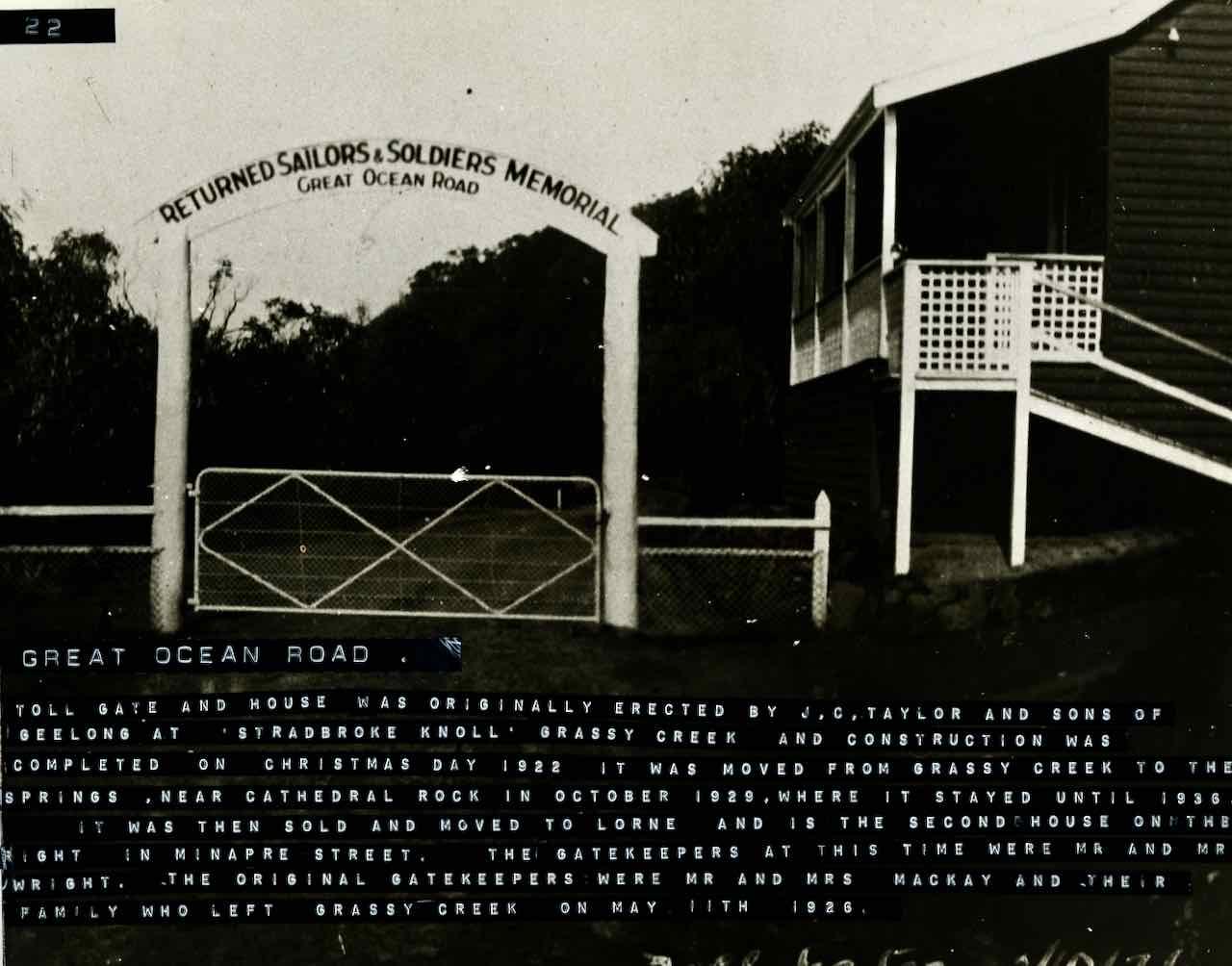
-
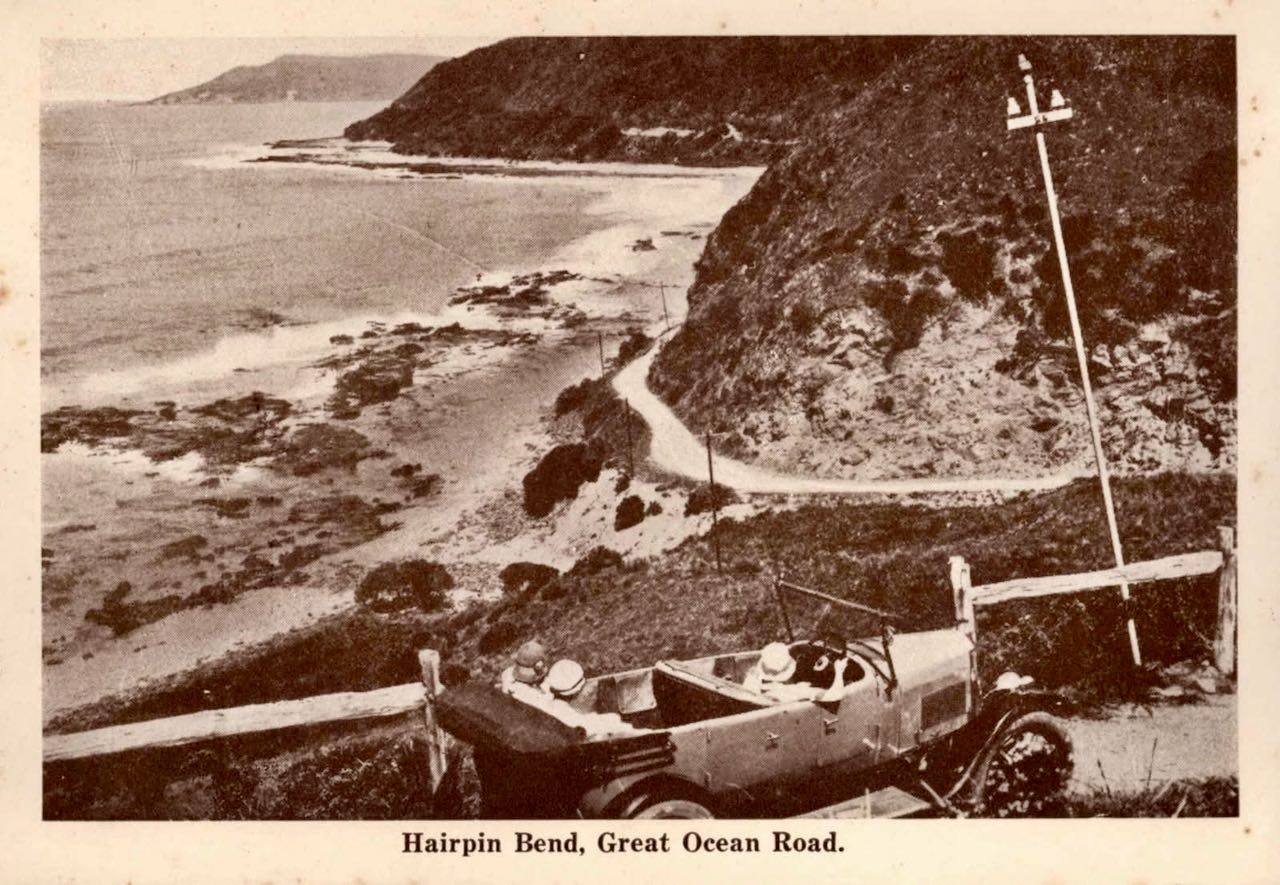
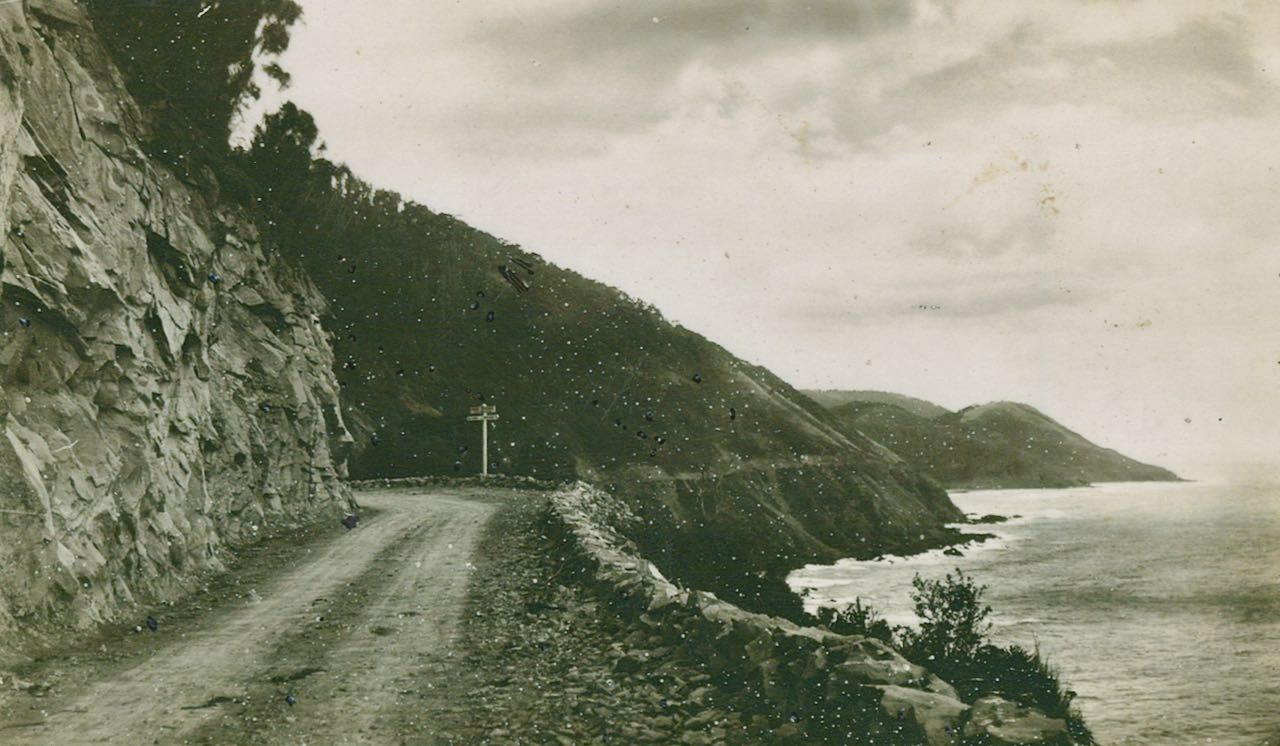
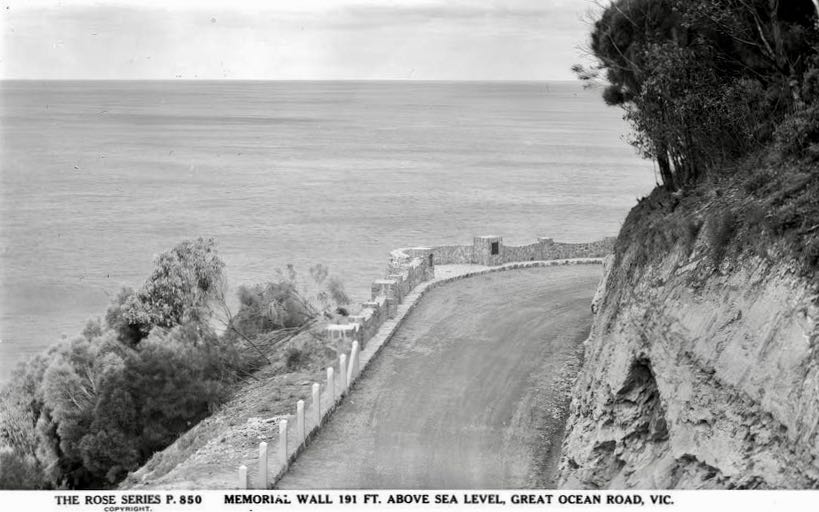
- Great Ocean Road Hairpin Bend
-
- 1936, Mrs Wright at Toll Gate
-
- Toll House. (LHS photo B999)
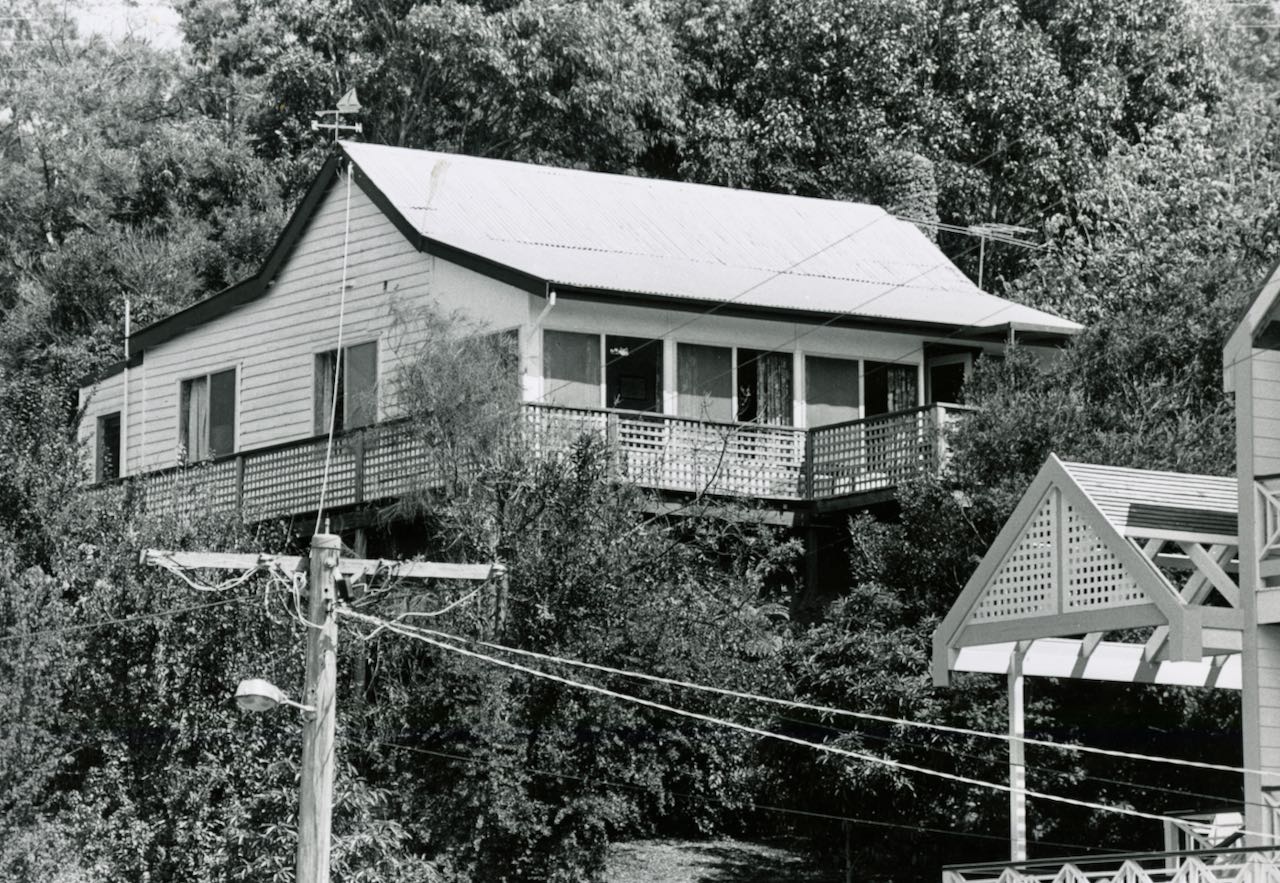
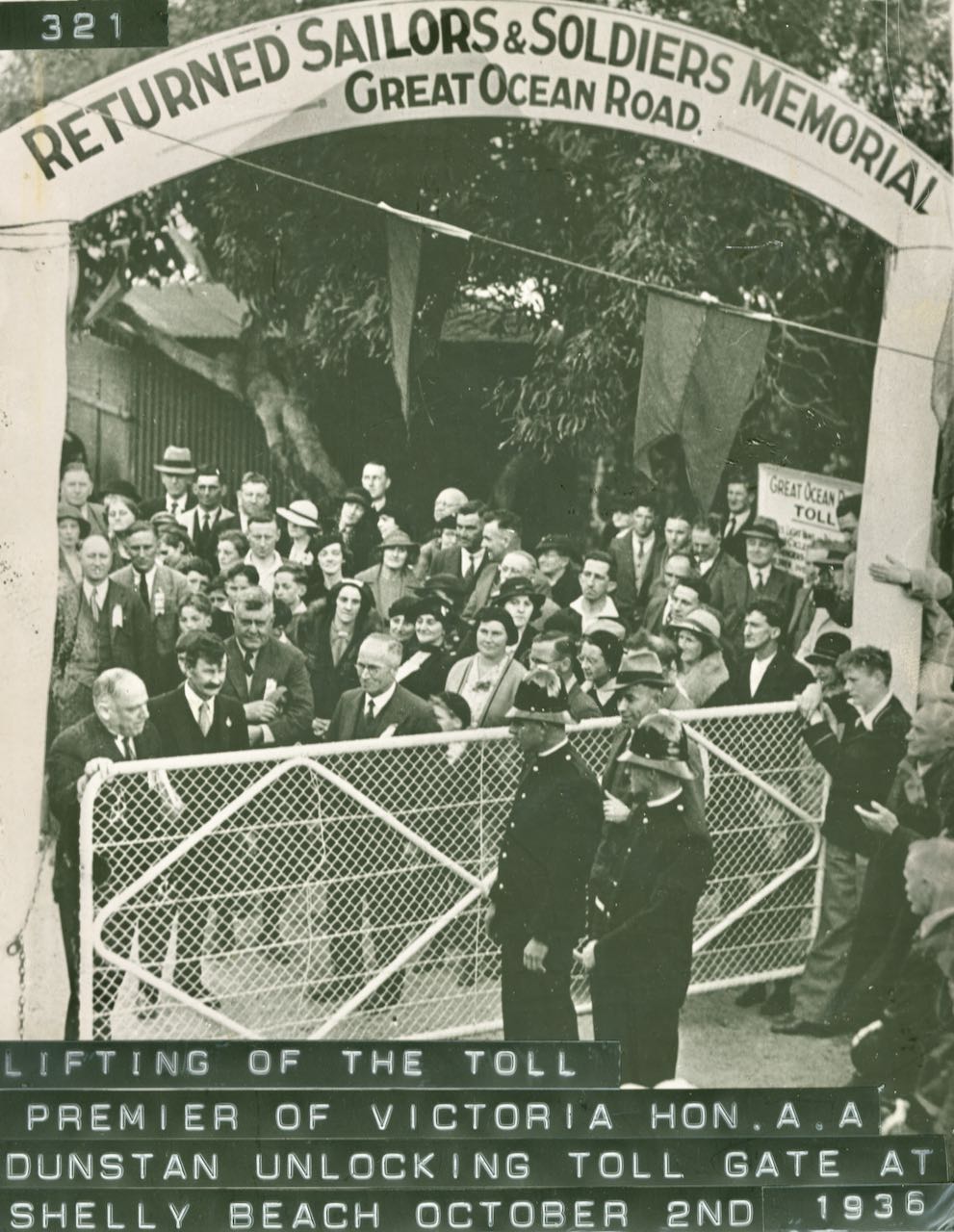
The toll was finally lifted on the 2nd October 1936 by the Premier of Victoria, Mr Albert Dunstan. The “Toll House” is now “Toll Gate Cottage” at 4 Minapre Street, Lorne.
On 26th November 1932 the Great Ocean Road was officially opened to Apollo Bay and to its completion to link up with the Princes Highway at Warrnambool. During the construction of the Great Ocean Road there were no known recorded deaths. The Trust funded the road as far as Cape Patton and the Country Roads Board (later Vic Roads) funded it from Cape Patton to Apollo Bay. The Country Roads Board were the overseers of the entire road.
The Eastern View Golf Links opened the day the toll was lifted in 1936. Play cost 1/6 for 9 holes and 3/6 all day.
-
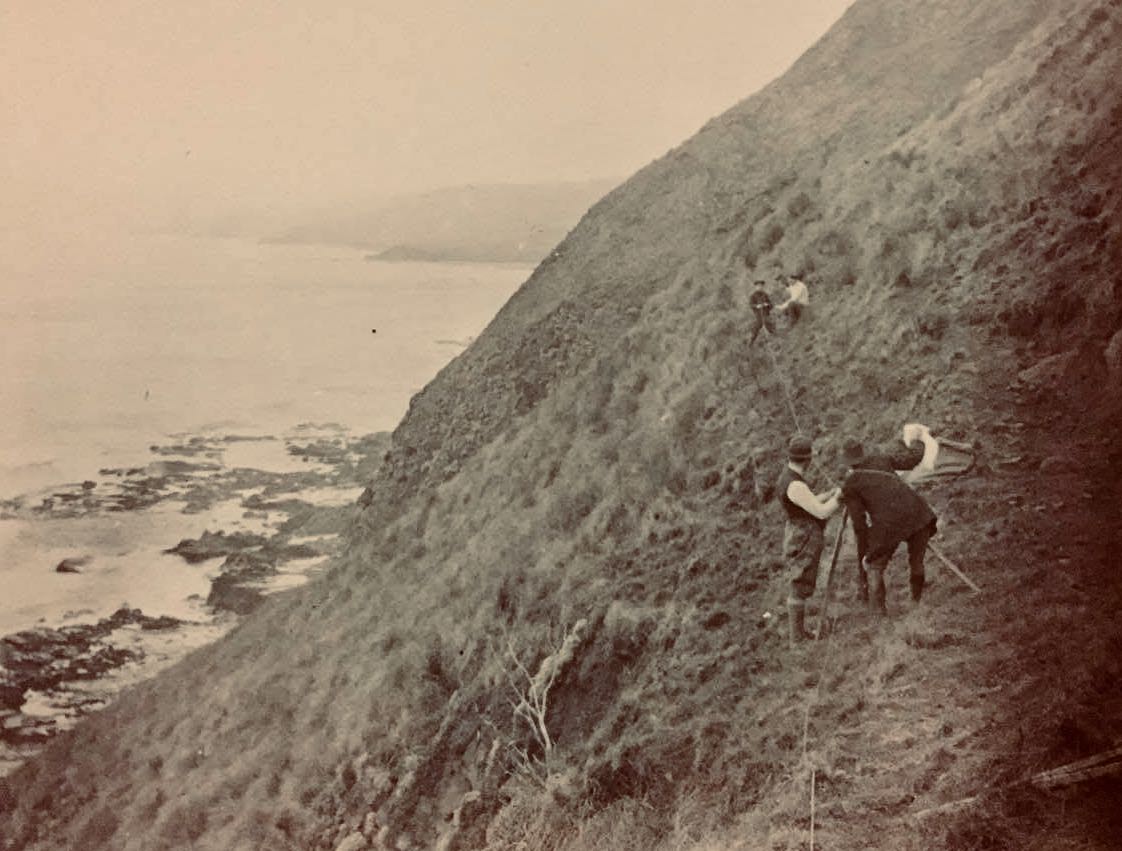
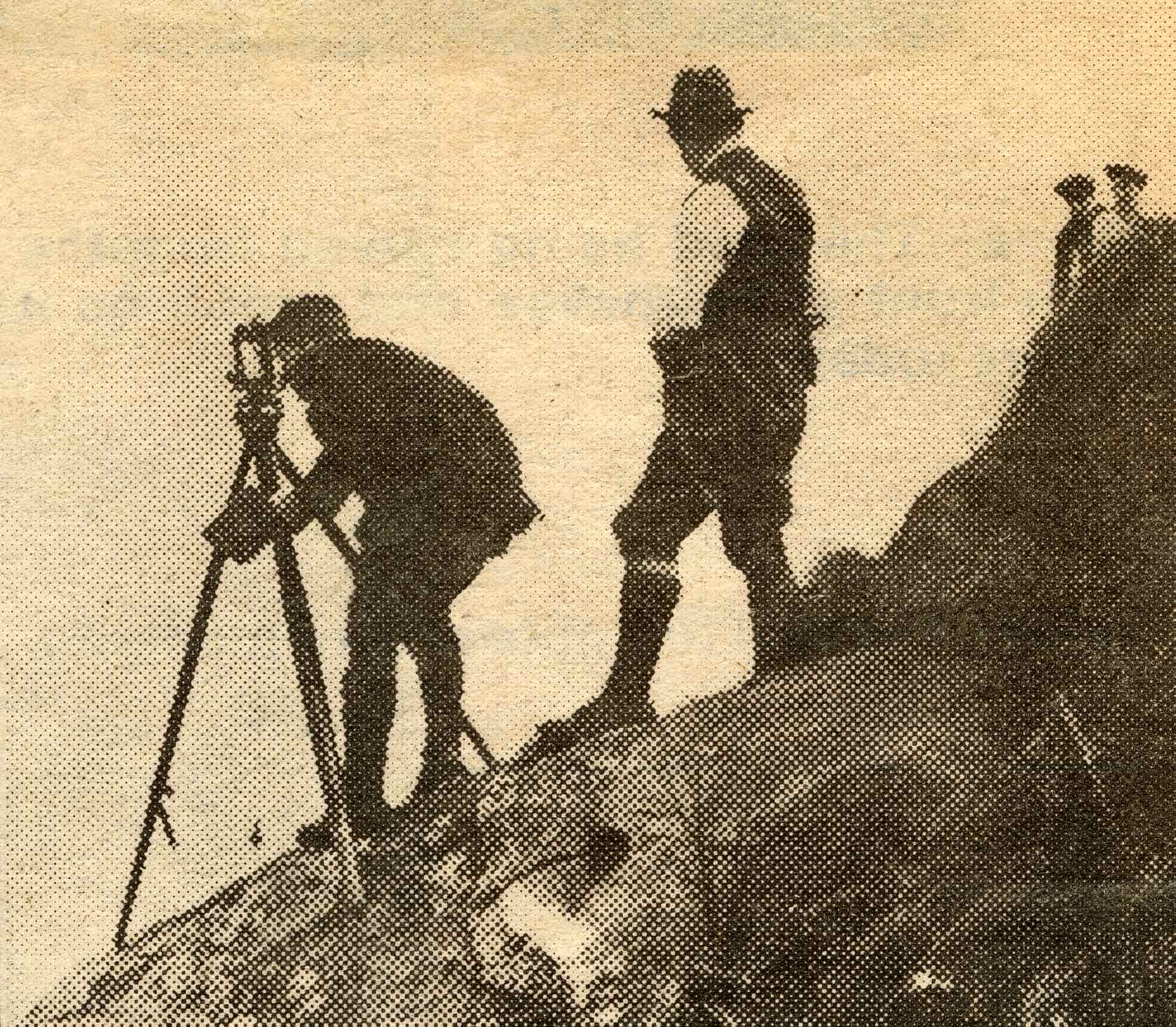
- c1919, Surveying the Great Ocean Road.
-
- (LHS photo 0029)
-
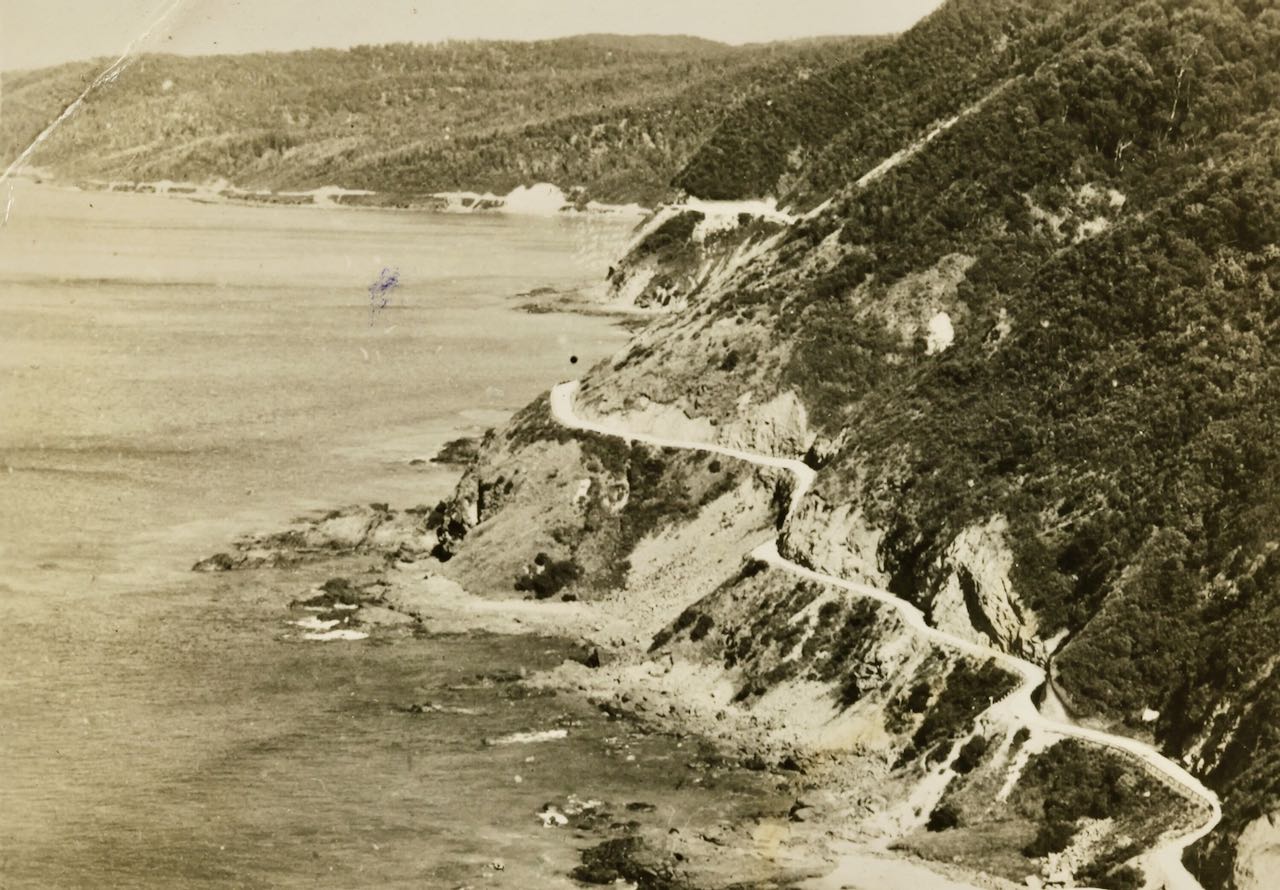
- Great Ocean Road. W. Anderson photo from Melbourne Museum collection
-
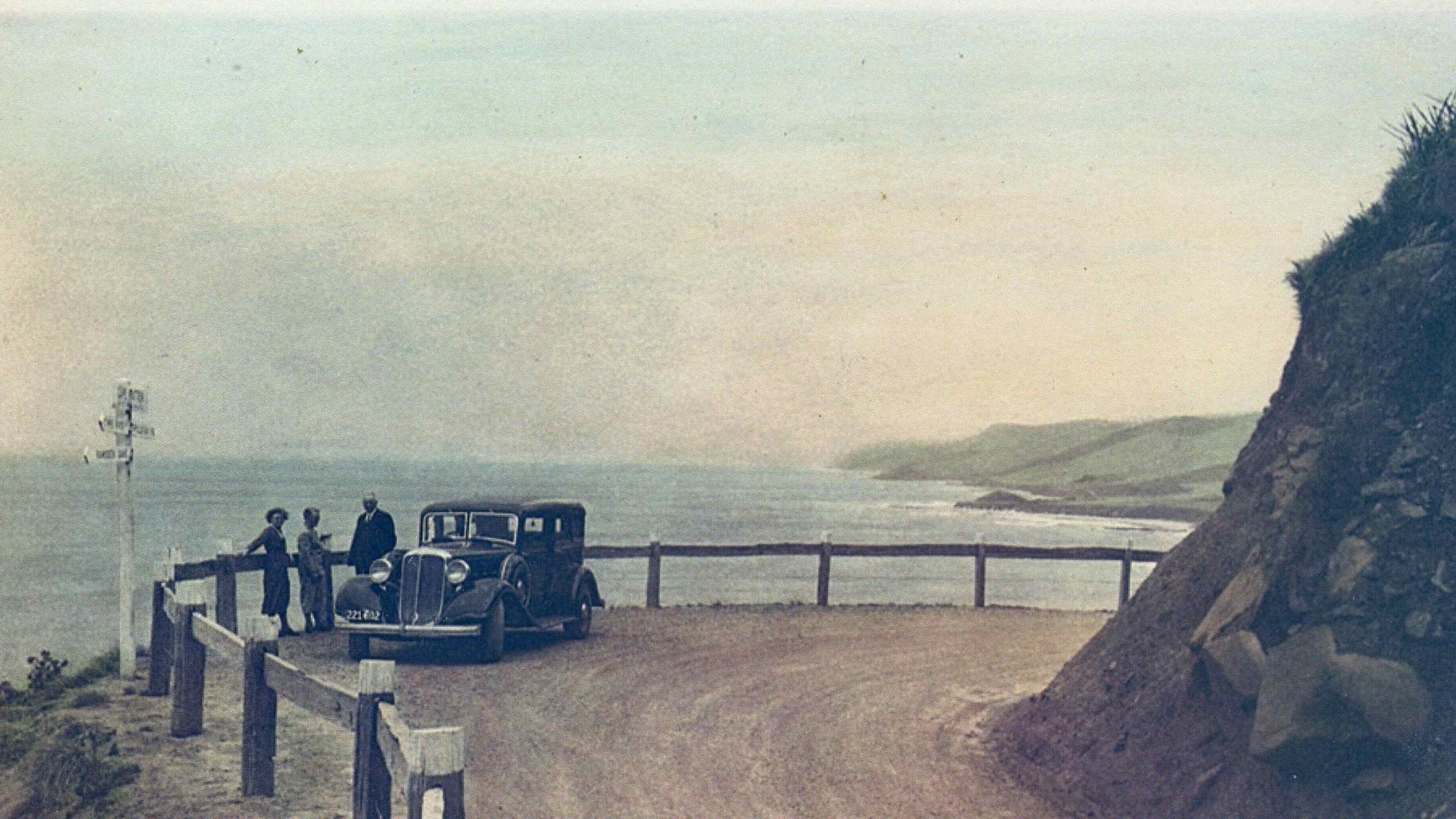
- c1930s, Cape Patton. (Photo by Charles Daniel Pratt)
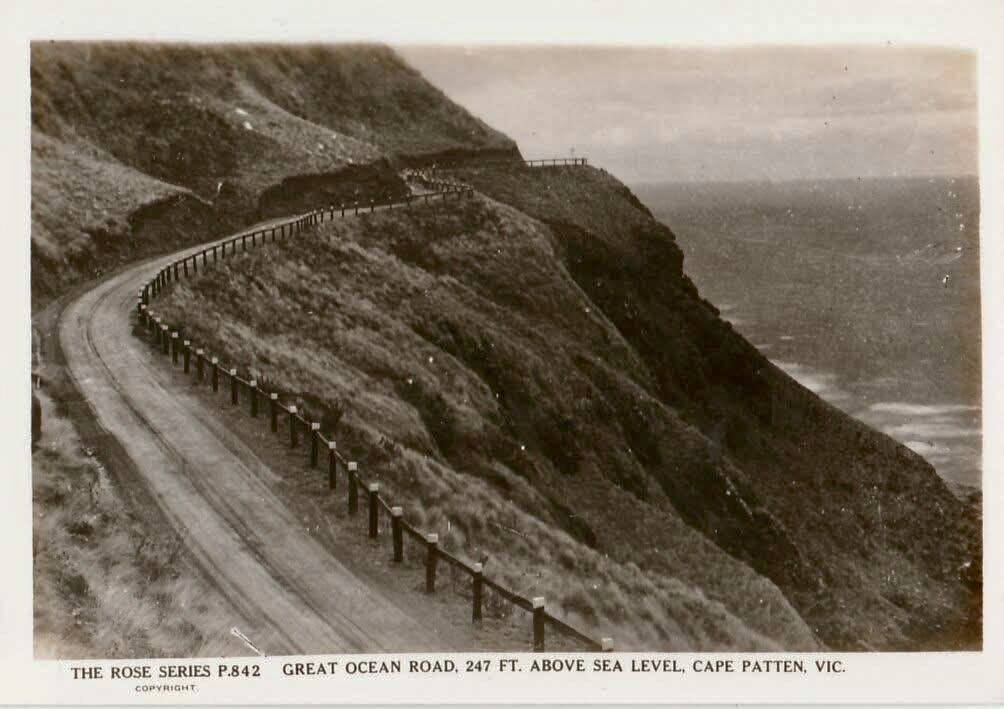
A Bold Plan
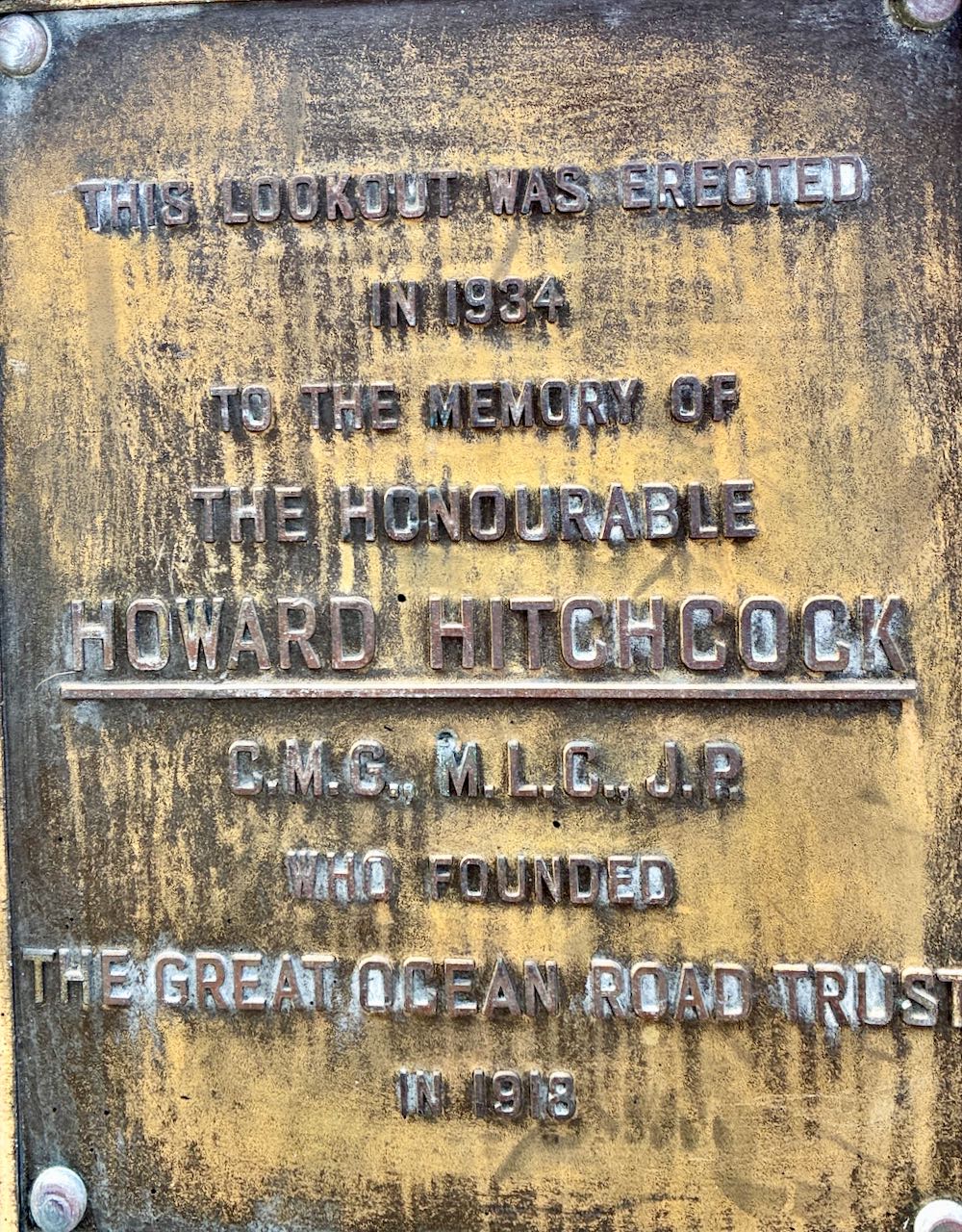
The Great Ocean Road Trust was founded in 1917 by it Chairman and Mayor of Geelong, Councillor Howard Hitchcock. The Great Ocean Road was first planned towards the end of the First World War, when chairman of the Country Roads Board William Calder asked the State War Council for funds to be provided for returned soldiers to work on roads in sparsely populated areas in the Western District.
By the time of World War One, the rugged south-west coast of Victoria was accessible only by sea or rough bush track. Besides being dedicated as a memorial, it was also envisaged that the road would connect isolated settlements on the coast and become a vital transport link for the timber industry and tourism.
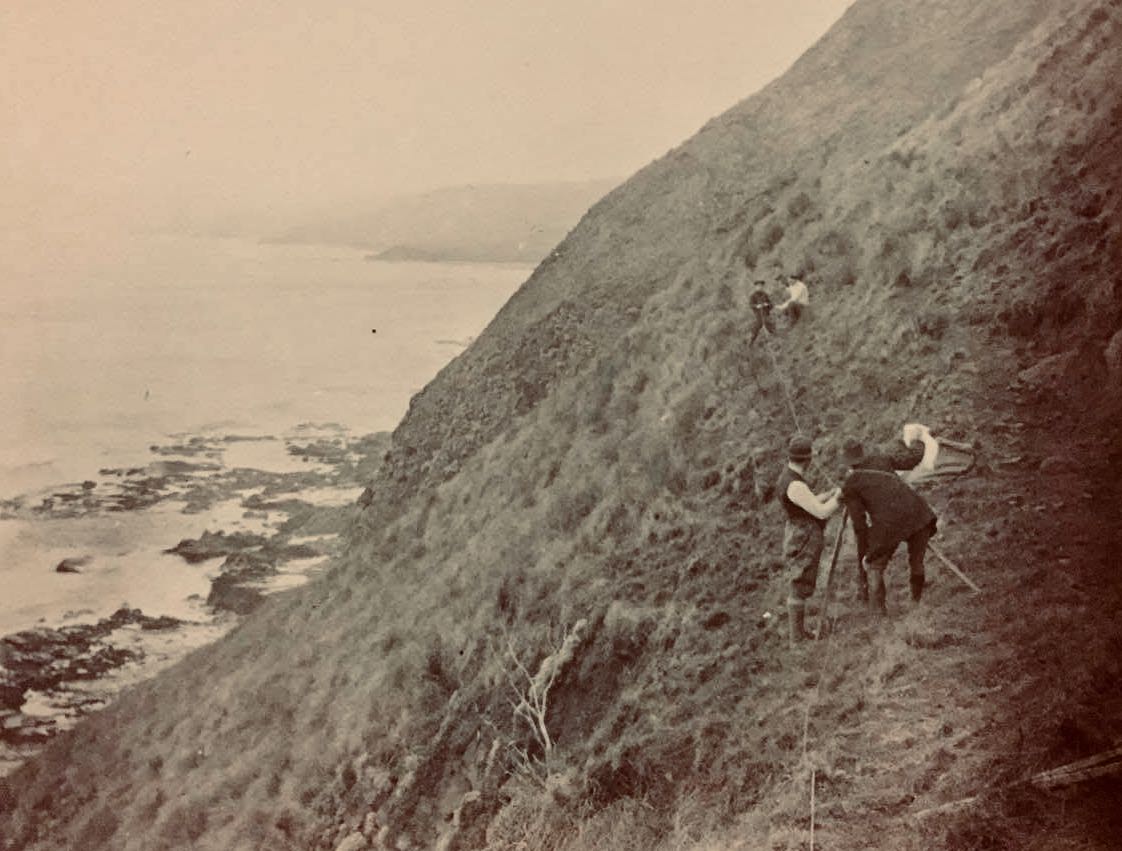
c1919, Surveying the Great Ocean Road.
Surveying for the road, tentatively titled the South Coast Road, started in 1918, with the road suggested to travel from Barwon Heads, follow the coast west around Cape Otway, and end near Warrnambool. In 1918, the Great Ocean Road Trust was formed as a private company under the helm of president Howard Hitchcock. The company managed to secure £81,000 in capital from private subscription and borrowing, with Hitchcock himself contributing £3000. Money would be repaid by charging drivers a toll until the debt was cleared, and the road would then be gifted to the state.
Construction Effort
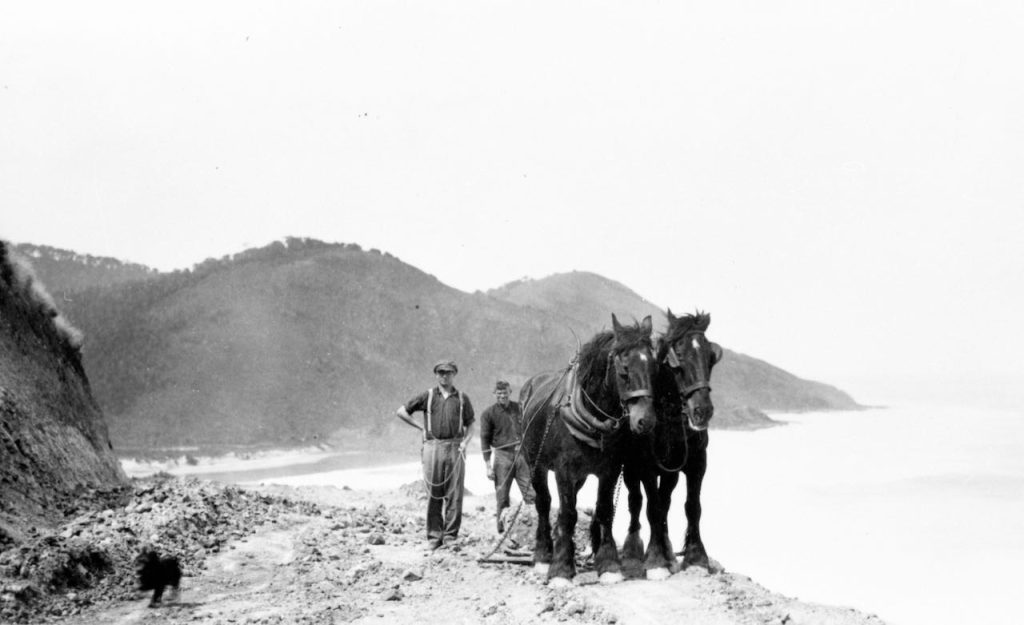
Construction of The Great Ocean Road. (State Library Victoria)
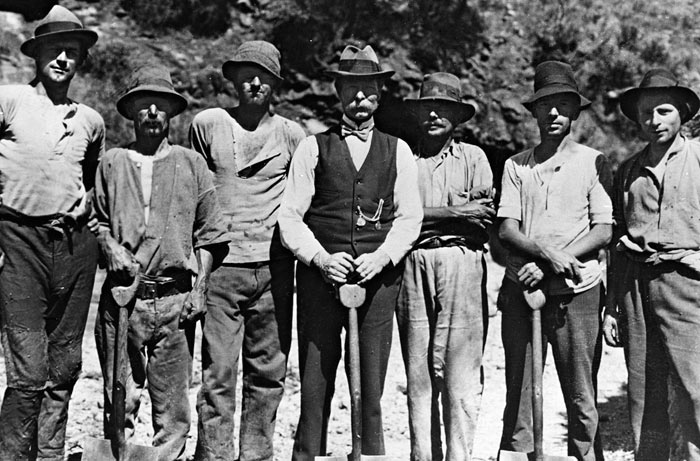
-
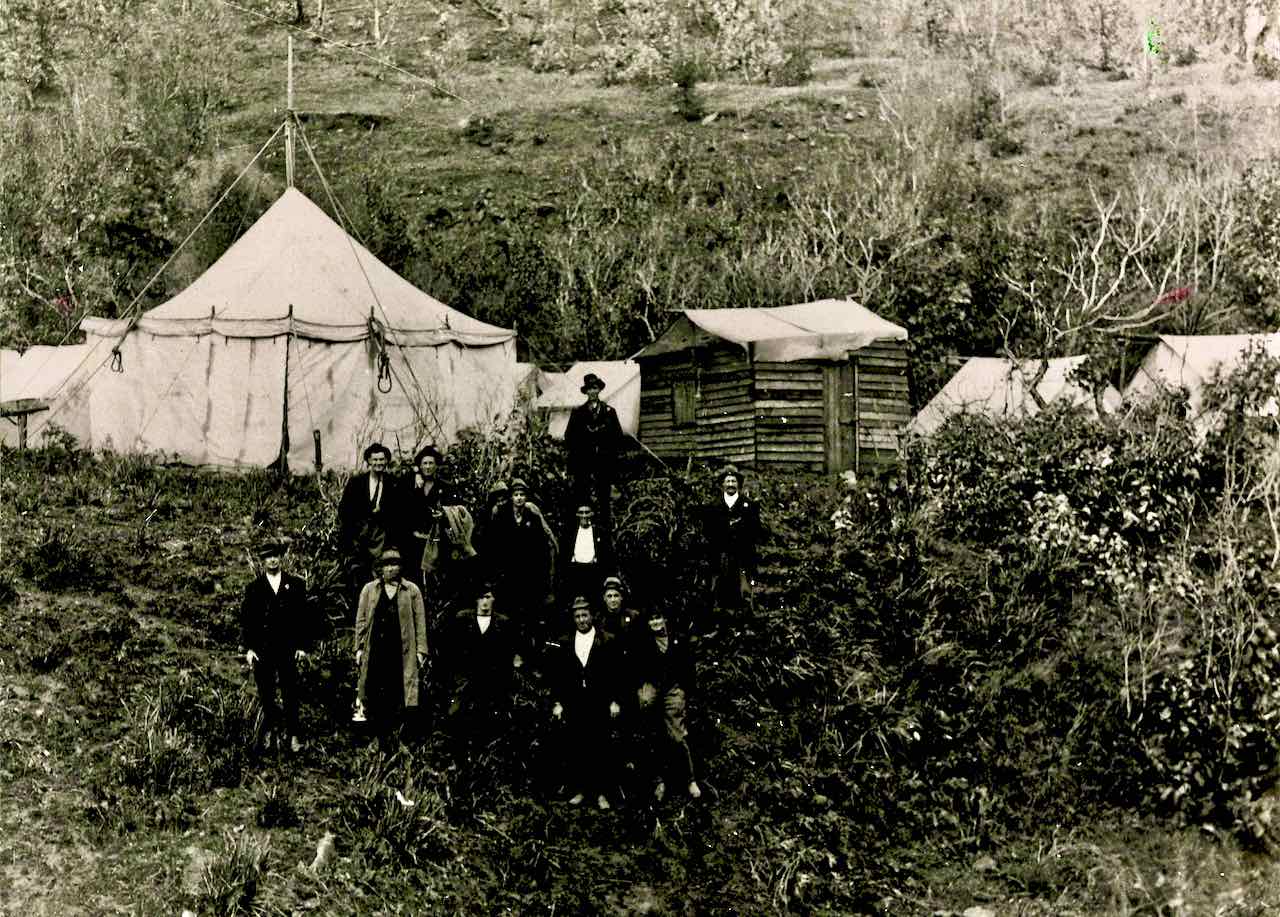
- The workers camp at Big Hill creek in 1920, overseer B Bridges.
-
- Eastern View – Powder Monkeys at work at the Devil’s Elbow in 1920
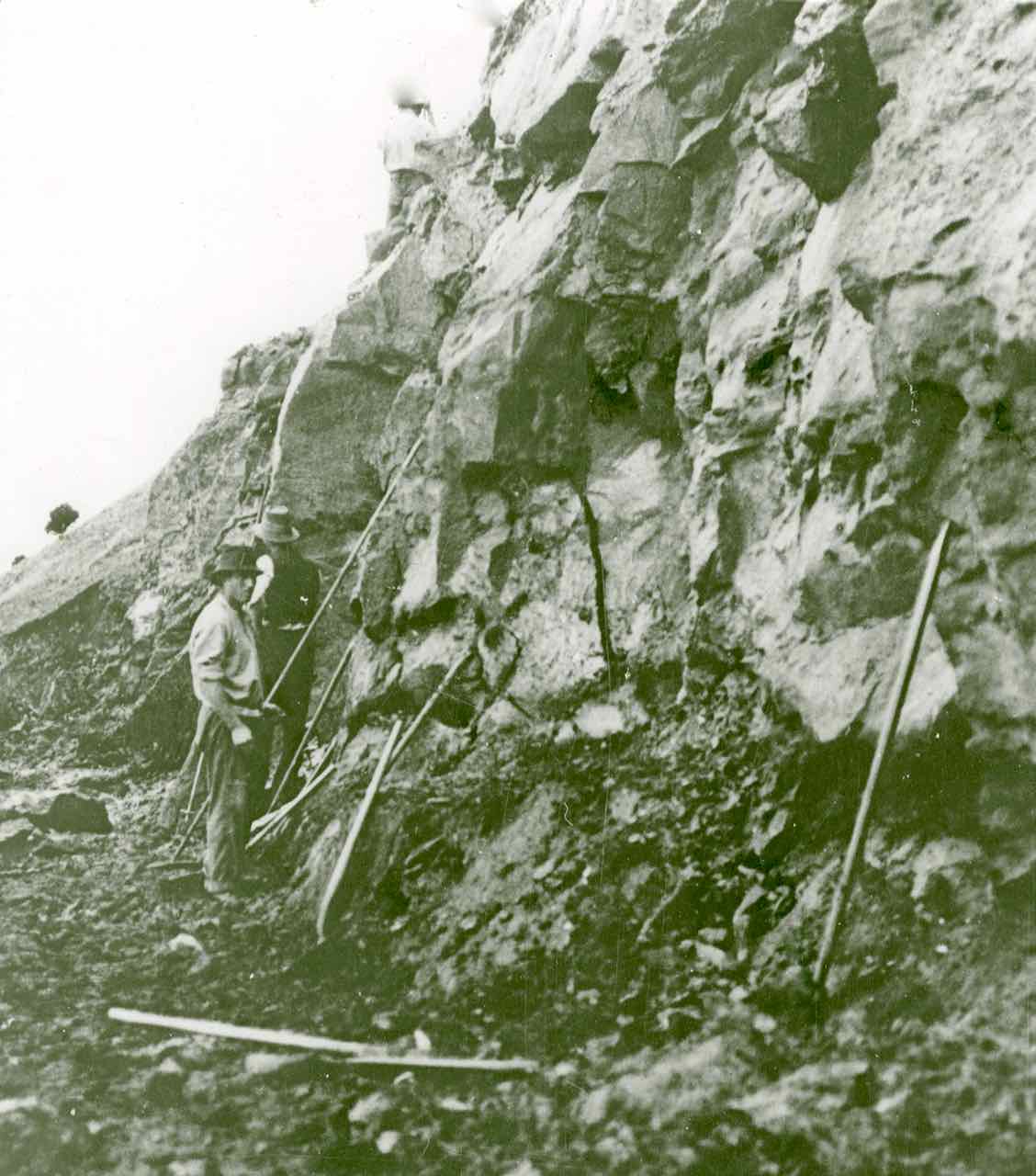
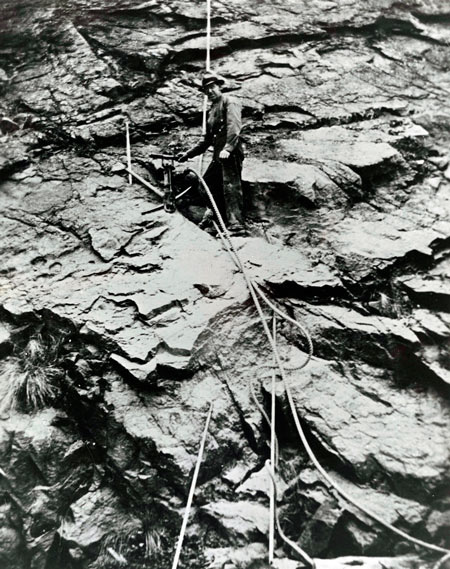
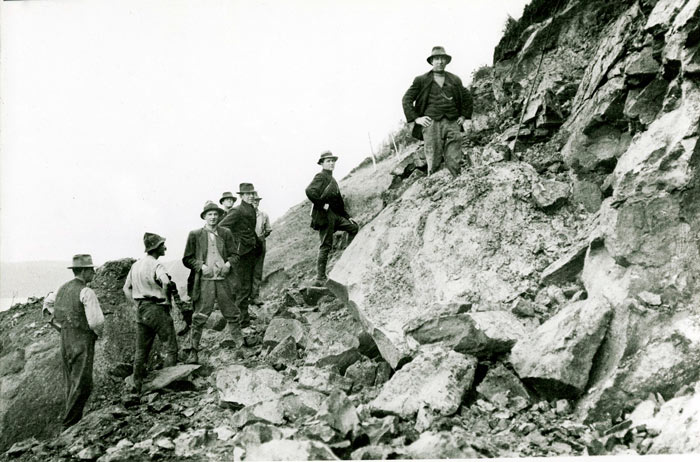
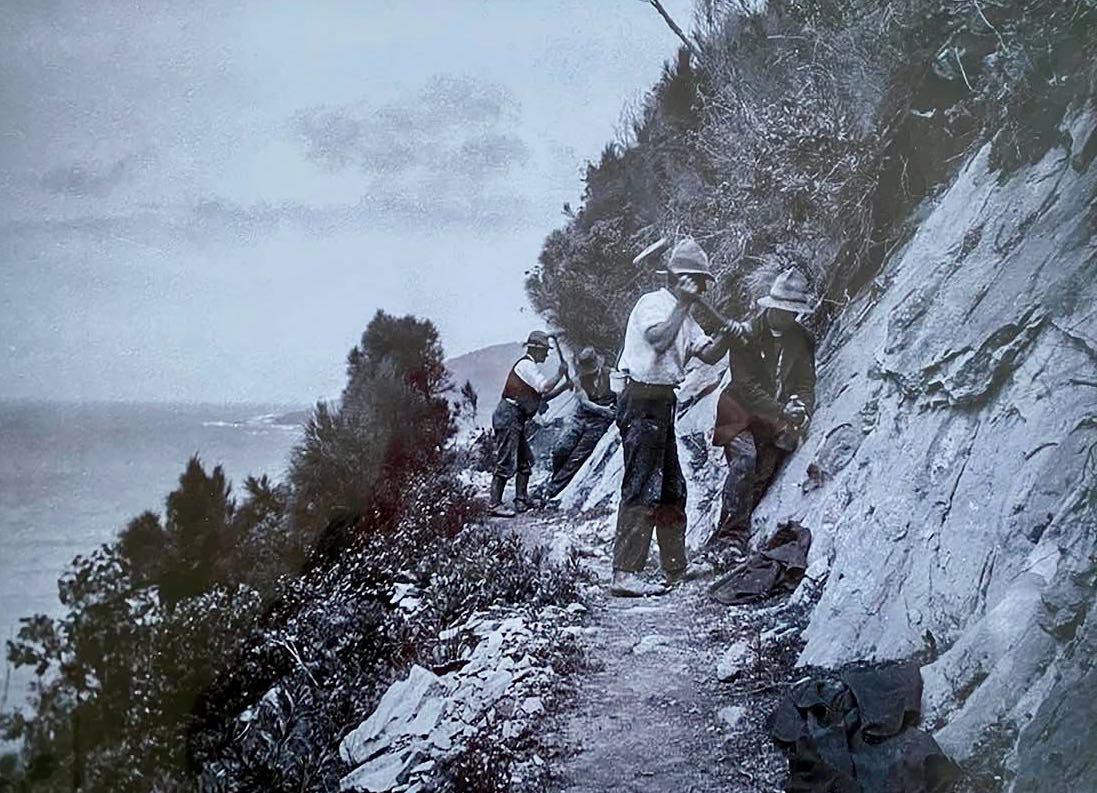
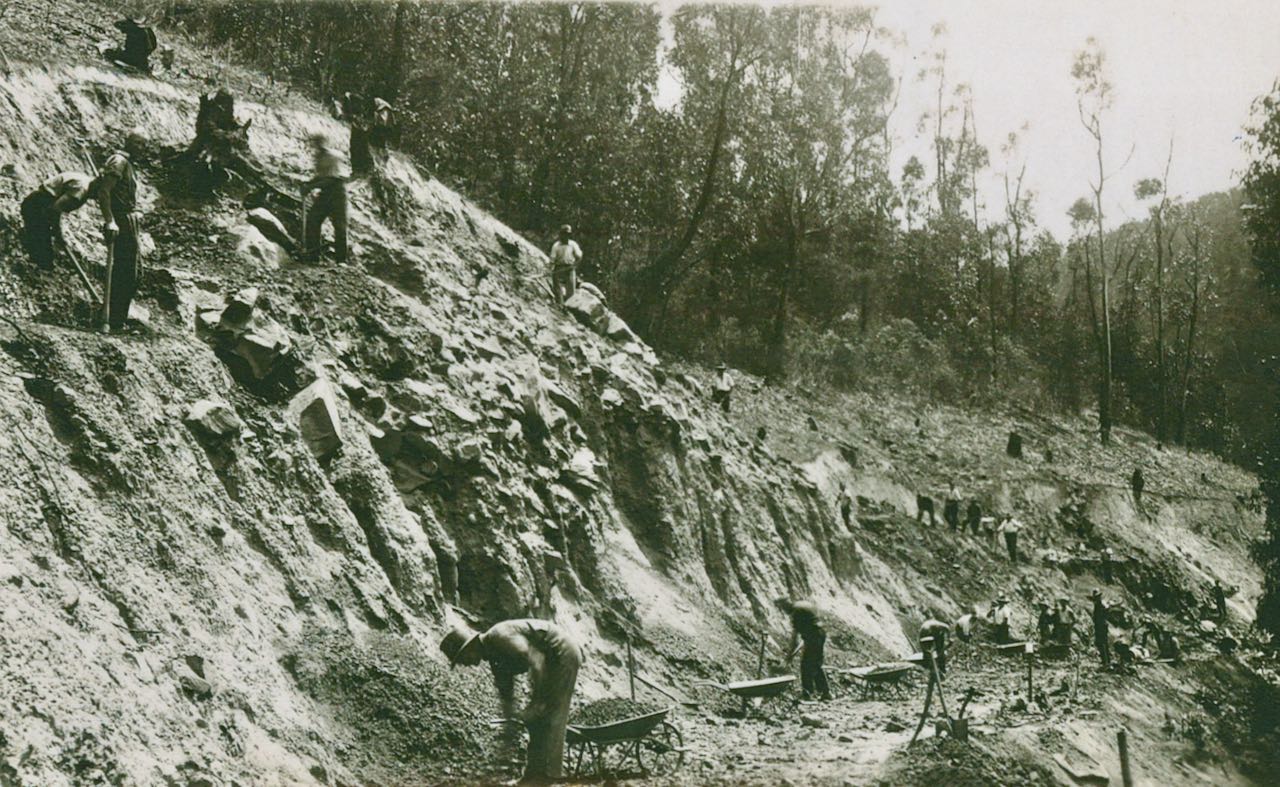
Great Ocean Road, preparing for blasting, Big Hill area. (LHS photo 5792)
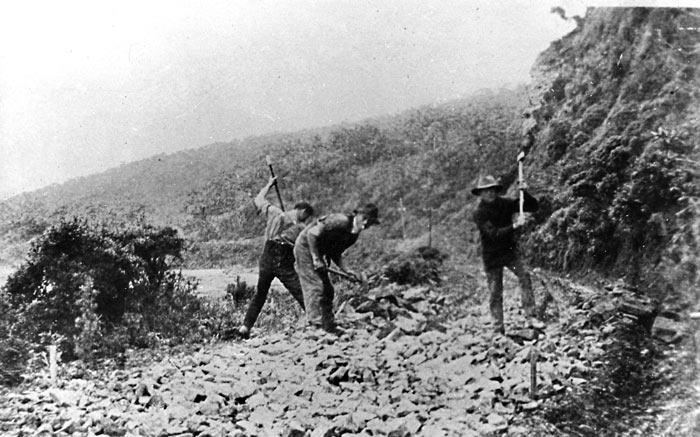
Construction on the road began on September 19, 1919, built by approximately 3000 returned servicemen as a war memorial for fellow servicemen who had been killed in World War One. An advance survey team progressed through dense wilderness at approximately three kilometres a month. Construction was done by hand using explosives, pick and shovel, wheelbarrows and some small machinery, and was at times perilous, with several workers killed on the job.
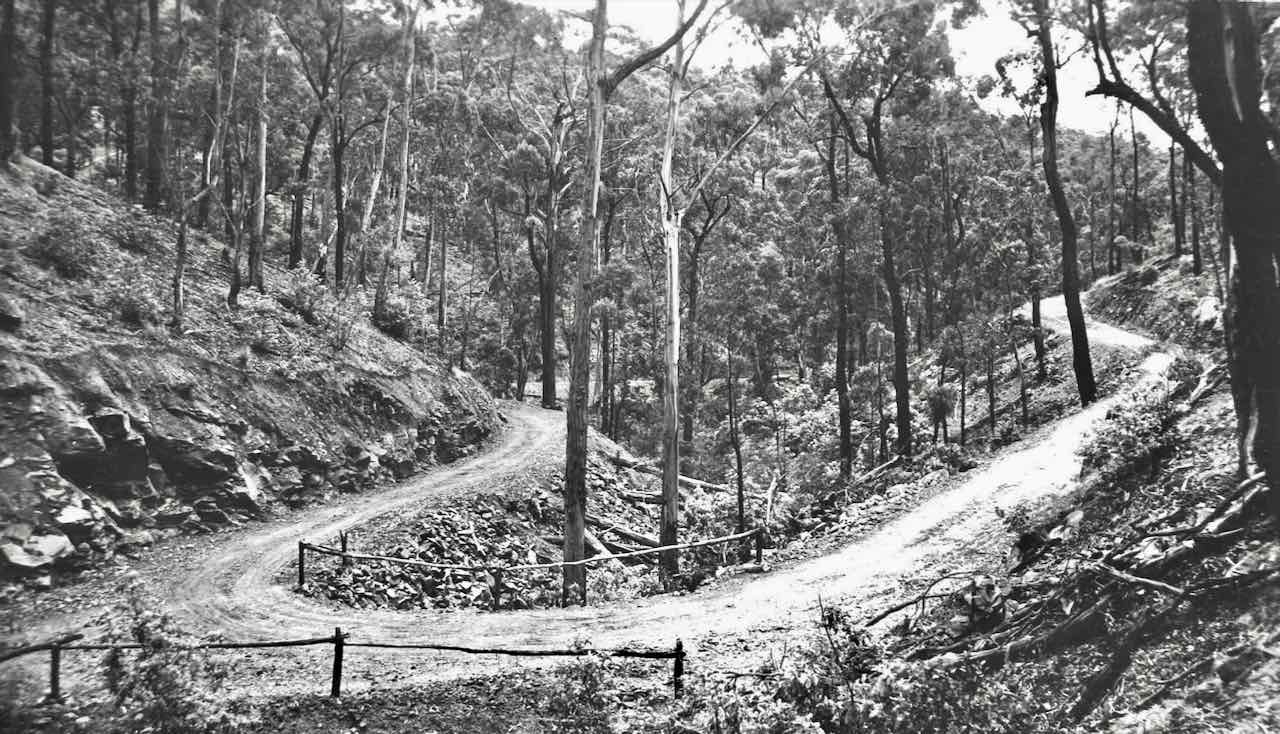
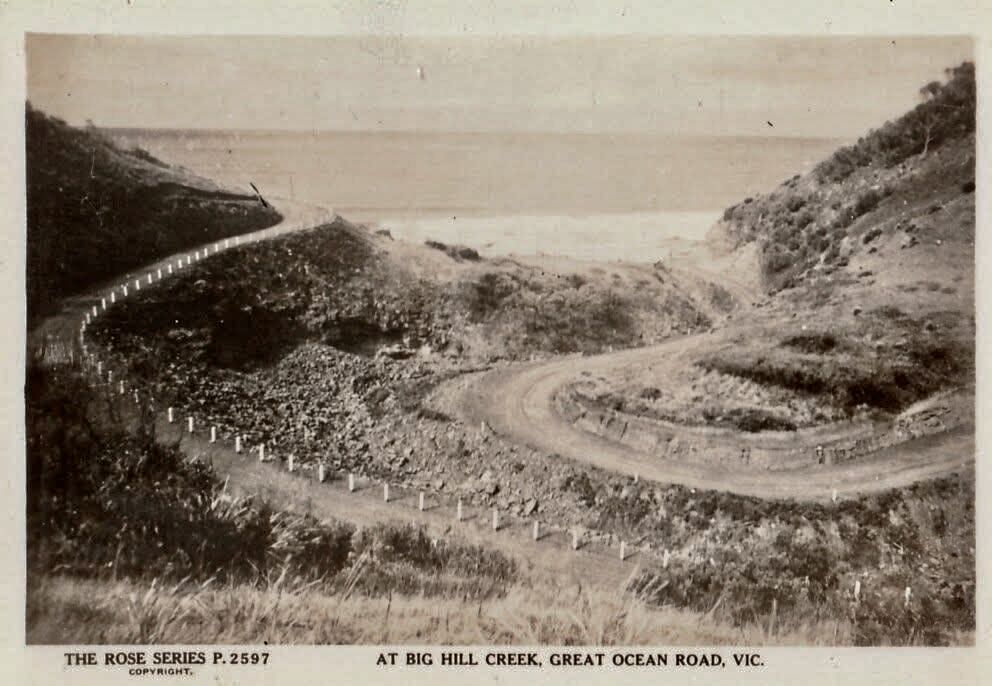
1921 The Great Ocean Road at Big Hill. Rose Series postcard, part of PROV Collection, Anderson Creek
The Geat Ocean Road Trust opened up a subdivision of 140 allotments name the “Big Hill Estate” in 1924 to raise funds for the continue construction of the road. A guesthouse called Iluka was built on the new road, but burned down in 1926.
The final sections along steep coastal mountains were the most difficult to work on. Anecdotal evidence from ABC archives in 1982 suggested workers would rest detonators on their knees during travel, as it was the softest ride for them.
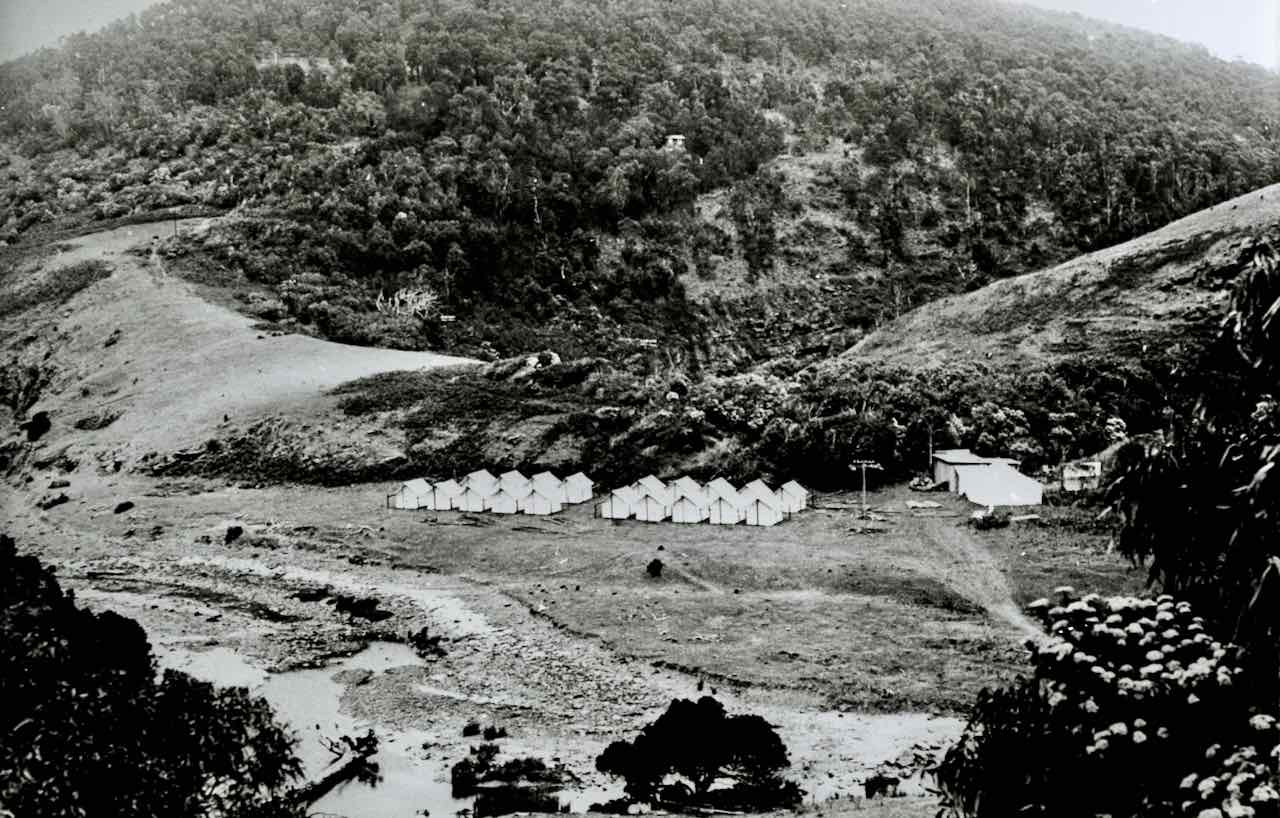
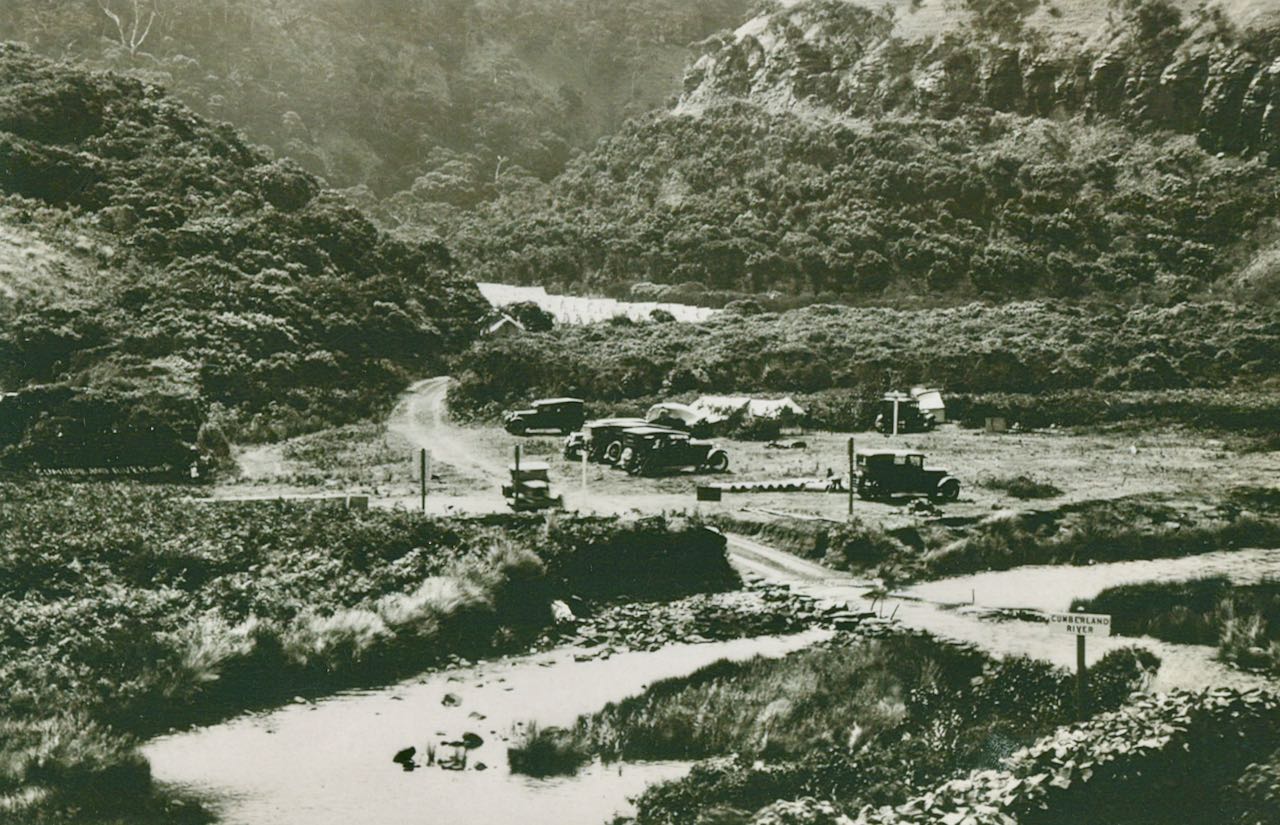
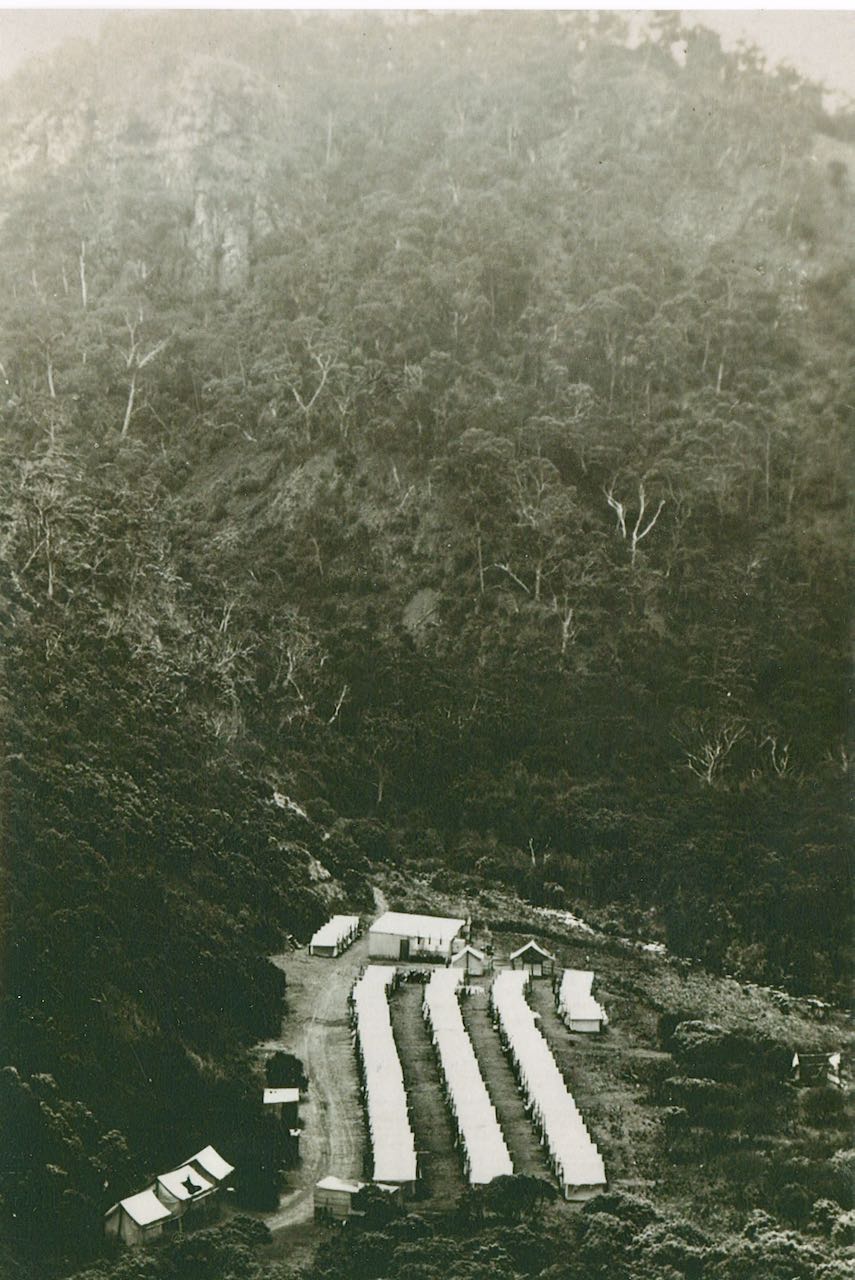
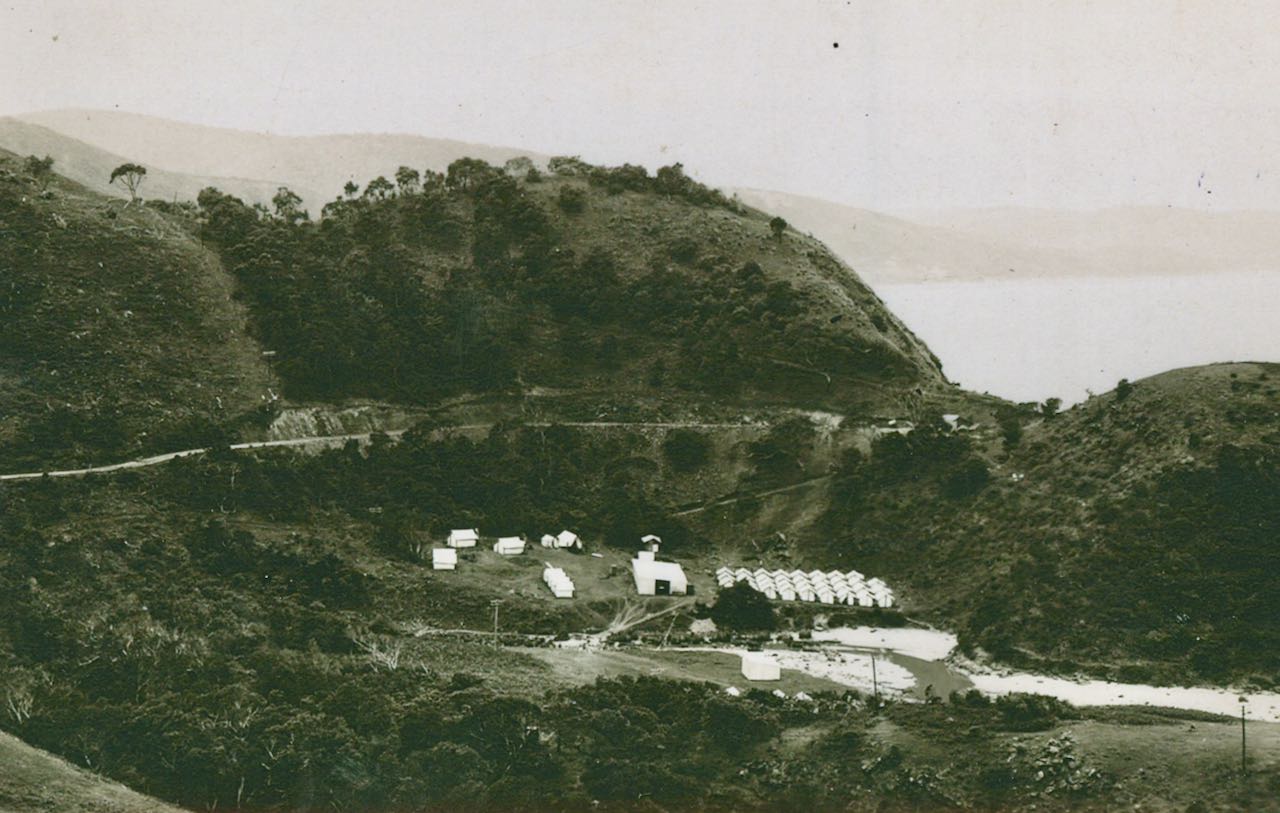
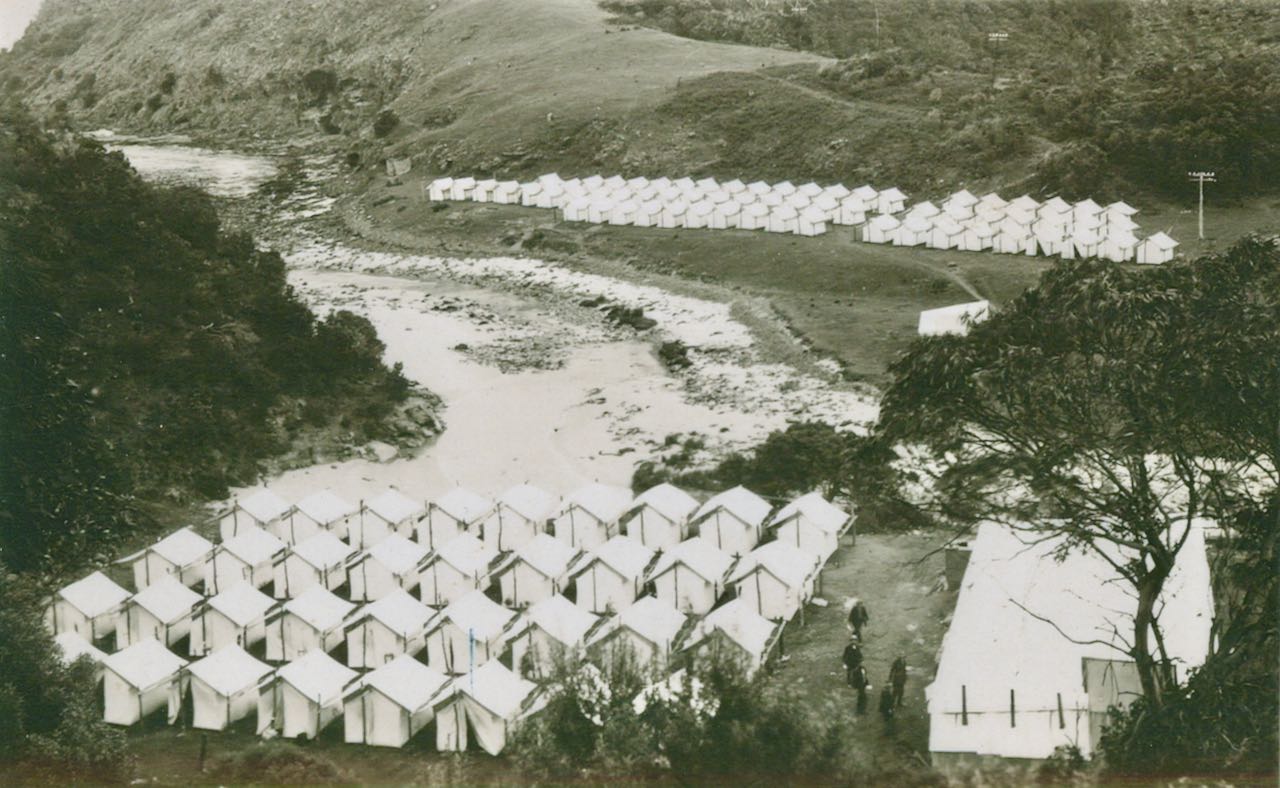
Great Ocean Road. Construction camp at Grassy Creek.
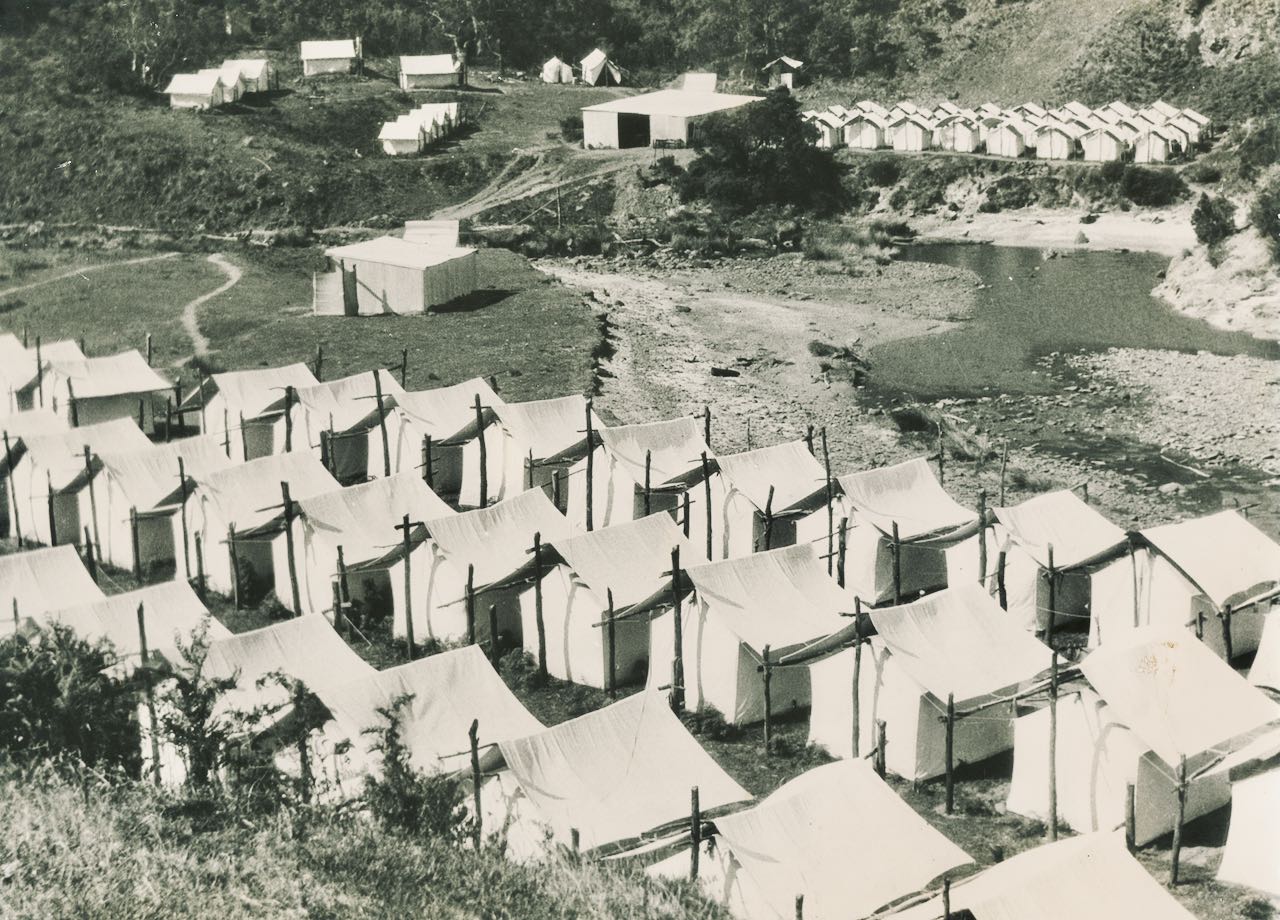
Camp at Grassy Creek. (LHS photo 0337A)
-
- Cumberland River (LHS photo Leslie Smith 1 of 8)
-
- (LHS photo Leslie Smith 2 of 8)
-
- Grassy Creek. (LHS photo Leslie Smith 3 of 8)
-
- (LHS photo Leslie Smith 4 of 8)
-
- (LHS photo Leslie Smith 5 of 8)
-
- (LHS photo Leslie Smith 6 of 8)
-
- (LHS photo Leslie Smith 7 of 8)
-
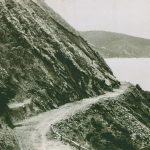
- (LHS photo Leslie Smith 8 of 8)
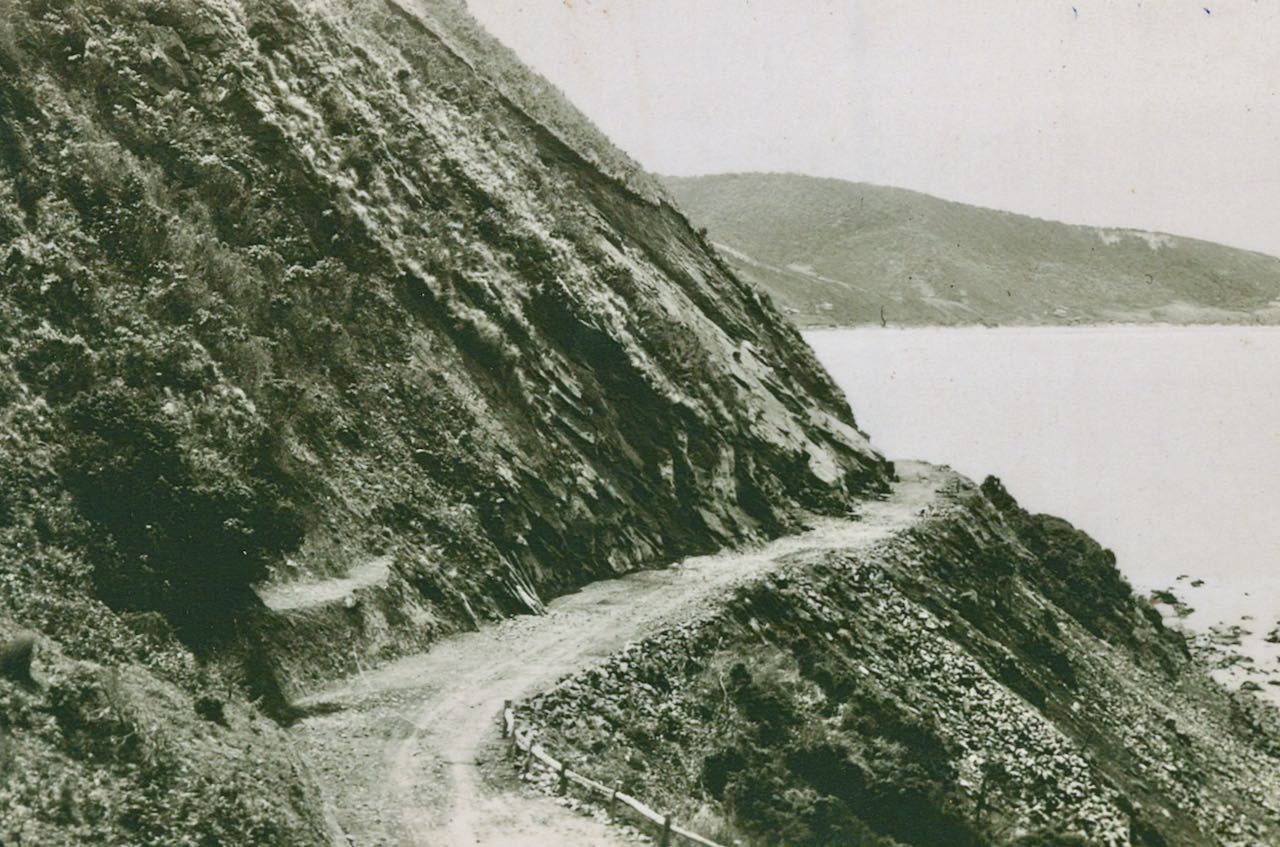
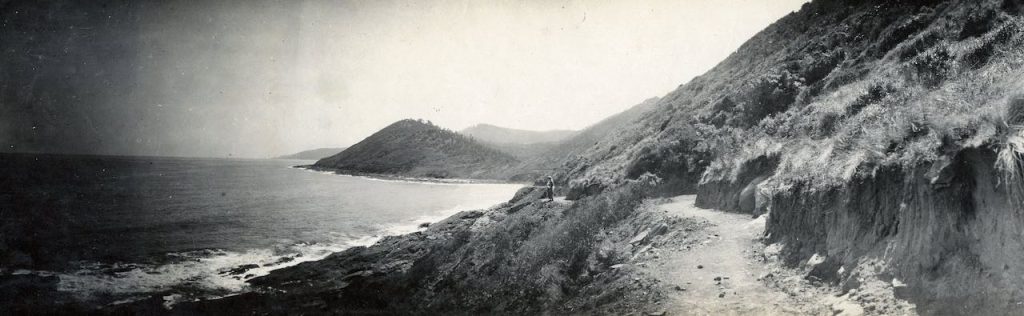
Near Sheoak Creek. (Photographer Herbert Dyce Murphy, photo courtesy of Andrew Clarke)
The soldiers were paid 10 shillings and sixpence for eight hours per day, also working a half-day on Saturdays. They used tents for accommodation and made use of a communal dining marquee and kitchen; food costing up to 10 shillings a week. Despite the difficulty involved in constructing the road, the workers had access to a piano, gramophone, games, newspapers and magazines at the camps. Additionally, in 1924, the steamboat Casino became stranded near Cape Patton after hitting a reef, forcing it to jettison 500 barrels of beer and 120 cases of spirits. The workers obtained the cargo, resulting in an unscheduled two-week-long drinking break.
Completion and early usage
On March 18, 1922, the section from Eastern View to Lorne was officially opened with celebrations. However it was then closed from May 10, 1922, for further work; opening again on December 21 along with tolls to recoup construction costs. The charge, payable at Eastern View, was two shillings for motor cars, and 10 shillings for wagons with more than two horses.
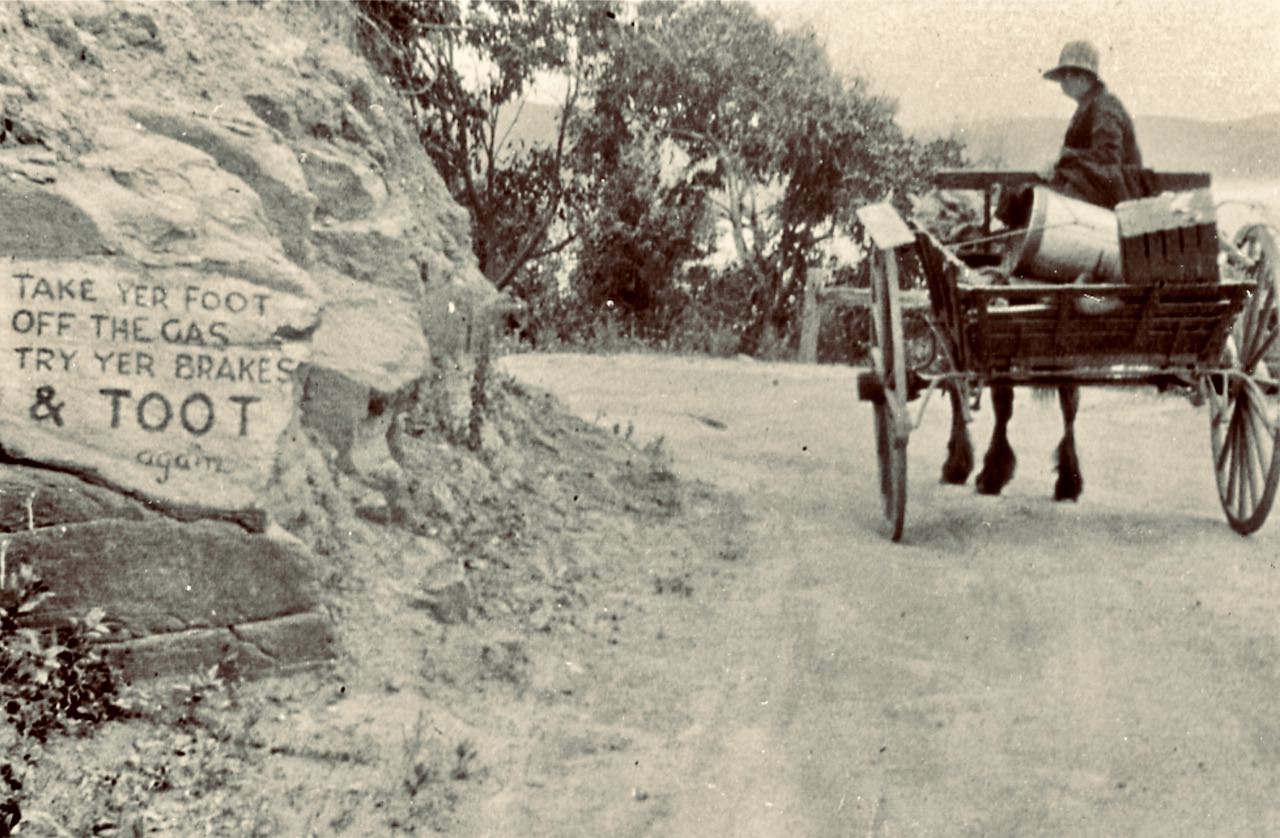
1923. (LHS photo CinemaPoint.jpg)
In November 1932, the section from Lorne to Apollo Bay was finished, bringing the road to completion. The road was officially opened with Victoria’s Lieutenant-Governor Sir William Irvine holding a ceremony near Lorne’s Grand Pacific Hotel, and the road subsequently being acknowledged as the world’s largest war memorial.
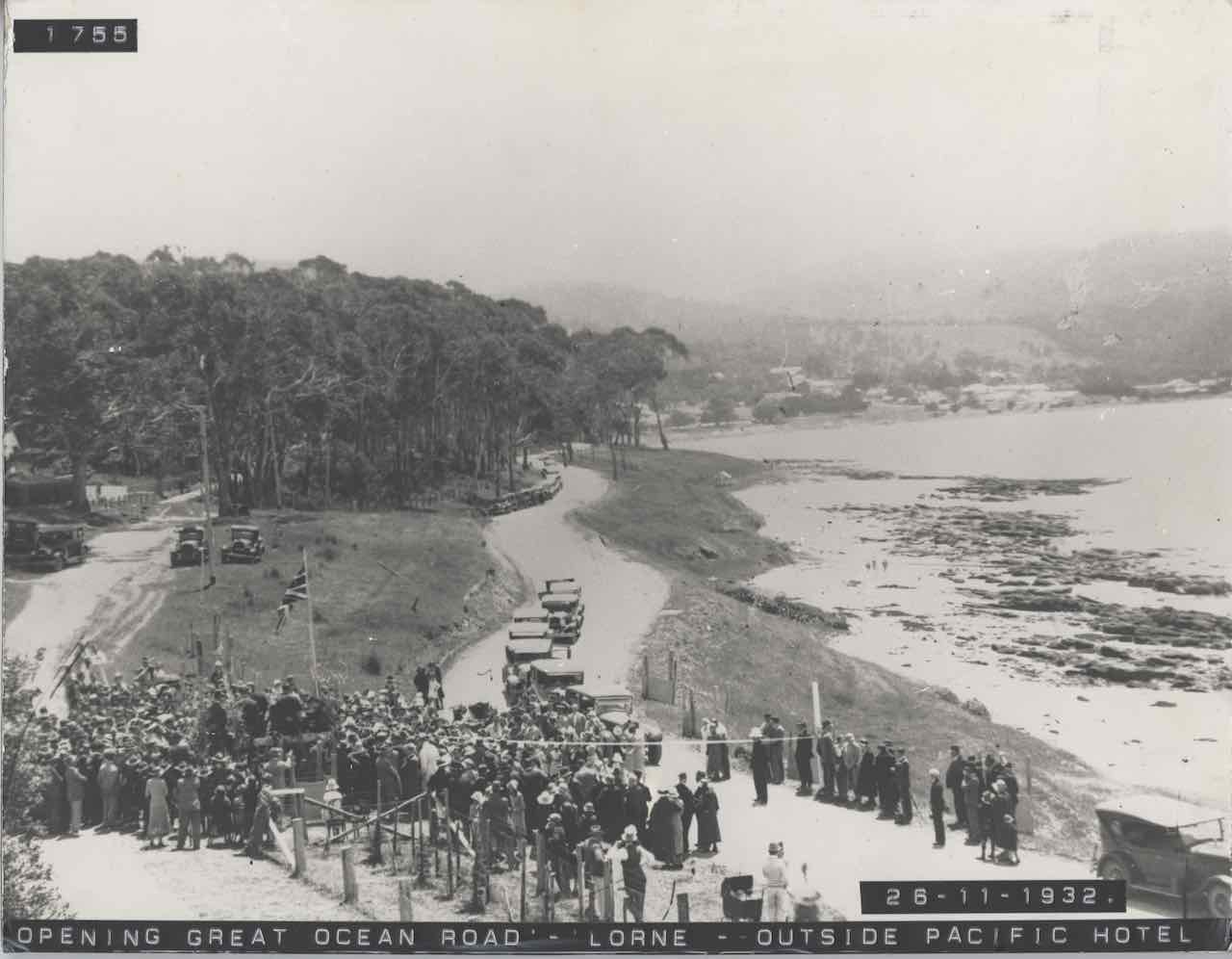
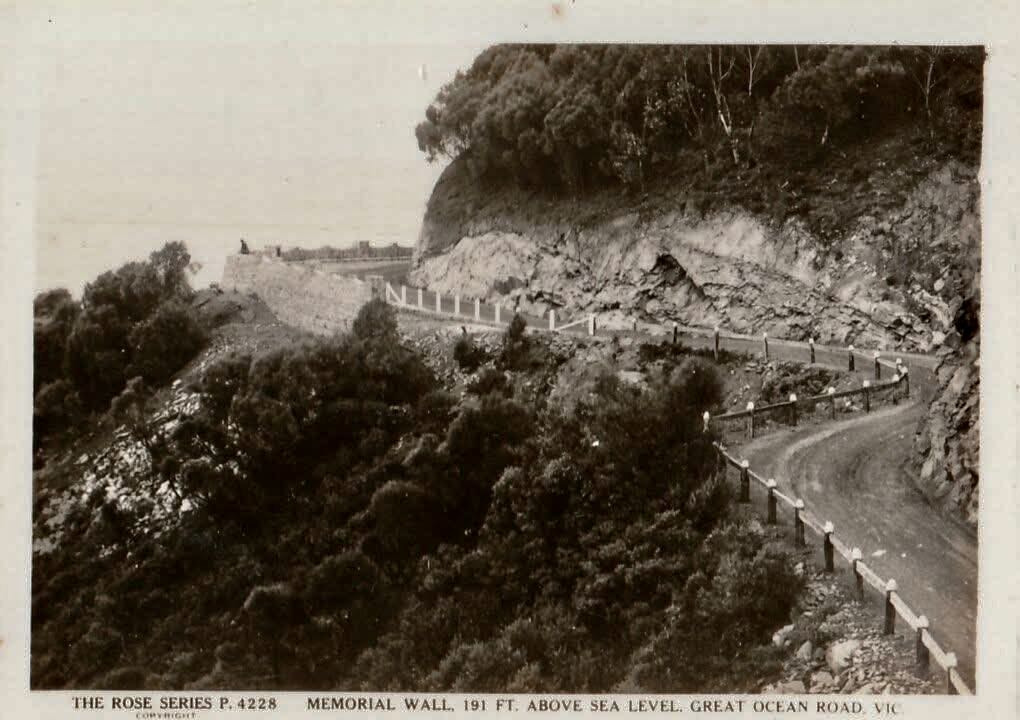
At the time, newspaper The Age commented: “In the face of almost insurmountable odds, the Great Ocean Road has materialised from a dream or ‘wild-cat scheme’, as many dubbed it, into concrete reality”. Hitchcock had however died of heart disease on August 22, 1932, before the road was completed, though his car was driven behind the governor’s in the procession along the road during the opening ceremony. A memorial was constructed in Hitchcock’s name on the road at Mount Defiance, near Lorne, and he is still affectionately considered the Father of the Road. In its original state, the road was considered a formidable drive, fitting only a single vehicle comfortably at a time. Areas with sheer cliffs would be most hazardous, with only few places for drivers to pull over to allow others to proceed in the opposite direction. On October 2, 1936, the road was handed to the State Government, with the deed for the road presented to the Victorian Premier at a ceremony at the Cathedral Rock toll gate. It was at this time that the tolls were also removed.
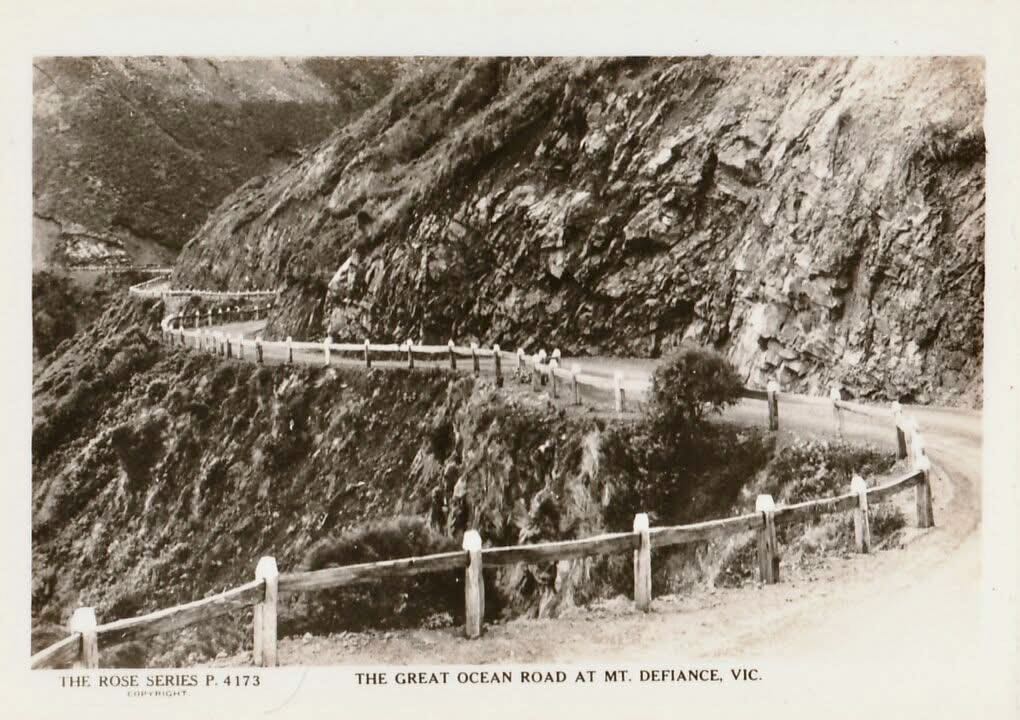
In 1962, the road was deemed by the Tourist Development Authority to be one of the world’s great scenic roads. It also had sections widened between the Lorne Hotel and the Pacific Hotel to improve traffic, while aiming to preserve its character. Despite improvements, the road was still considered a challenging drive, the Victorian Police motor school even using it for training around 1966.
Over its life, the Great Ocean Road has been susceptible to natural elements. In 1960 the section at Princetown was partially washed away by water during storms. It experienced landslides on August 11, 1964, and in 1971, both closing sections of the road near Lorne. Because of the terrain surrounding the road, it was also closed due to bushfires in 1962 and 1964; particularly in areas with nearby campsites. In January 2011 a section of the overhanging cliffs collapsed due to heavy rain. In 2011, the road was added to the Australian National Heritage List.
The Great Ocean Road story is the centrepiece of The Great Ocean Road Heritage Centre, at the Lorne Visitor Information Centre.
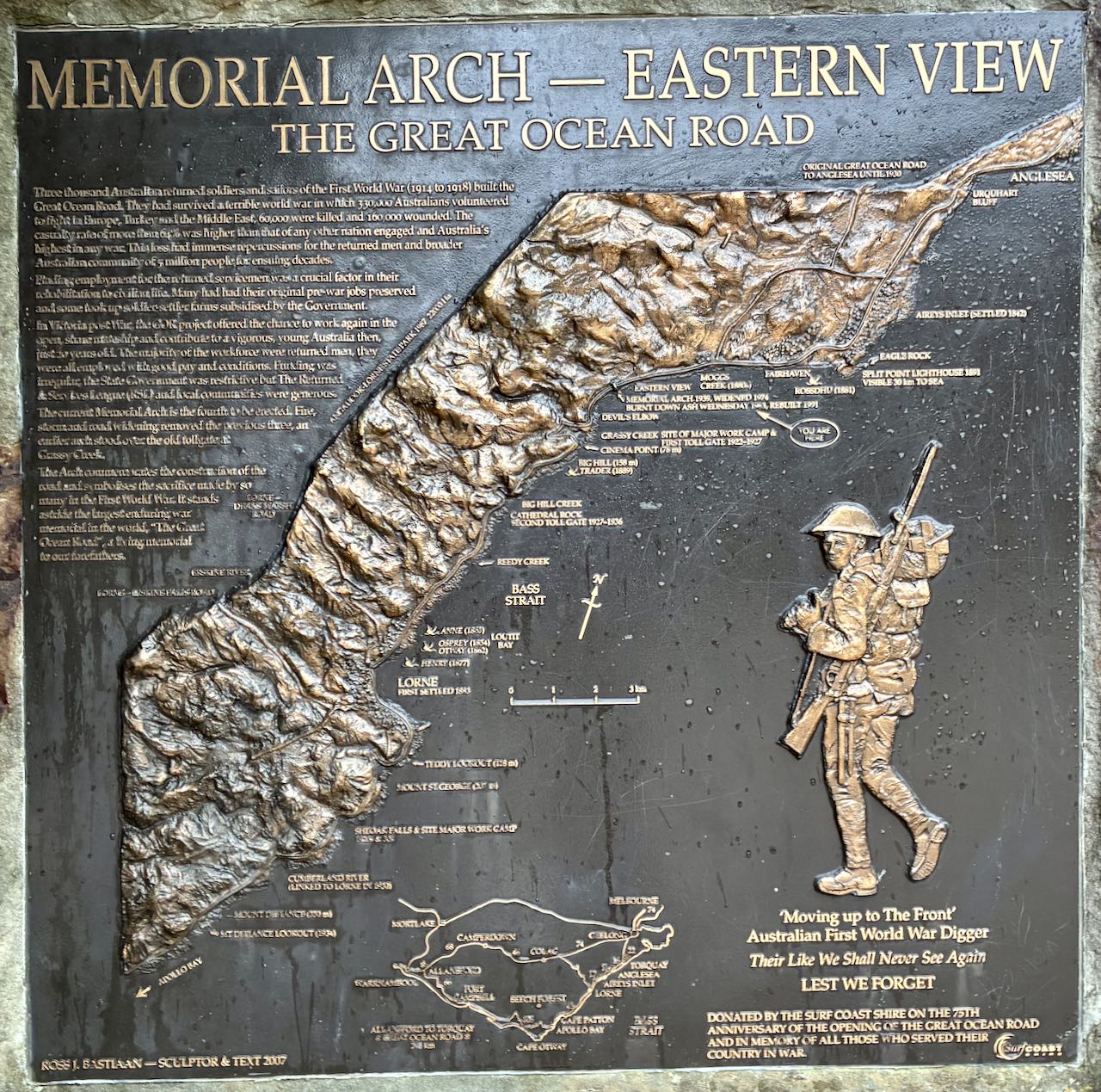
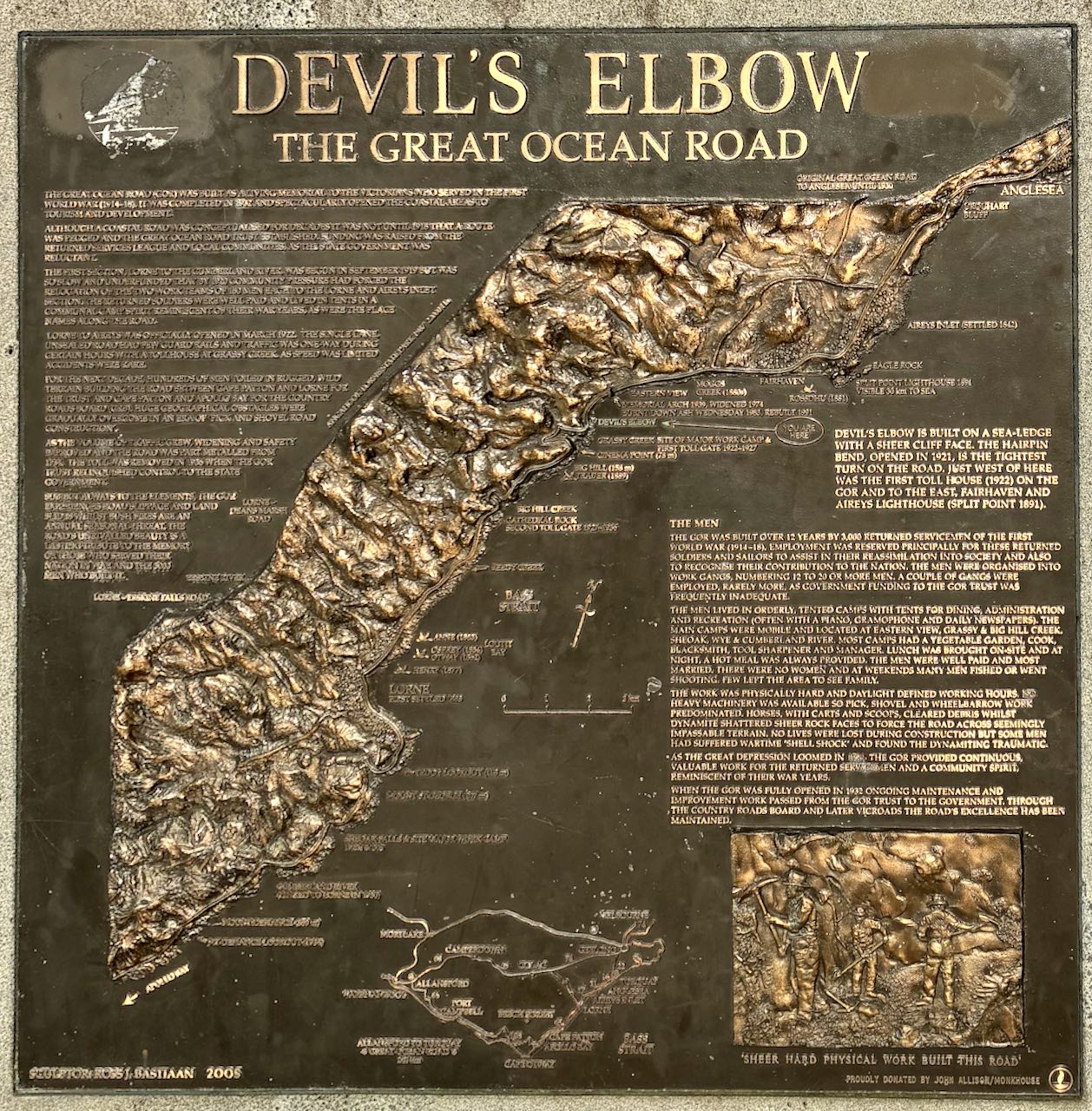
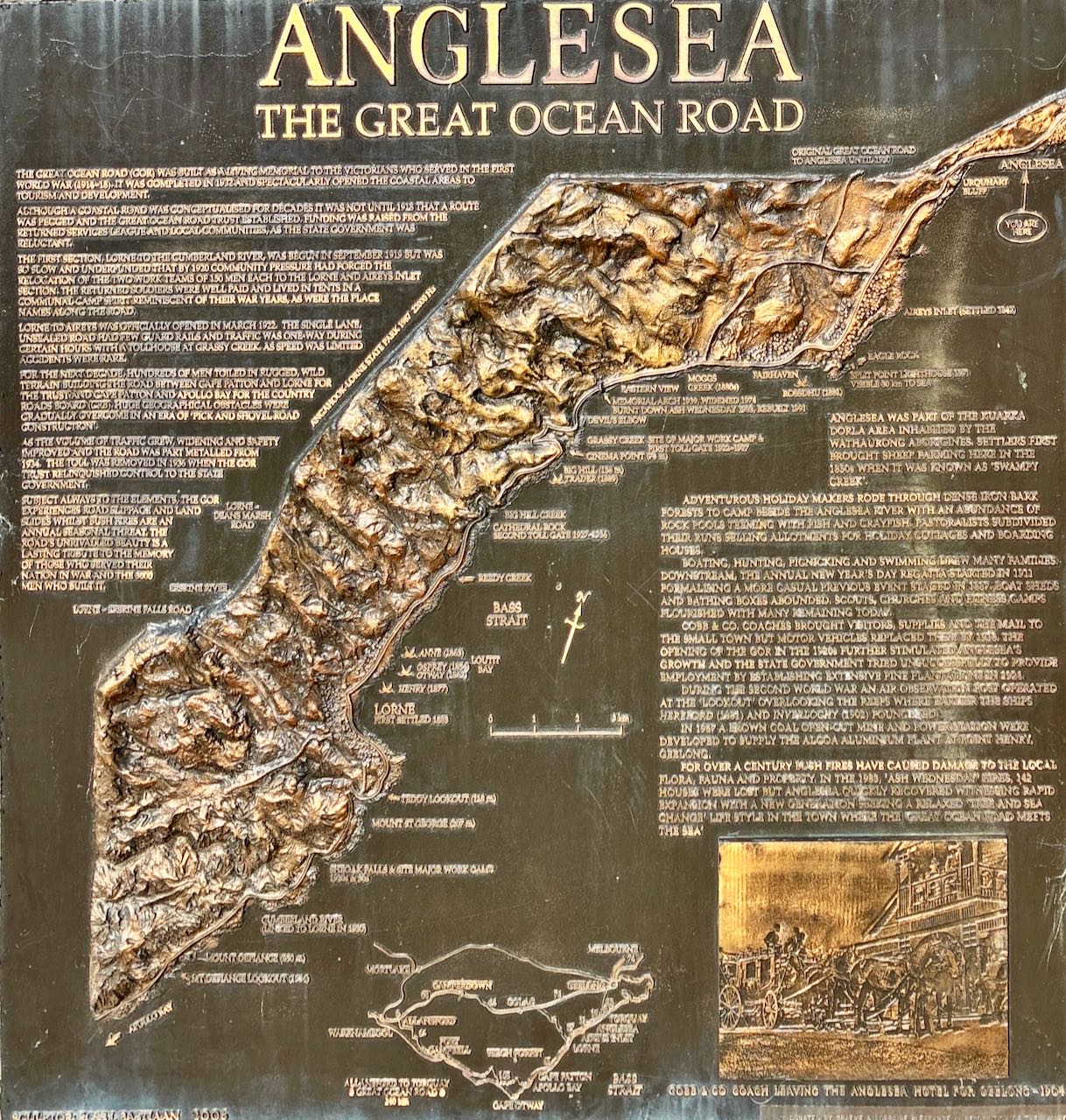
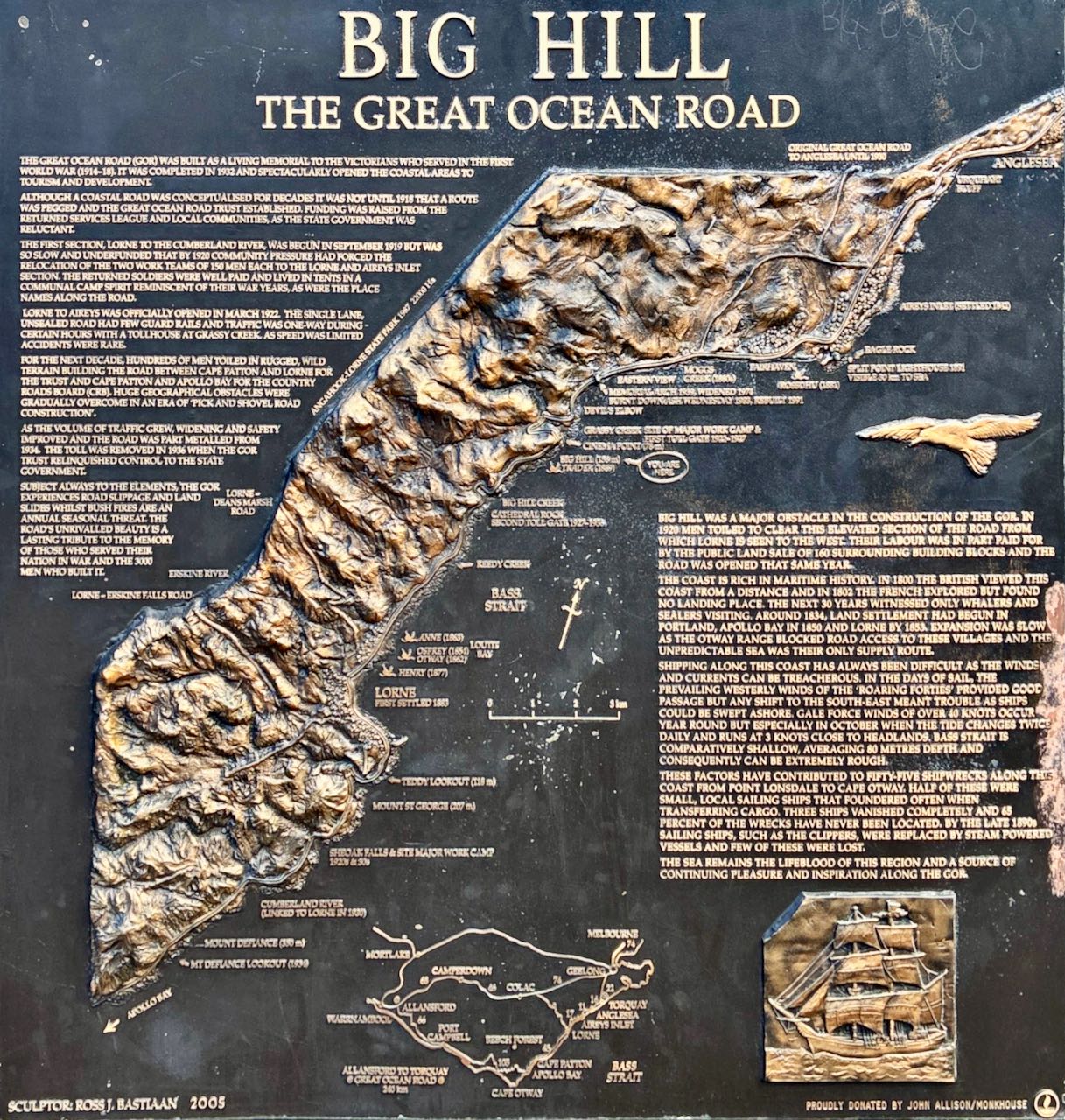
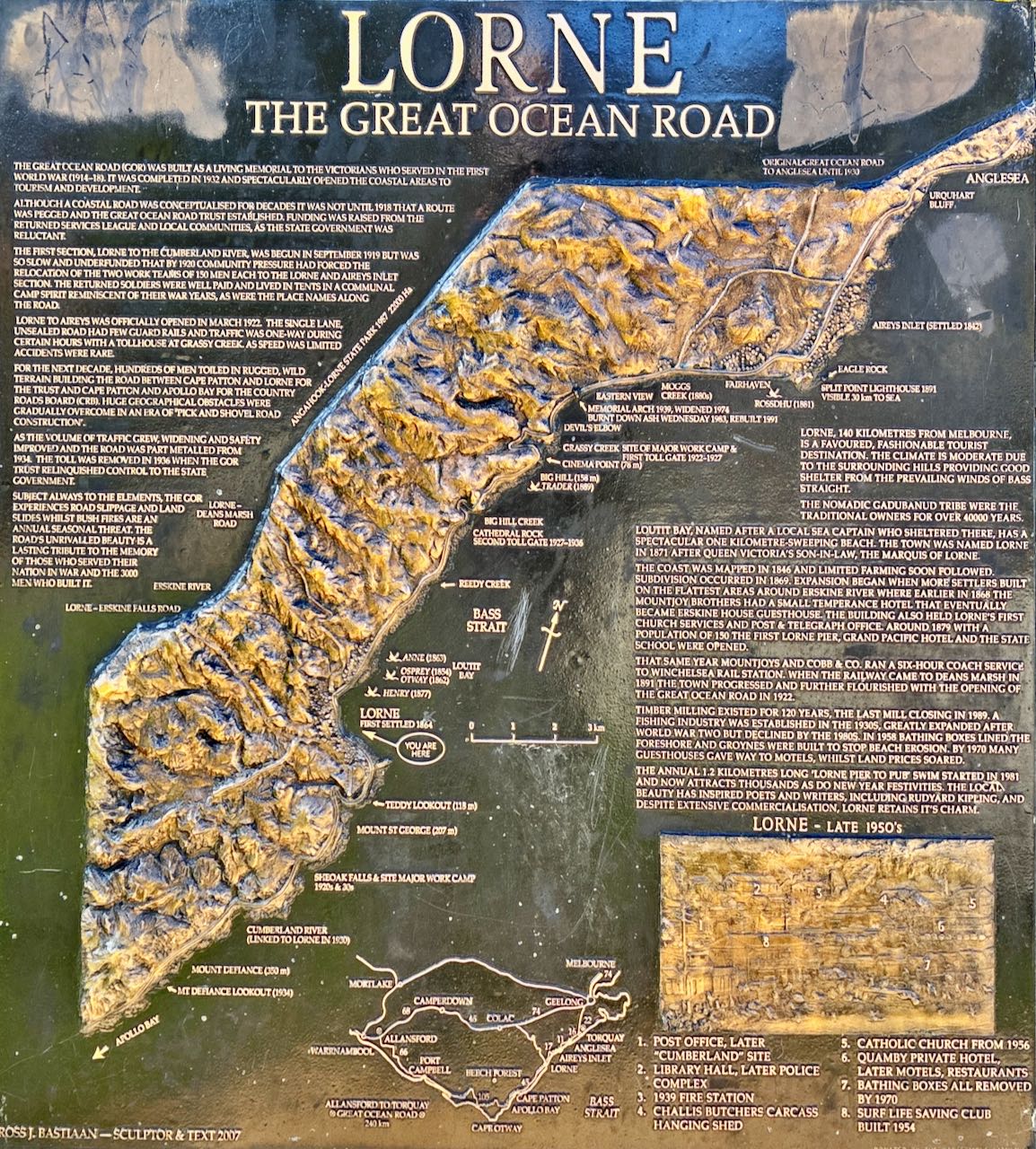
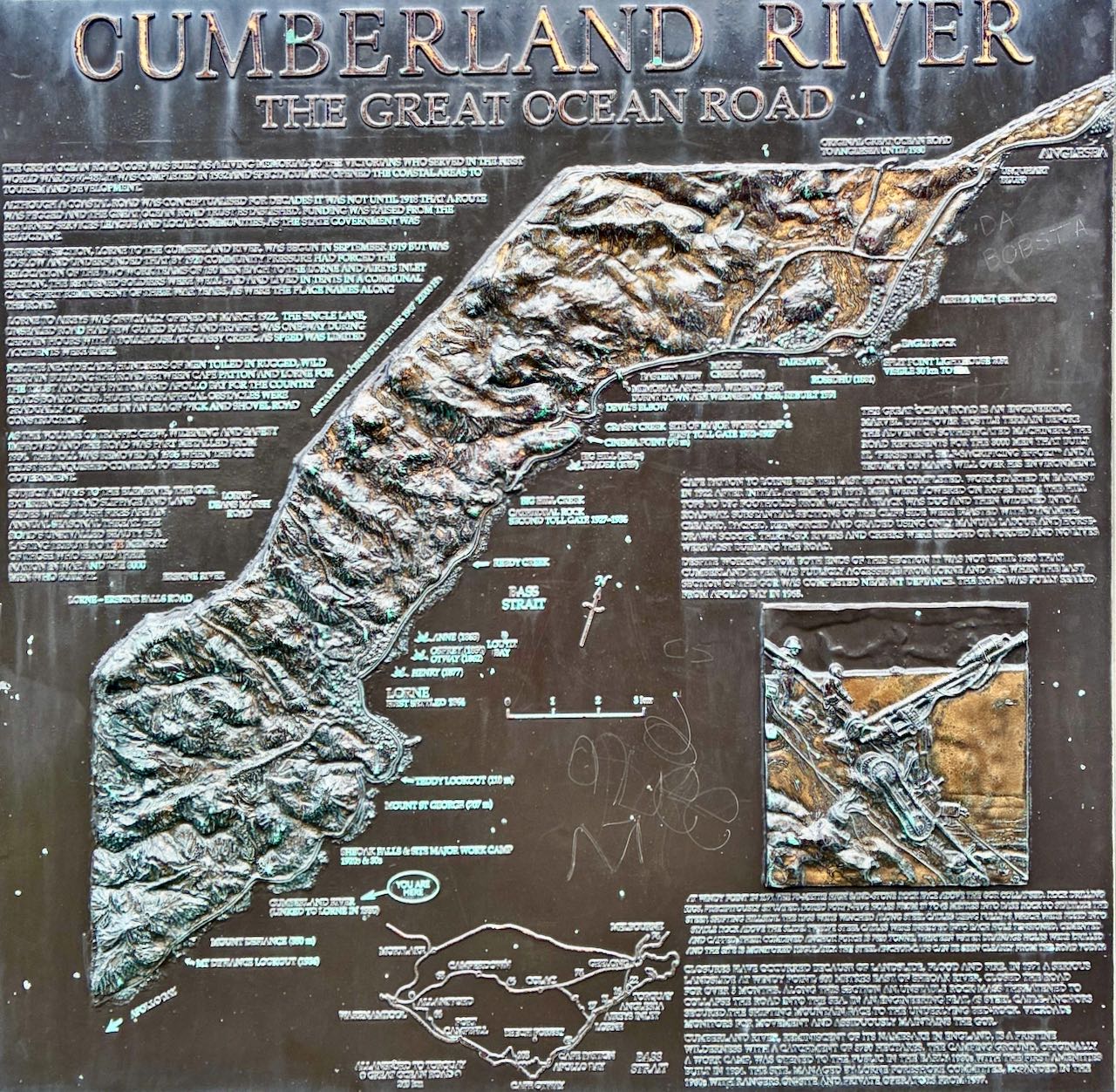
Plaques on The Great Ocean Road
-
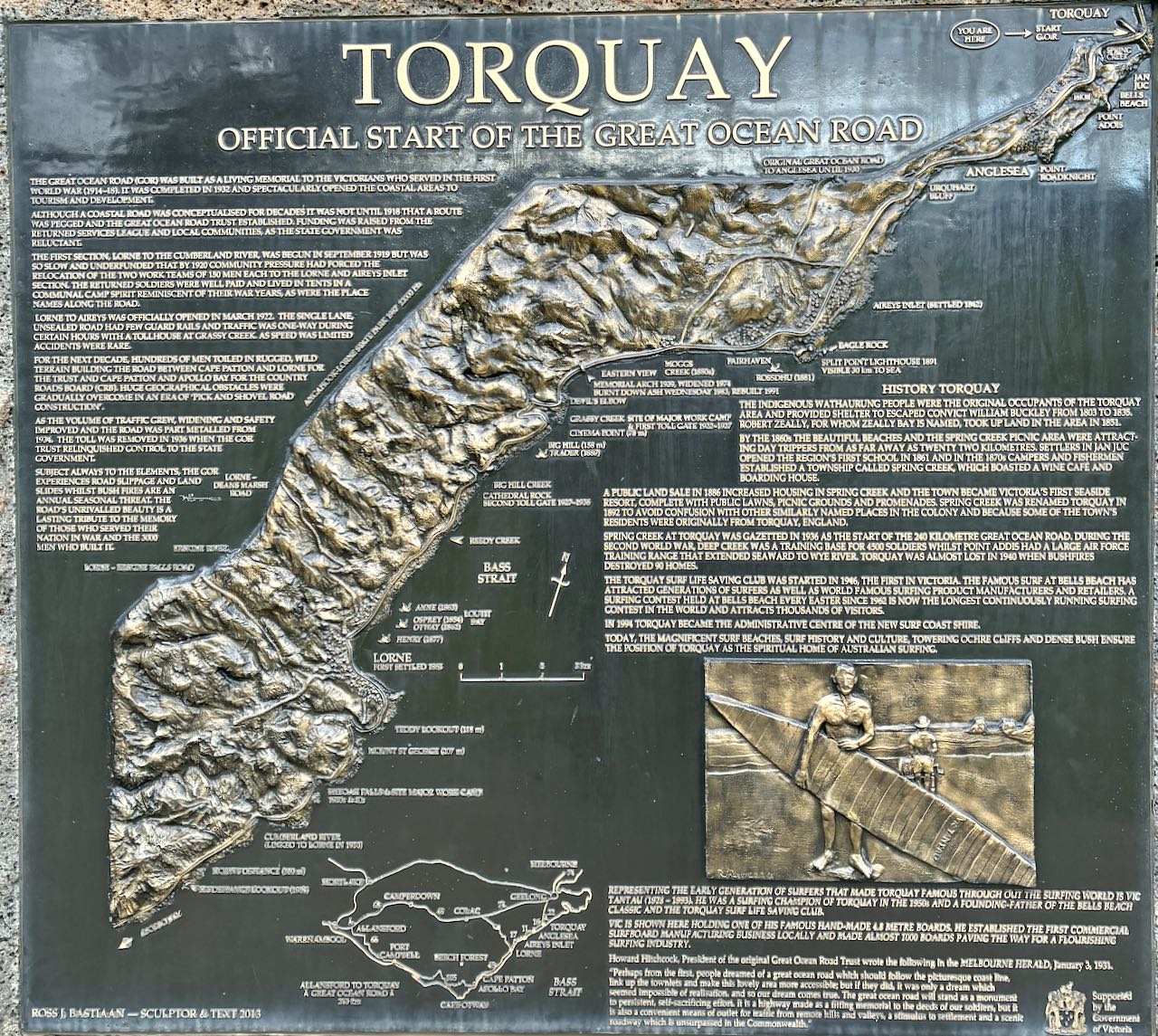
- Torquay
-
- Eastern View
-
- Devils Elbow
-
- Anglesea
-
- Big Hill
-
- Lorne
-
- Cumberland River
Sources:
- Lorne Historical Society Collections
- Document from celebration of 70th anniversary by K. Cecil, 1990.