
Early Lorne Photographers
The Lorne Historical Society is fortunate to have a collection of photographs from several photographers who ran businesses in Lorne, particularly during holiday seasons, to capture scenes that bring the times and people back for our appreciation. Some early photographers include:
- Nicholas John Caire, 1875
- George Rose, 1880
- John Norman, 1884 – 1900
- William Anderson, 1890’s – 1948
- Albert Ellingworth Jarratt, 1910
- John William Lindt
- William Greenfield, 1902 – 1967
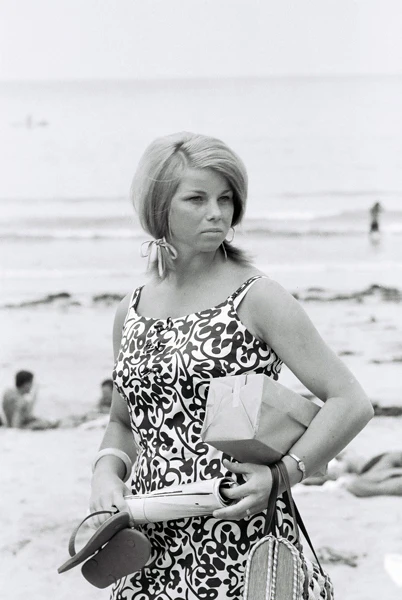
- Trevor Lemke 1960s
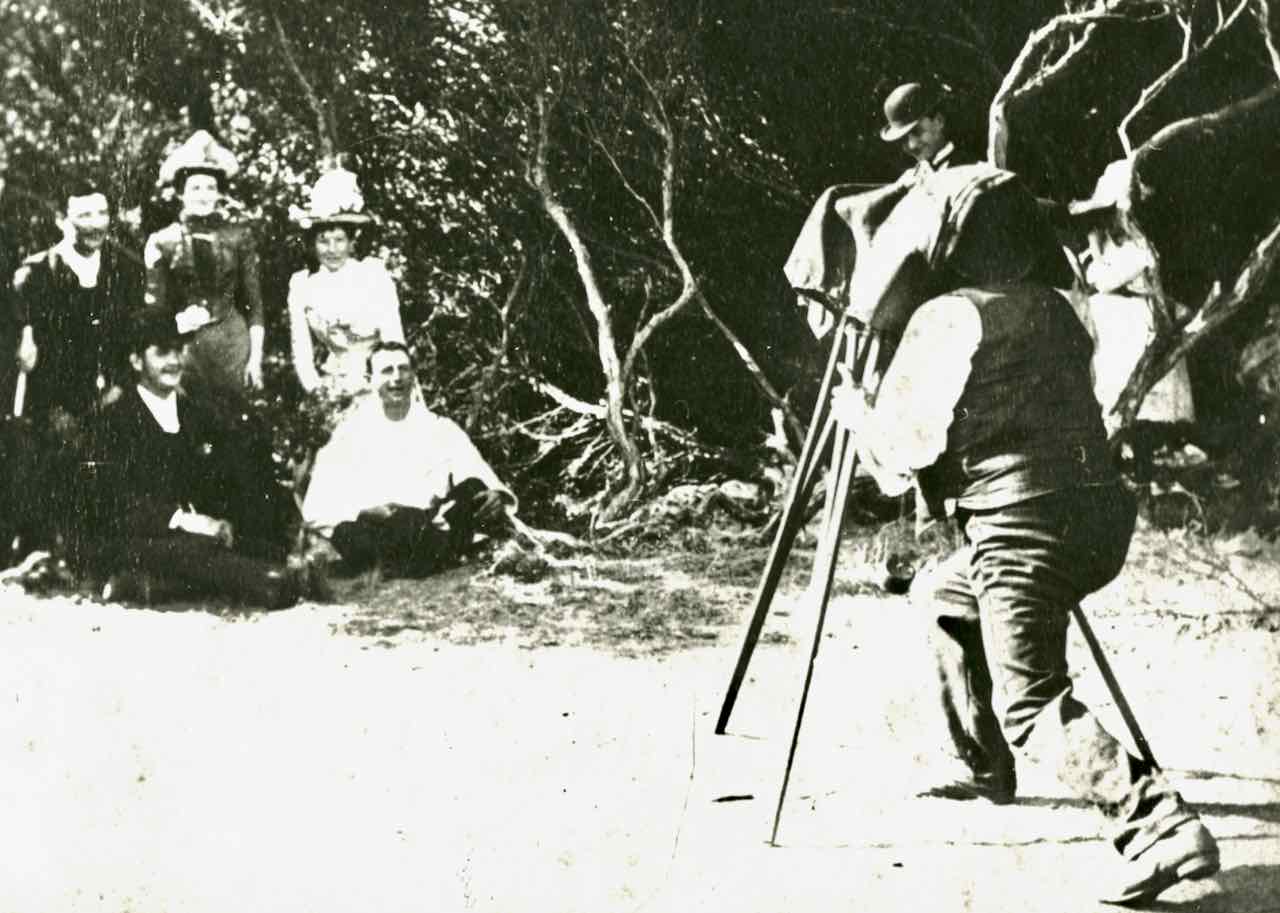
Anderson, William “Toggy”
-
- Toggy Anderson at work, c1900
-
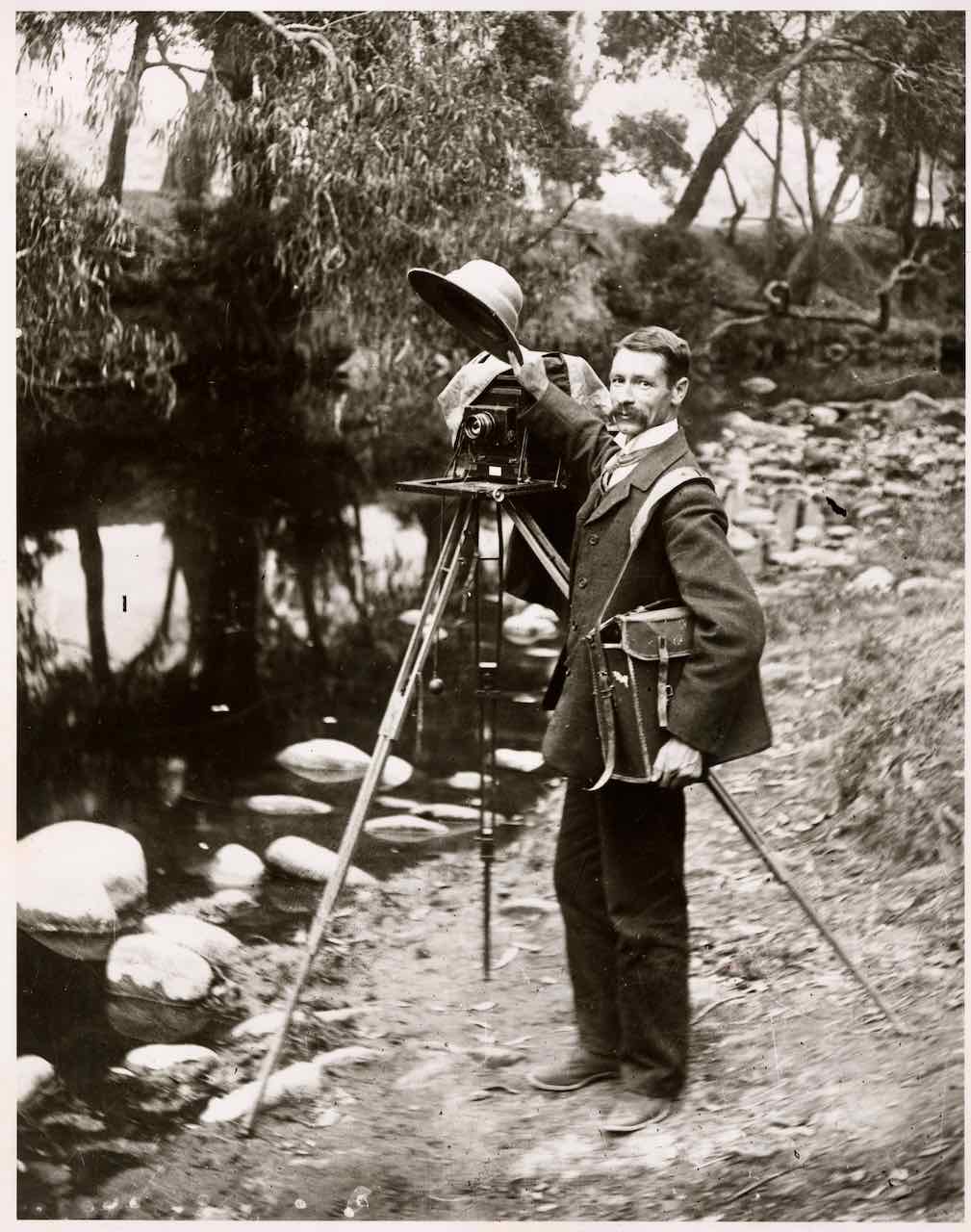
- William Anderson from Museum of Victoria
-
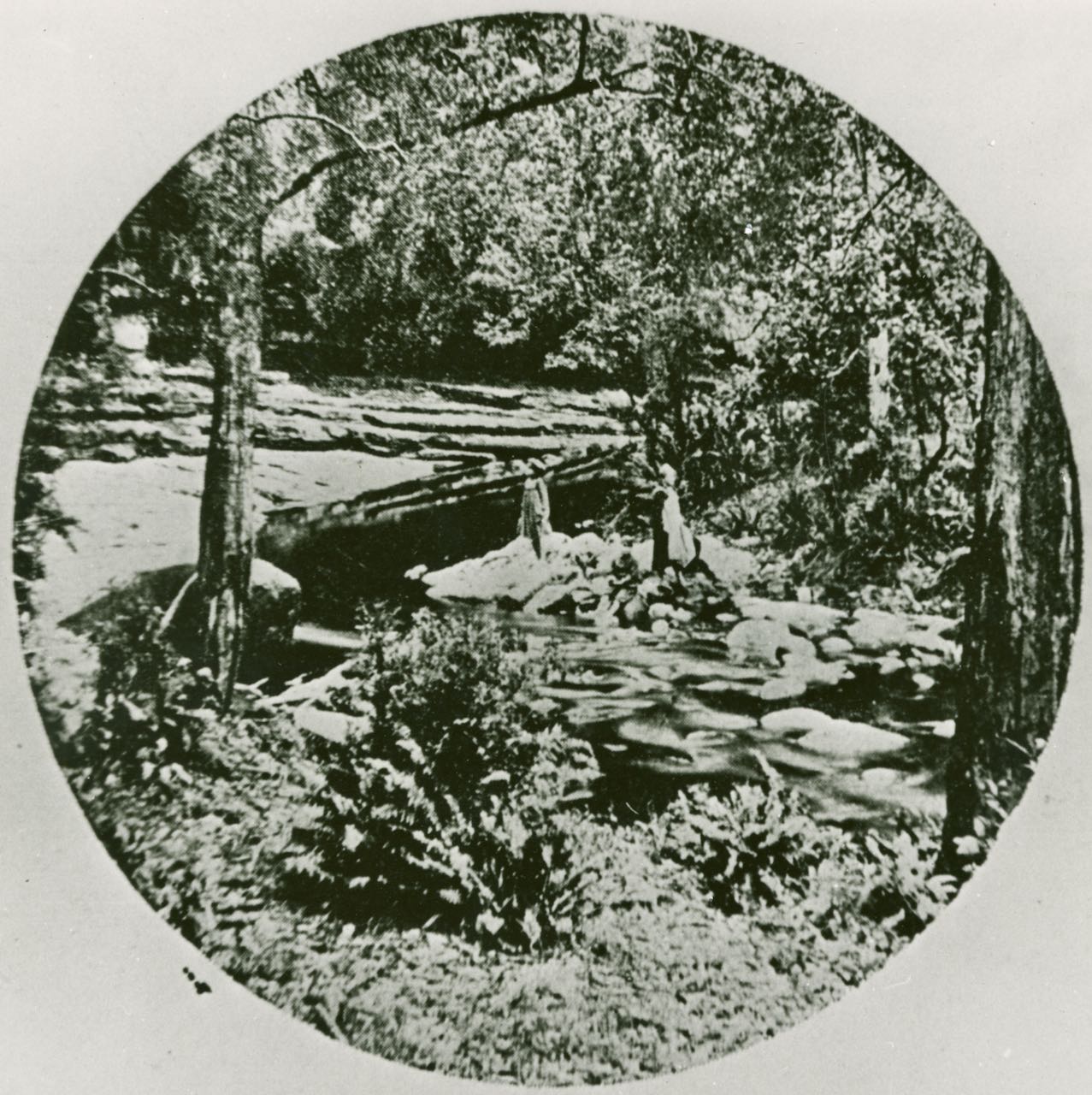
- The Sanctuary by W.S. Anderson (LHS photo 5598)
-
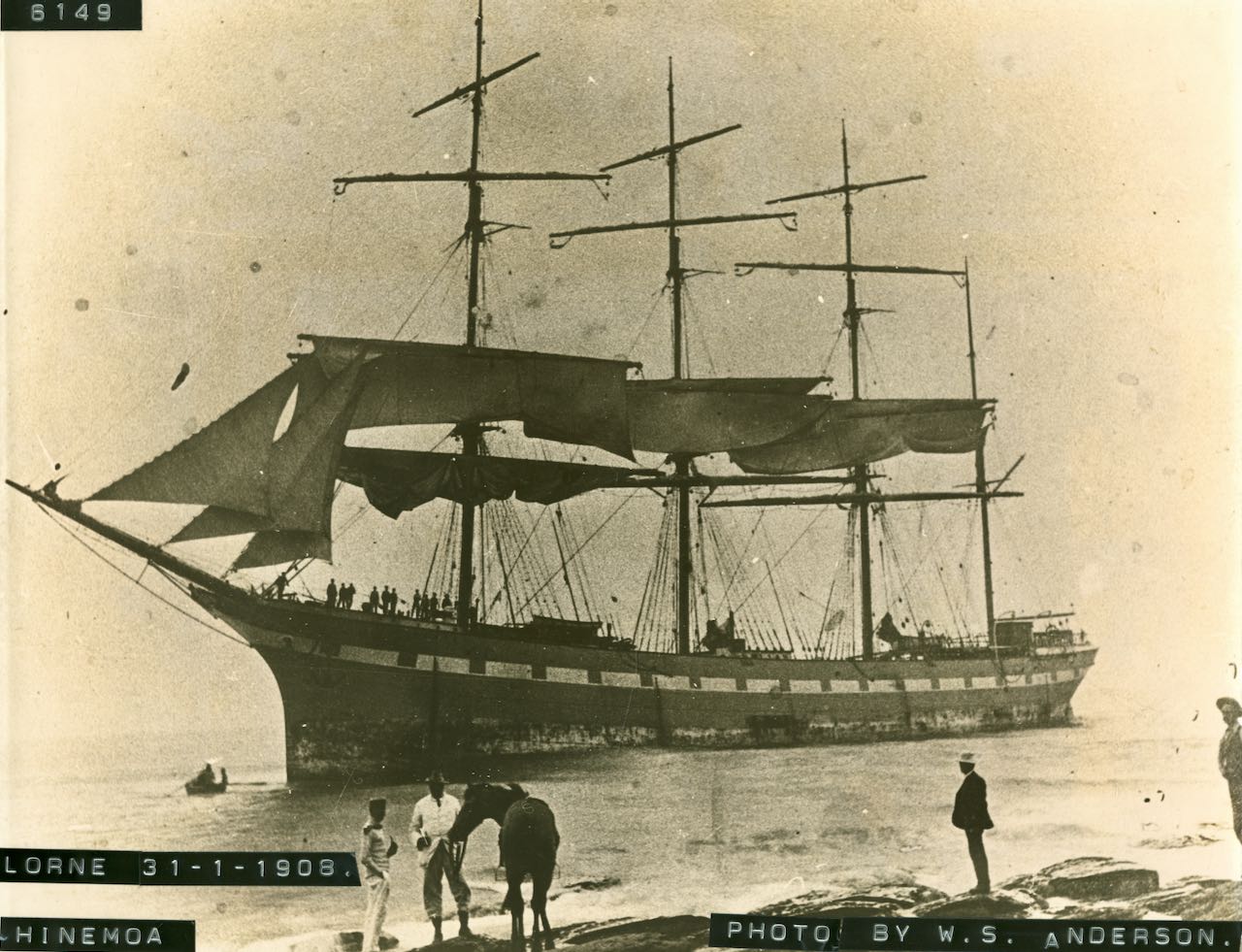
- Hinemoa, 31 Jan 1908, photo by W.S. Anderson (LHS photo 6149)
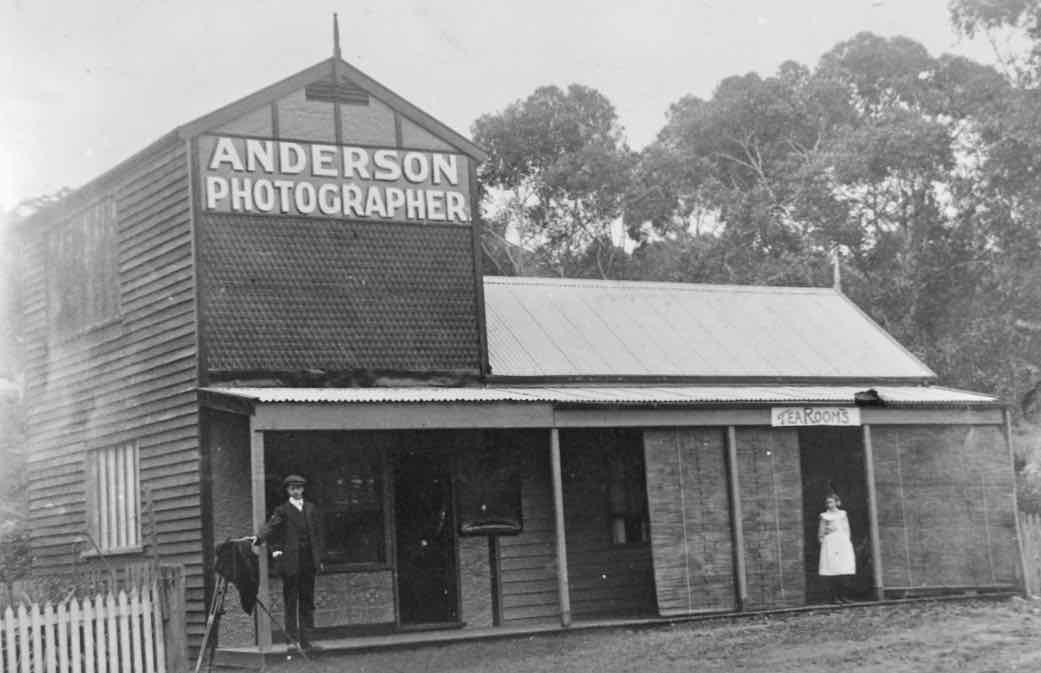
1910, on the left Harold Anderson, son of William Anderson.
-
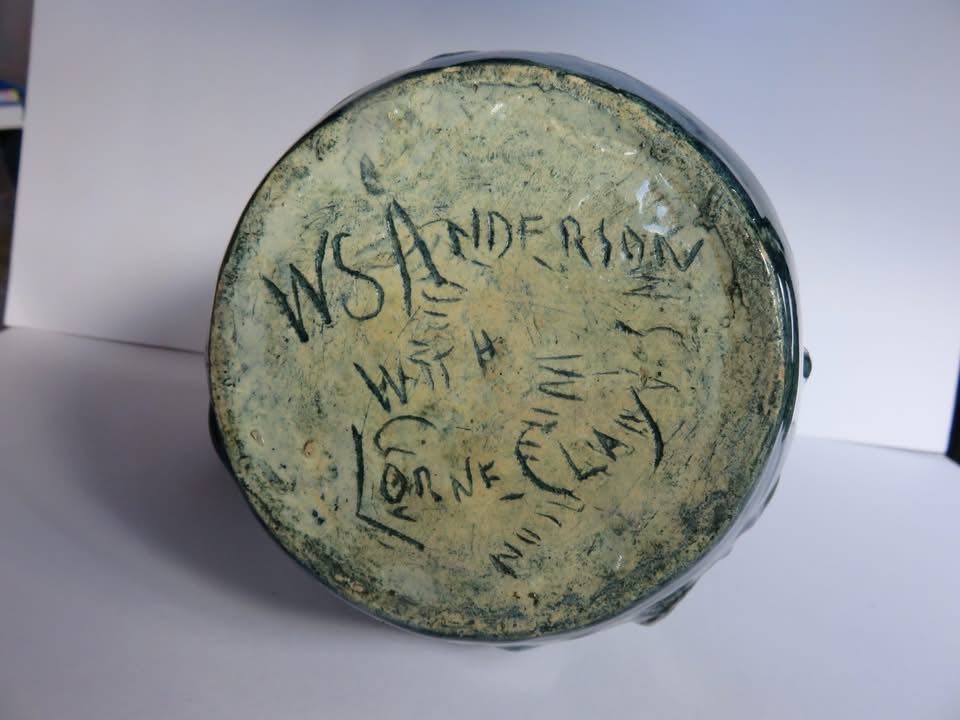
- W.S. Anderdson jug
-
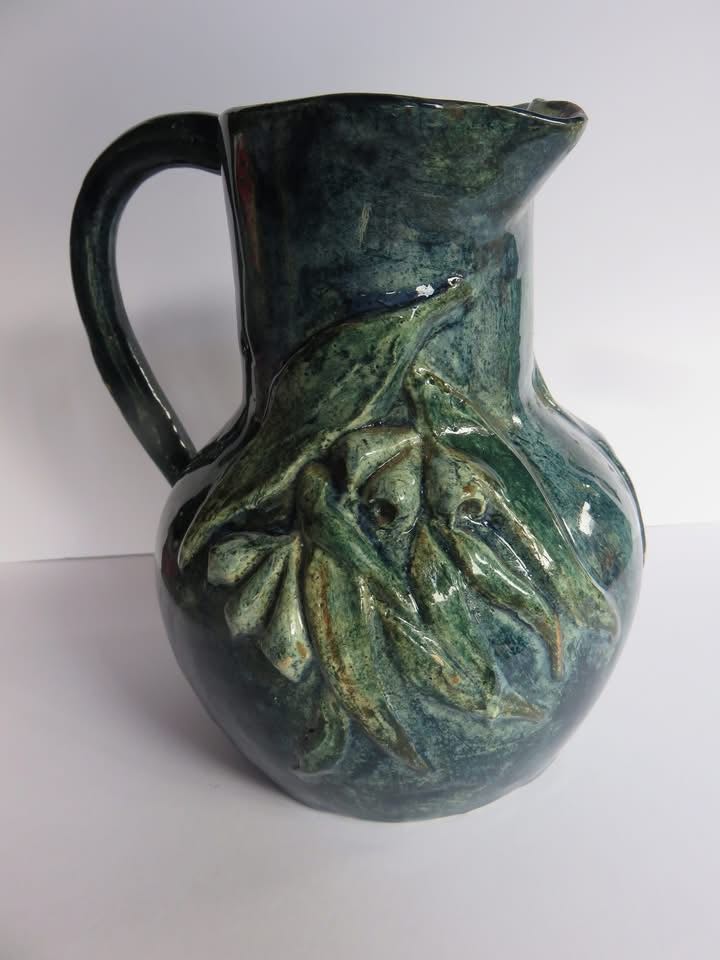
- W.S. Anderson jug
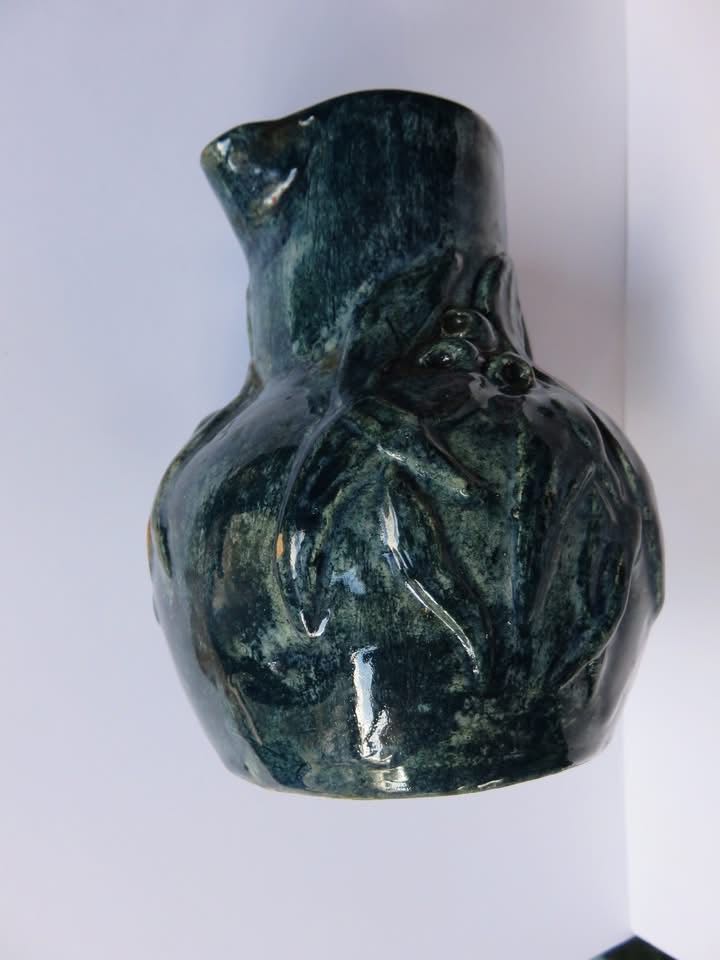
-
- W.S. Anderson jug
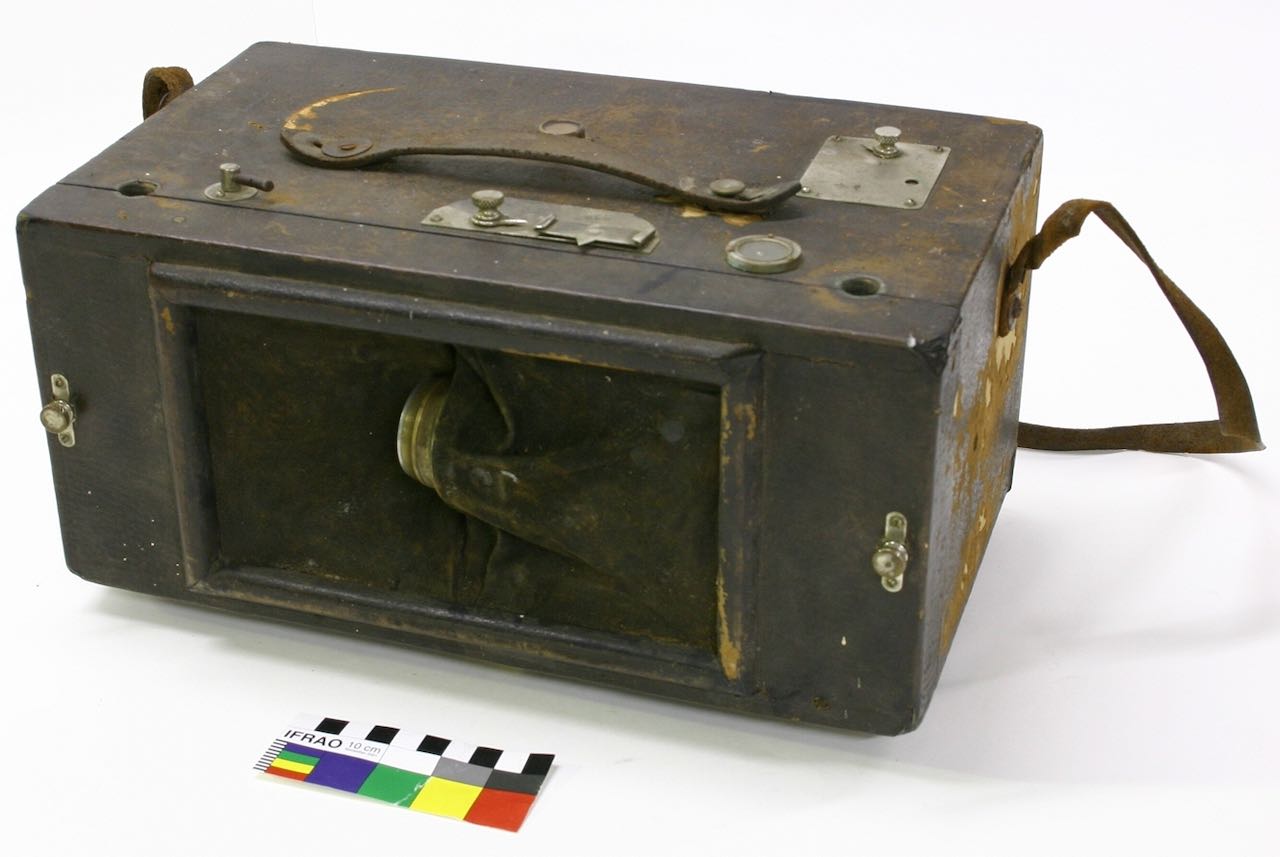
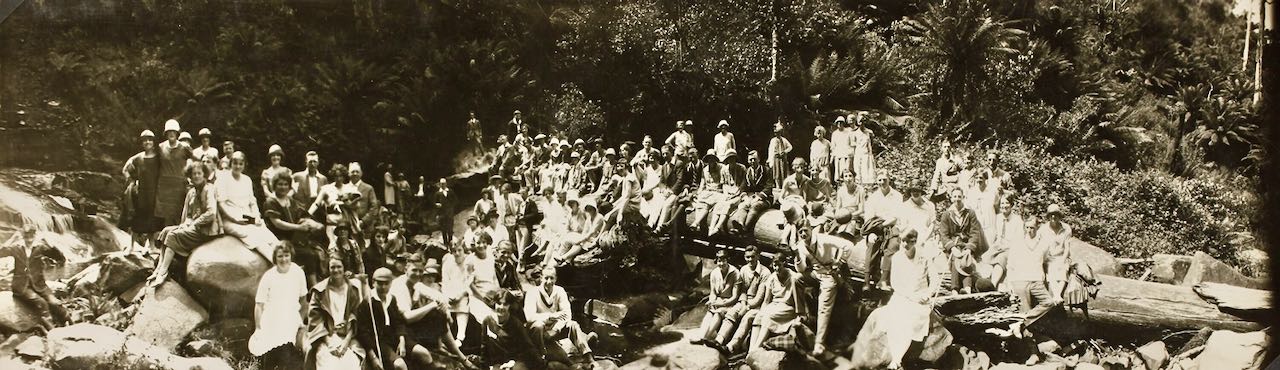
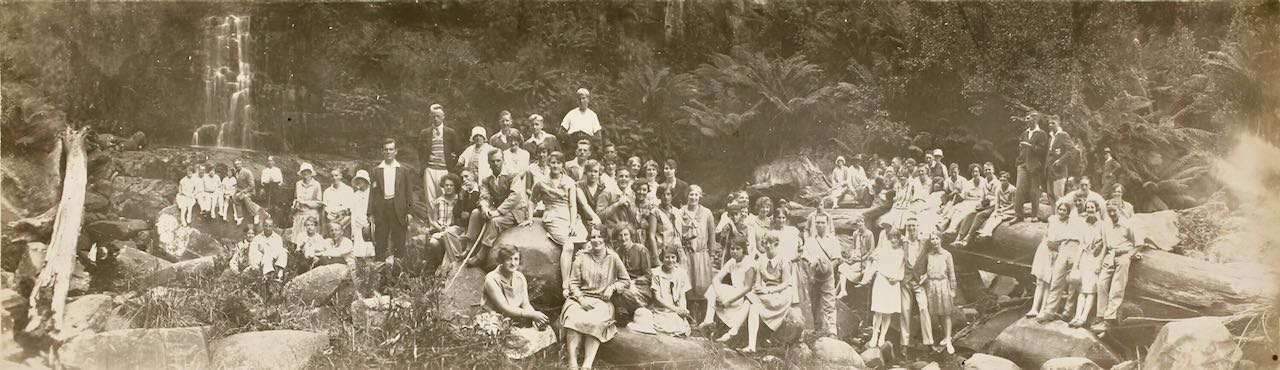
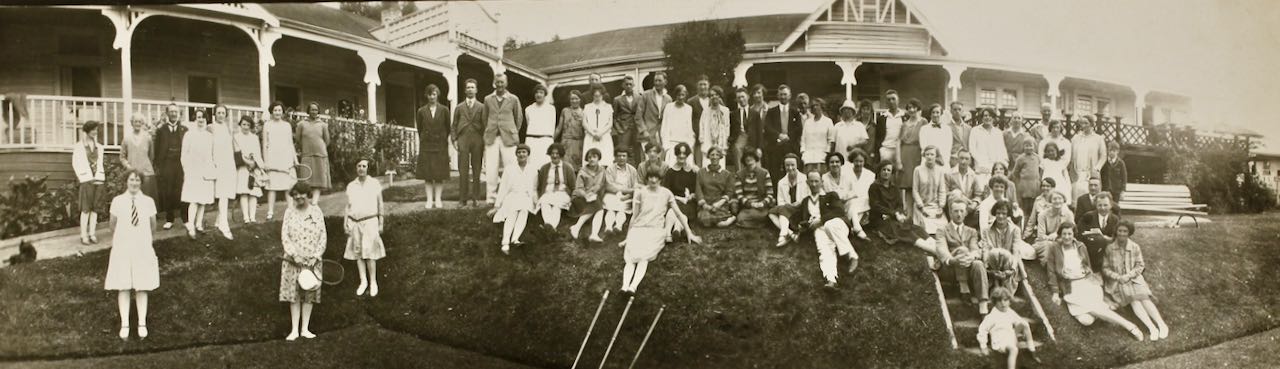
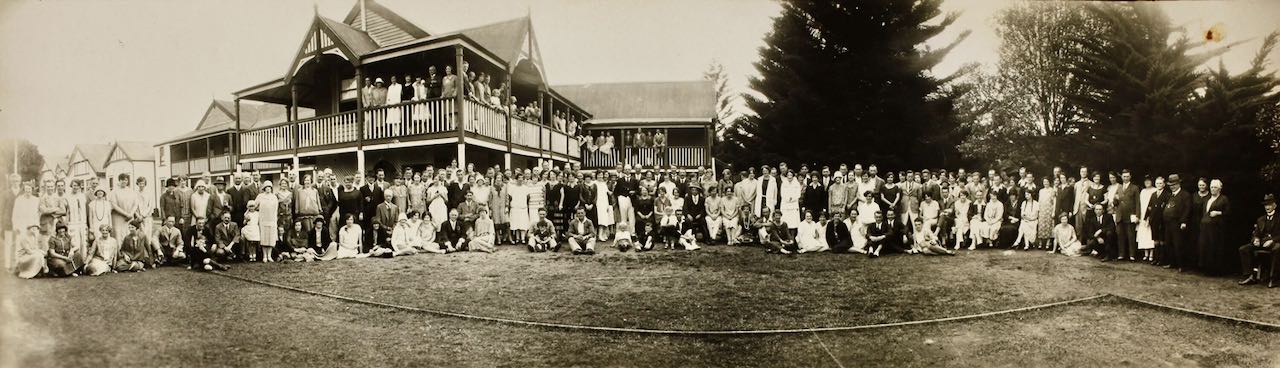
Anderson used a panorama camera to scan a large group of people. The camera had a lens that was rotated by a clockwork mechanism to take in a large scene. This enabled a large number of people to be photographed in the one sitting. He also used a stereo camera with two lens to take stereographic images. With a stereoscope it gave people 3D photographic effect.
-
- W. Anderson’s Panorama Camera
-
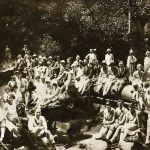
- W. Anderson photo from Melbourne Museum collection
-
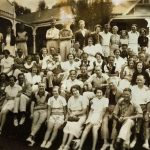
- Carinya Guesthouse, W. Anderson photo from Melbourne Museum collection
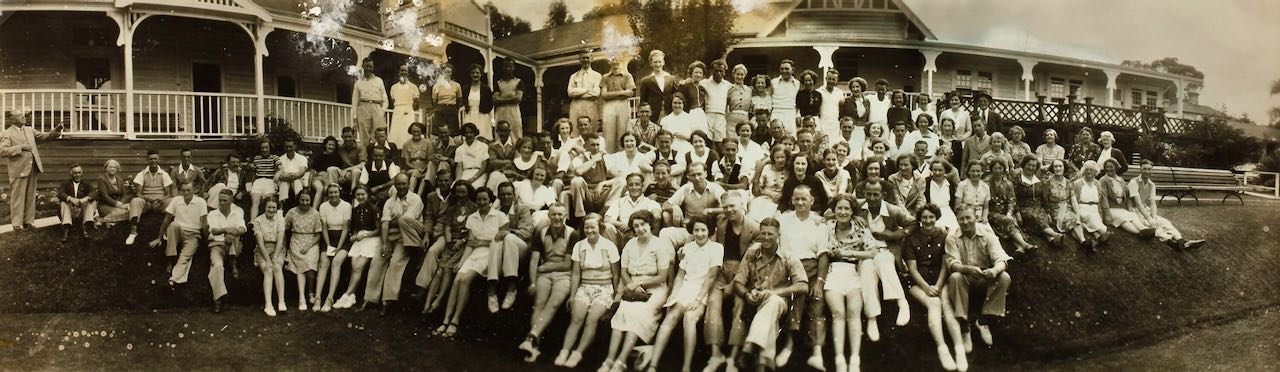
-
- Erskine Falls outing. W. Anderson photo from Melbourne Museum collection
-
- Carinya Guesthouse. W. Anderson photo from Melbourne Museum collection
-
- Erskine House. W. Anderson photo from Melbourne Museum collection
Caire, Nicholas John
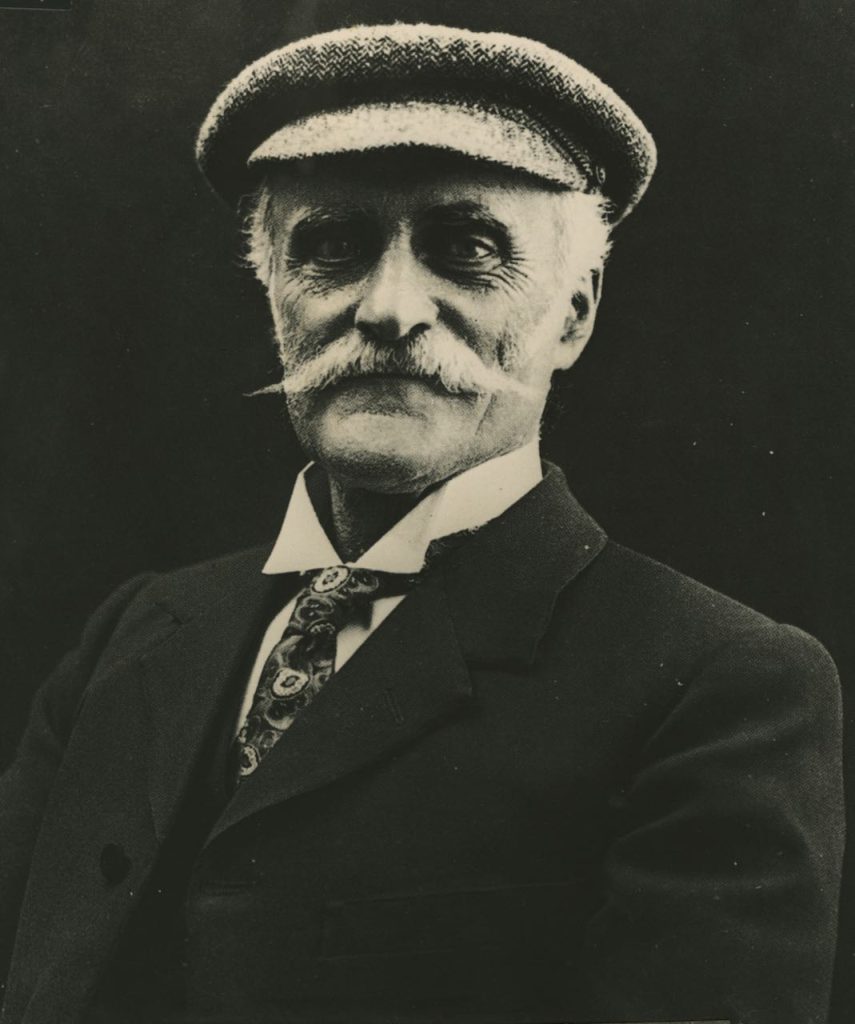
c1914, Nicholas John Caire. (LHS photo 8334)
The following notes are reproduced from the book N. J. Caire Landscape Photographer – published by Anne & Don Pitkethly, of Rosanna.
Photographs by N J Caire are among the most widely published late 19th and early 20th Century Australian photographs. Between 1875 and 1905 Caire travelled the Victorian countryside, seeking to capture the picturesque beauty for the commercial market.
His artistic sensitivity created images which earned him popular acceptance during his lifetime and an enduring place as one of Australia’s finest landscape photographers.
-
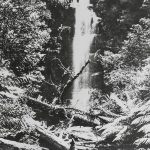
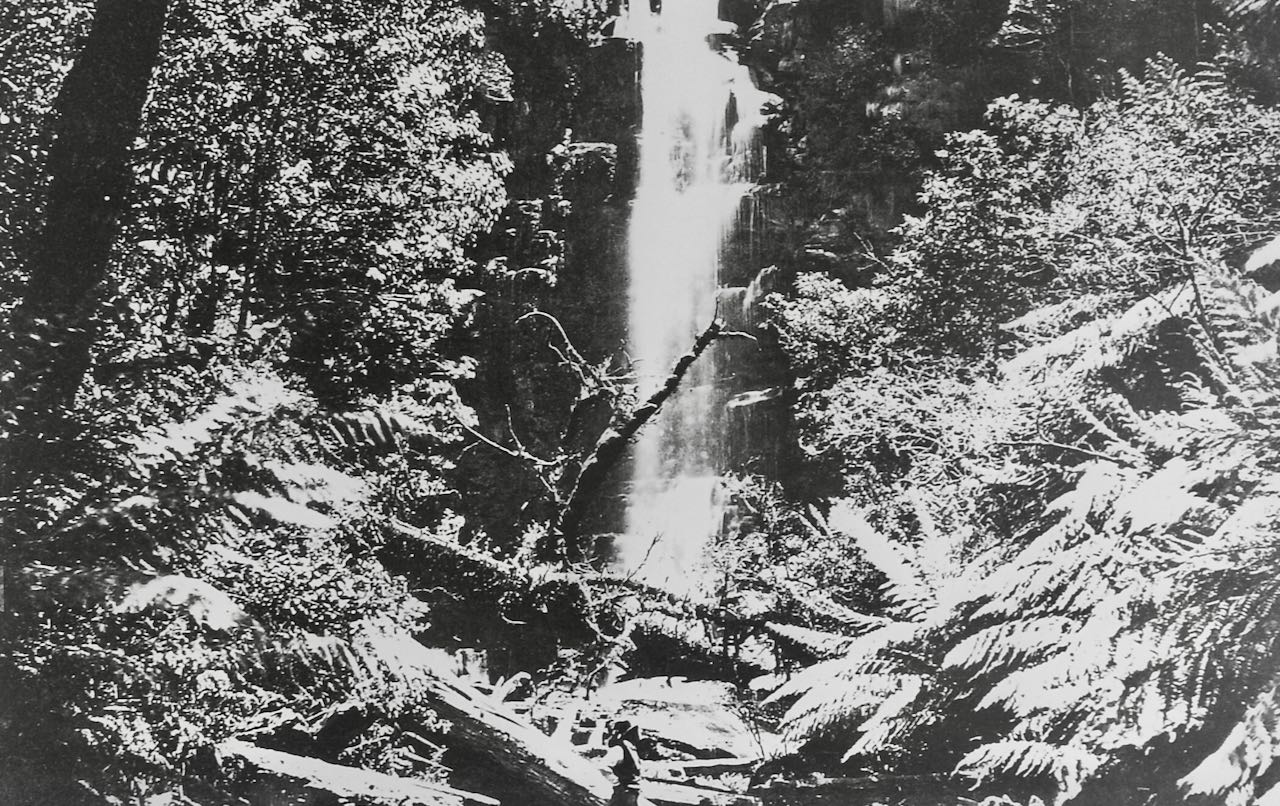
- c1876, Erskine Falls by N.J. Caire. (LHS photo 8330)
-
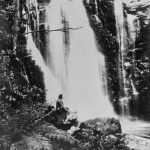
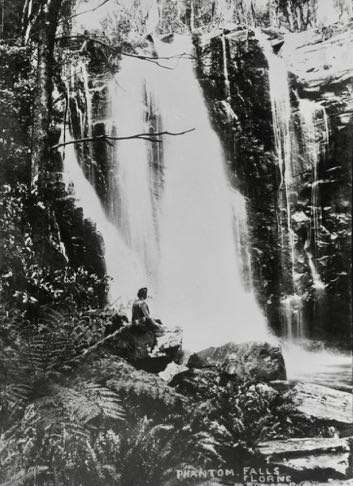
- c1903, Phantom Falls by N.J. Caire. (LHS photo 8326)
Greenfield, William (1902-1967)
Bill came to Lorne in 1946 and started photography in a shop, before it was a Sports Store, at about 108 Mountjoy Parade. He built his own shop in 1953 at 100 Mountjoy Parade which later became the Four Seasons (Take Away Food), next door to the south, of the Lorne Op Shop.
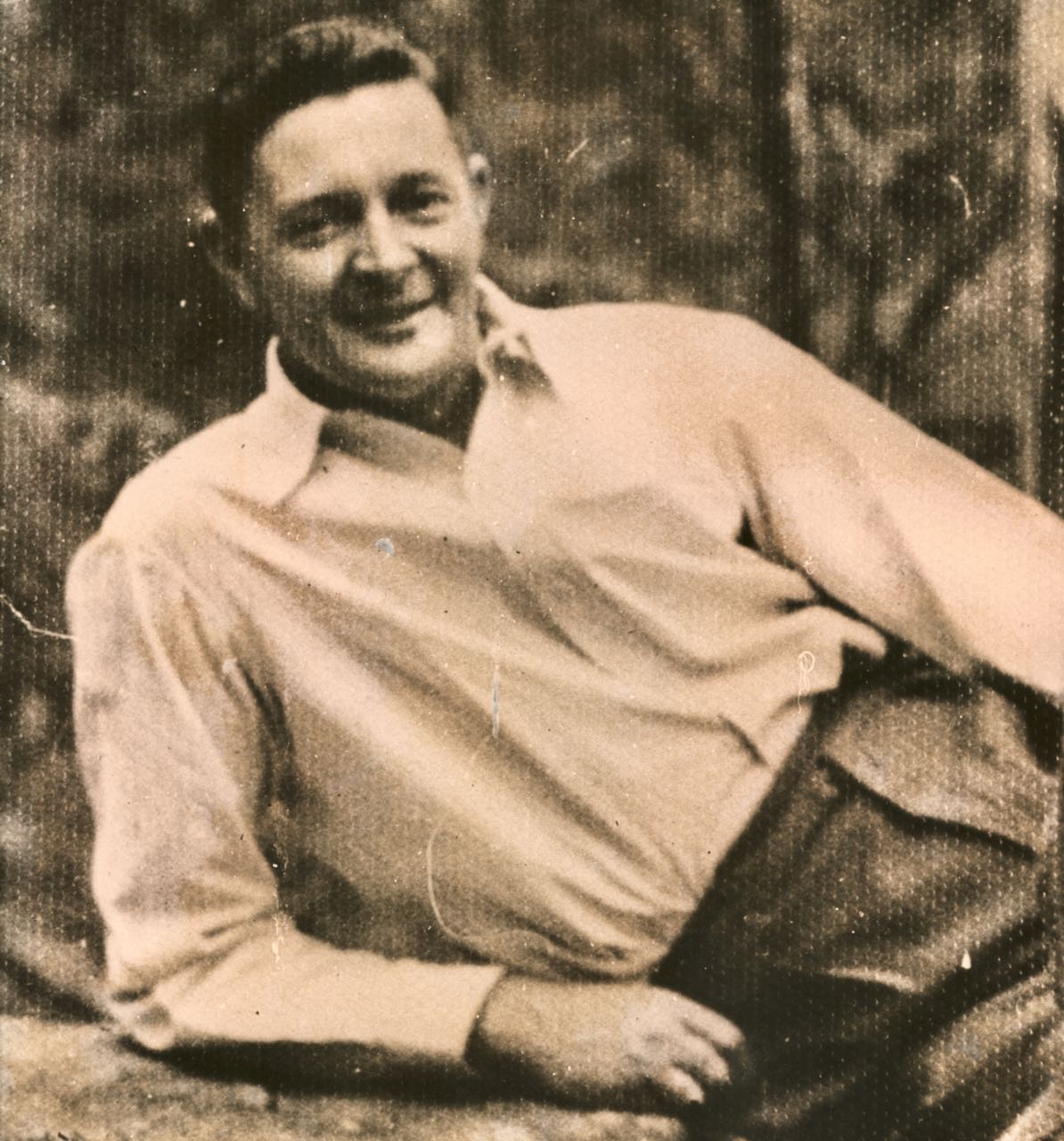
William Greenfield. (LHS photo 5708)
Jarratt, A.E.
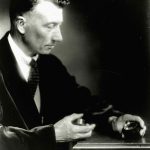
Albert Ellingworth Jarratt was born in 1886 at Ruby near Leongatha in Gippsland. One of the youngest in a large family with eleven boys and two girls. They ran a butcher shop and farm, some of the older boys worked in the timber industry, others on the farm and in the shop. Albert went to the Ruby State School and, as was fairly normal at that time, he left at an early age to help at home. Fortunately the schoolmaster, a Mr Mead took an interest in his further education and taught him about electricity and photography.
-
- Mr A E Jarratt. (LHS photo 9189)
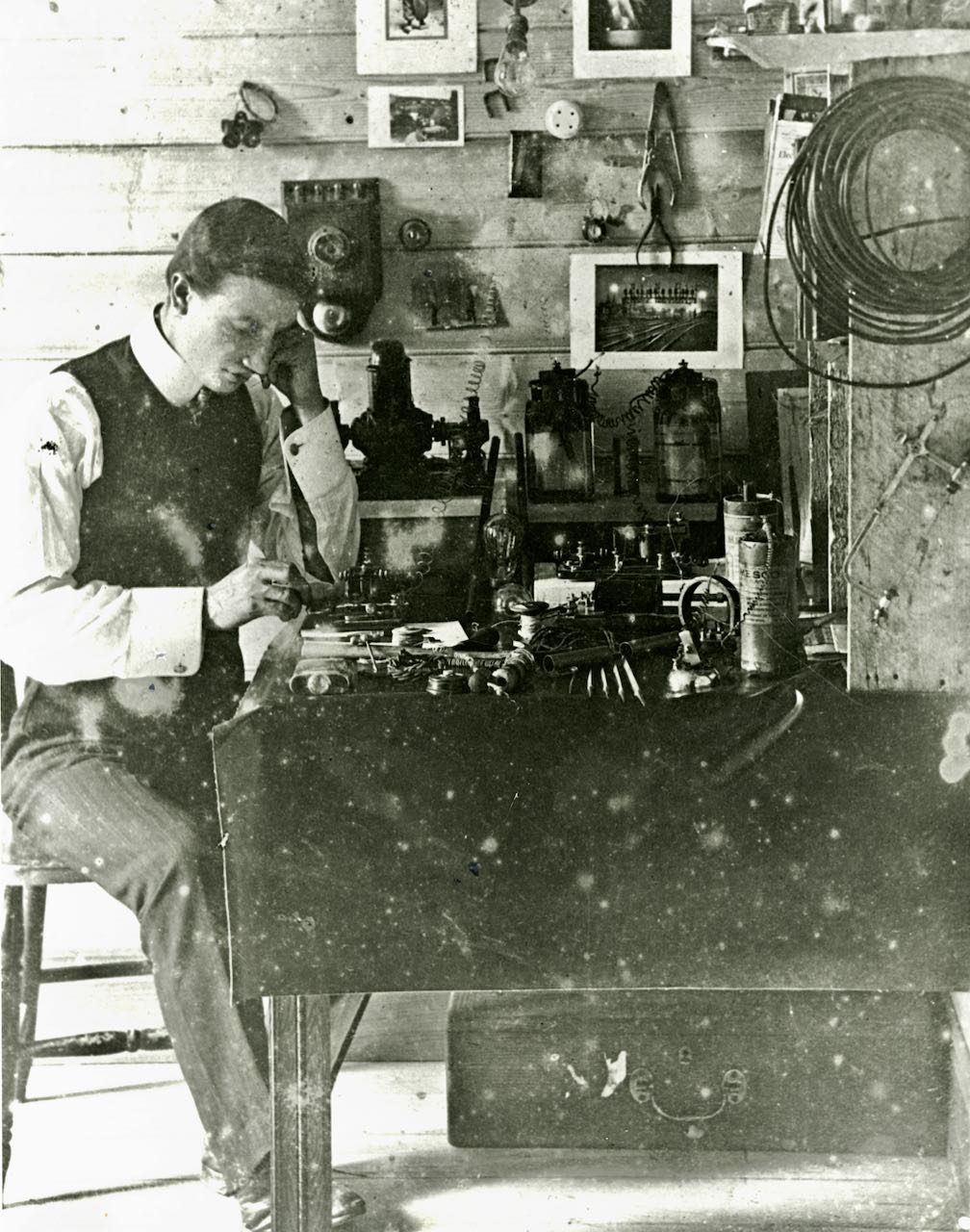
-
- Albert E Jarratt
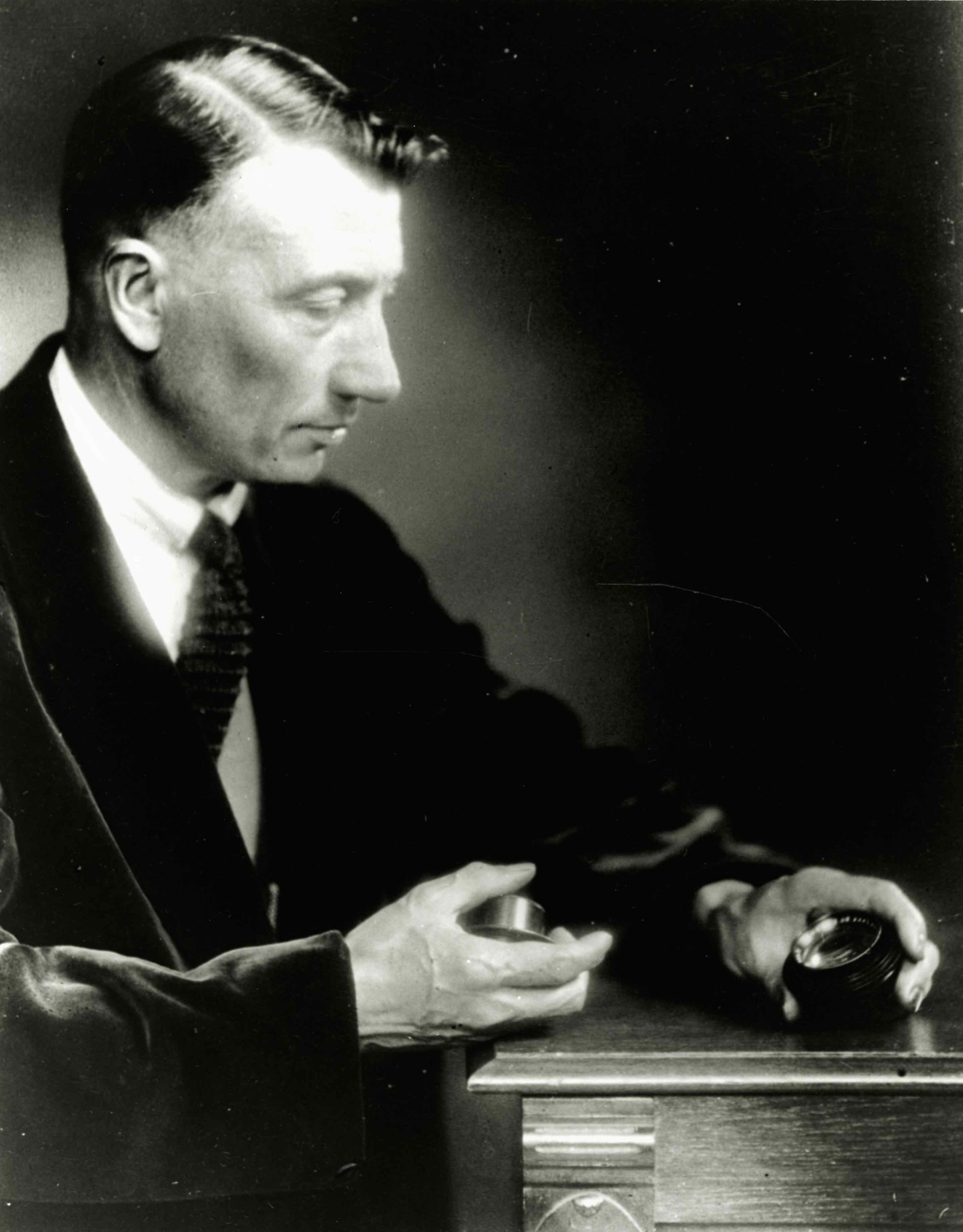
-
- Albert E Jarratt
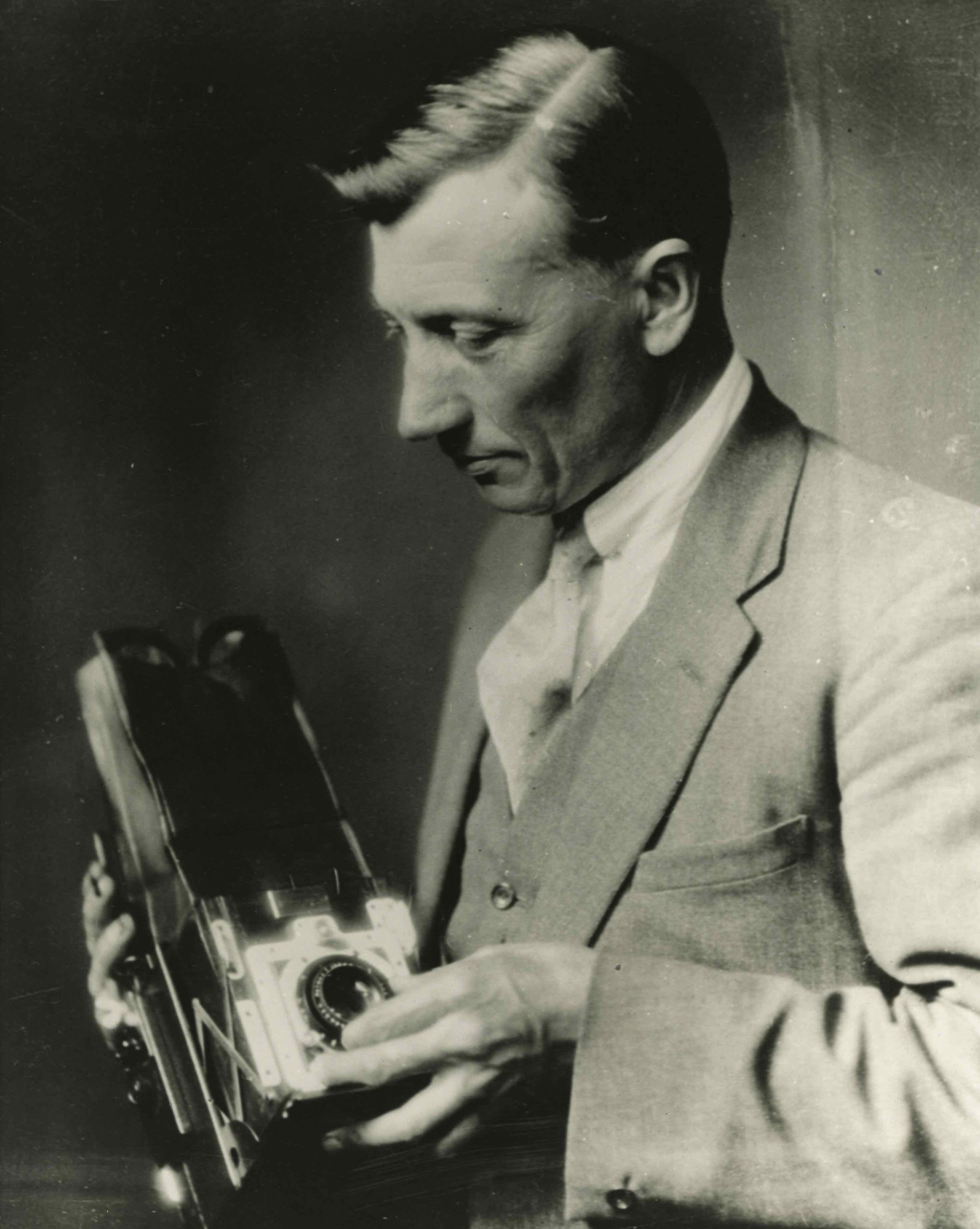
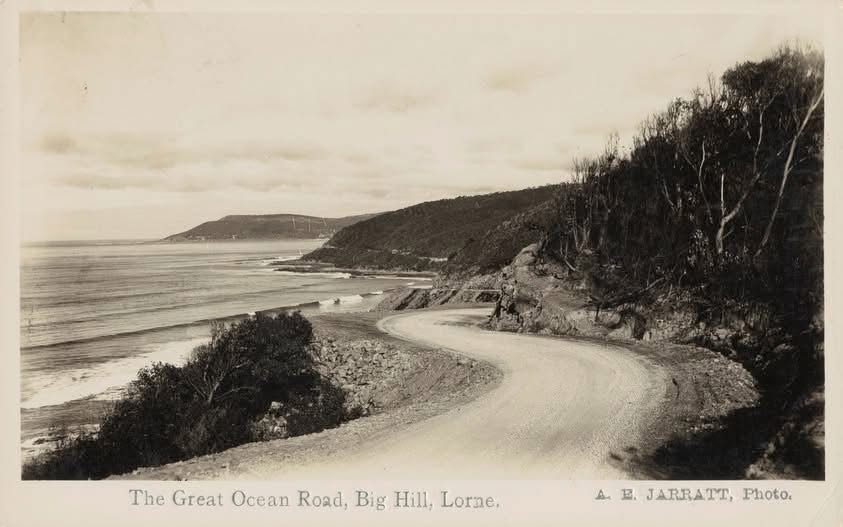
He became a competent photographer and was able to get a job with a postcard publishing company in Melbourne. This entailed travelling to beauty spots all over Victoria. Much of it on foot and he remembered that he walked from Woods Point to Walhalla carrying a heavy camera and a supply of the big glass plates used for negatives in those days.
In 1908 he was sent down to Lorne and was so full of admiration for the beauty of the town and its surroundings that he gave up his job and set up business in Lorne in 1910. His shop and darkroom with dwelling behind was where Davey O’Neill had his bootmaking business at 44 Mountjoy Parade. In those early days Albert concentrated on selling photographs of Lorne and taking group photographs of visitors at the various beauty spots. (Erskine Falls, Allenvale, Phantom Falls). Hiking in the bush was very popular. A.E.Jarratt and Toggy Anderson (his opposition) used to arrive at the various falls at lunch time to take the photos, then race back to Lorne, process the result and try to have proofs at the various guest houses when the hiking parties returned. Later as amateur photography became more popular he began processing films.
Lemke, Trevor
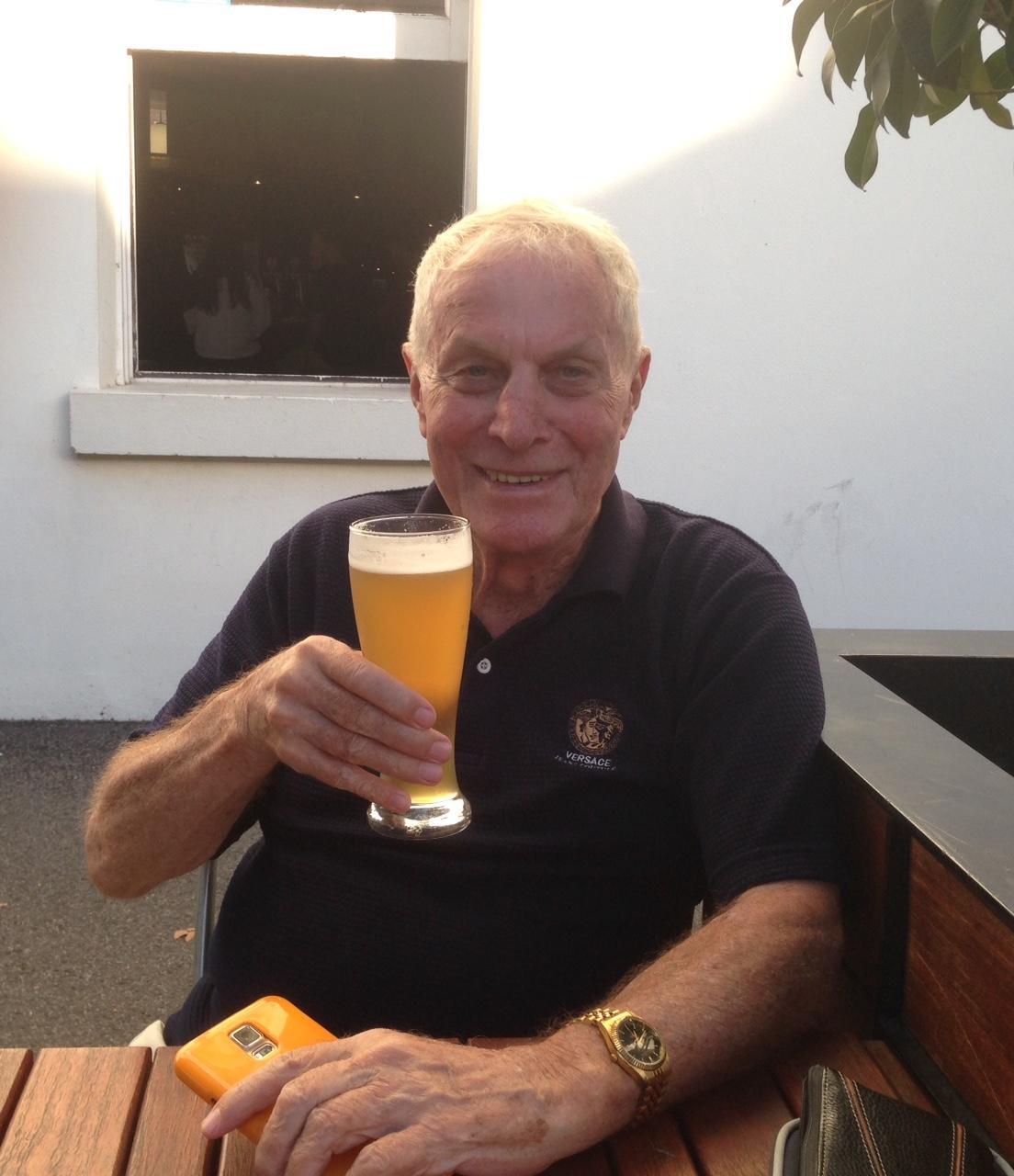
Trevor Lemke (March 2015)
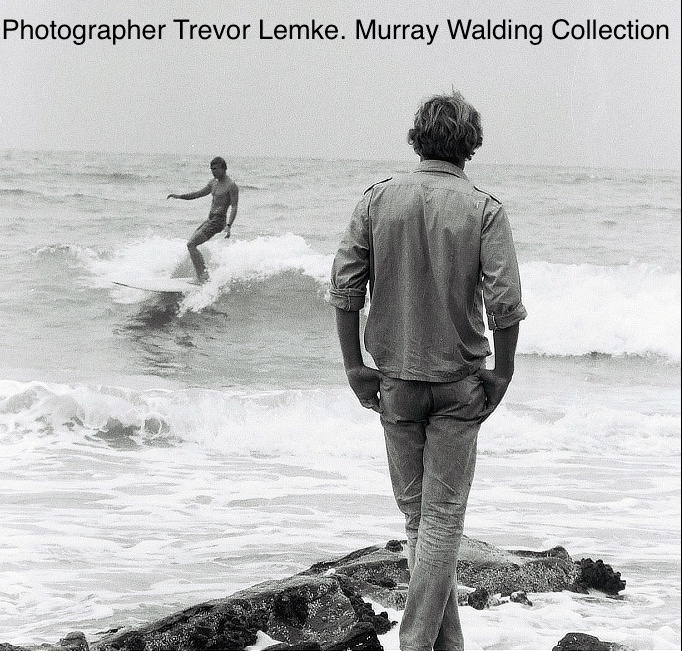
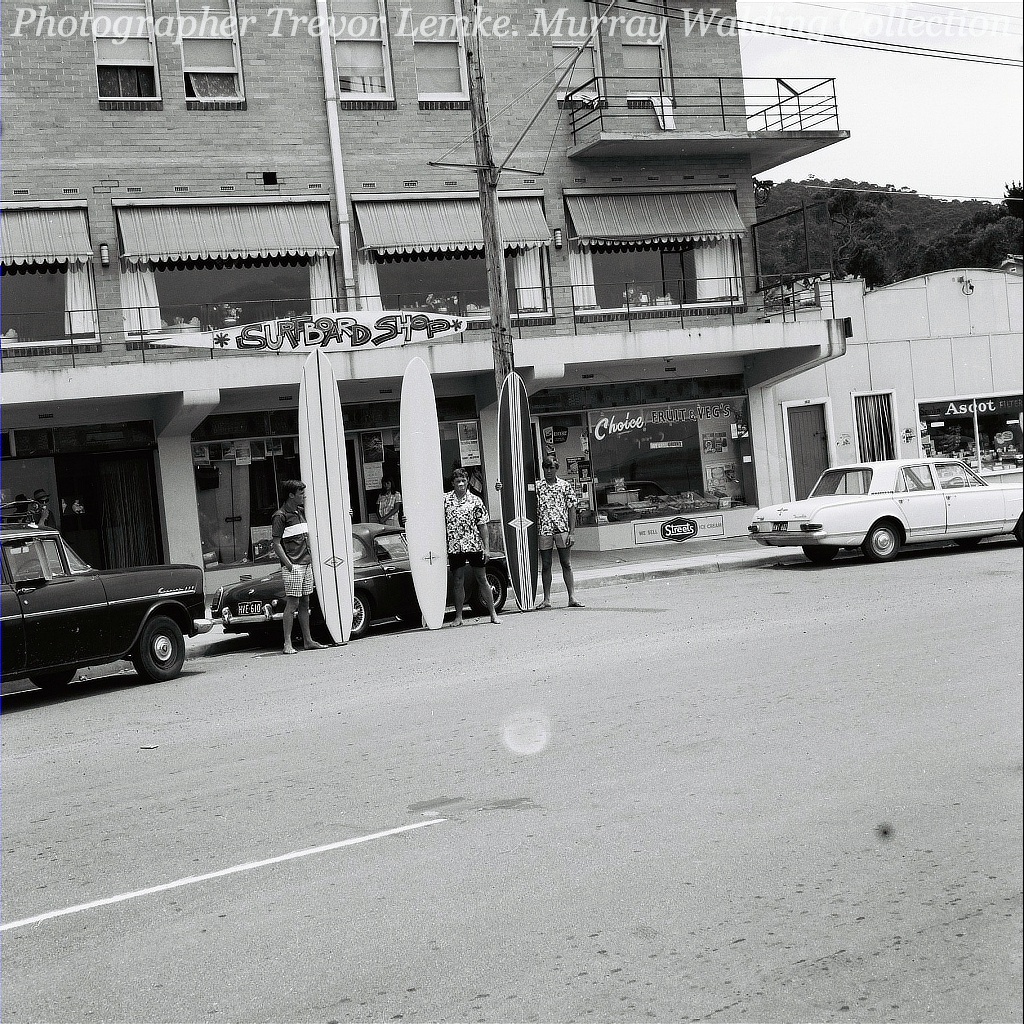
Trevor Lemke was a professional photographer who based himself each summer in Lorne. He was a most prolific photographer. He made his living by strolling along the beach and streets of Lorne photographing everyone and everything from little kids building sand castles to families sunbathing, to guys and girls surfing. In the evenings he would do the same, snapping pics in the pubs, at parties and in local dance halls before passing them his business card, and telling them to check his studio the next day if they wanted to purchase any of his snaps. When his day was finally done, Trevor would have prepared proof sheets then display them in his small main street studio on the following day so that customers could come in and browse through the shots and order copies. In the ten or so years that he worked in Lorne, we estimate Trevor took well over ten thousand photos. Of course, many of them never made it past the ‘proof’ stage and remained as negatives. He went to Mount Buller each winter where he ran a similar business.
-
- Trevor Lemke photo
-

- Wayne Lynch as a 14 years old at Lorne Point. (Photo by Trevor Lemke)

Lindt, J. W.
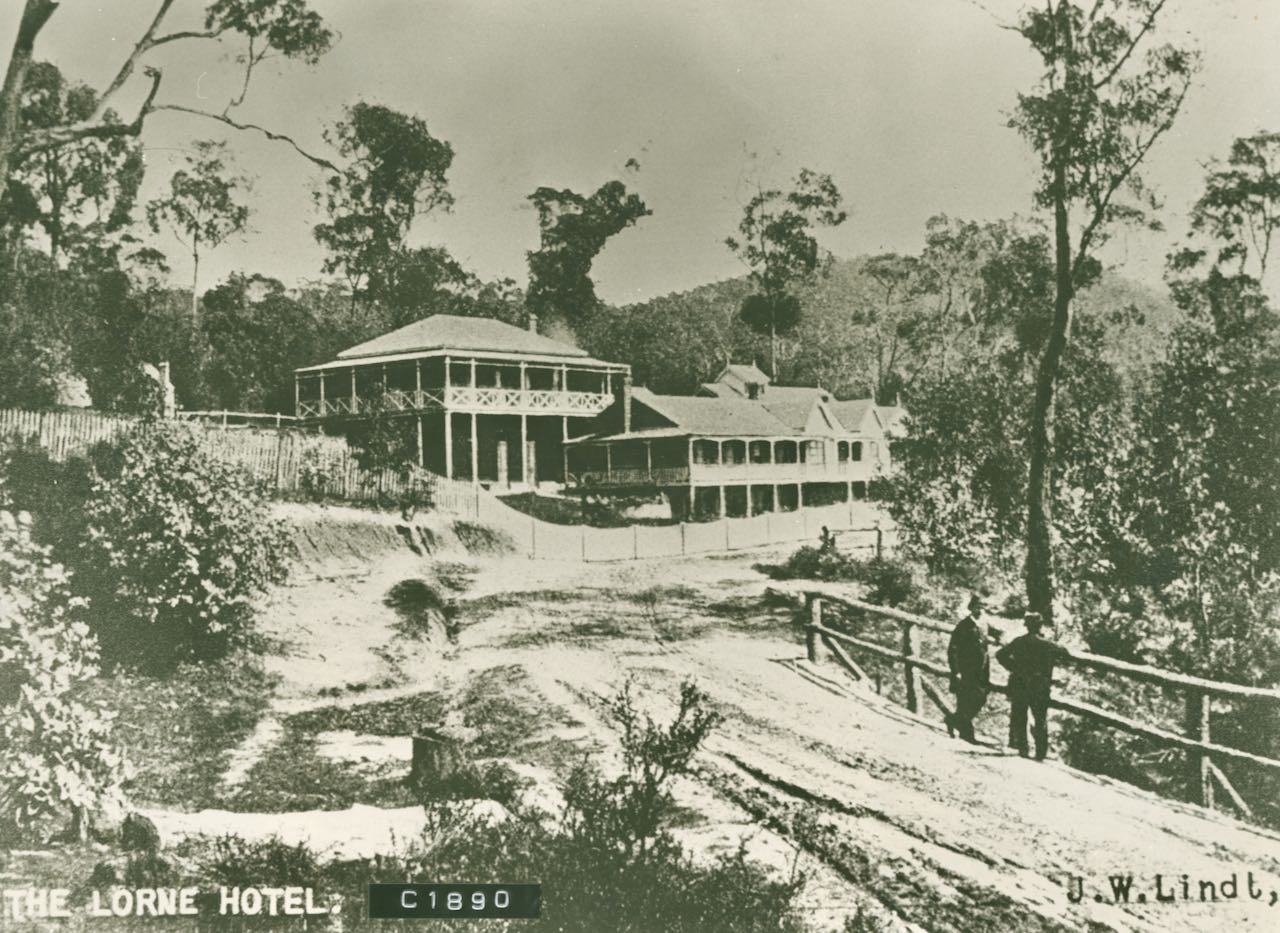
John William Lindt (1845-1926) was a German-born Australian photographer who visited Lorne and recorded many great images. He was born in German in 1845, six years after the process of photographic reproduction had been developed. His formal education which included literature four languages and music. At 17, he arrived in Melbourne and worked his way through the Australian outback to Grafton on the NSW coast. There he became apprenticed to Conrad Wagner, an artist and photographer. It was the start of his career which took him on photographic missions to New Guinea and the Pacific and win him international acclaim. He developed the garden of his home, The Hermitage, on the summit of the Black Spur. Lindt improved The Hermitage for 15 years, eventually turning the guesthouse into a retreat which offered guests the comfort of the city in the tranquility of the bush.
-
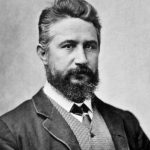
- John William Lindt (Wikipedia photo)
-
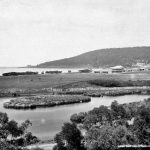
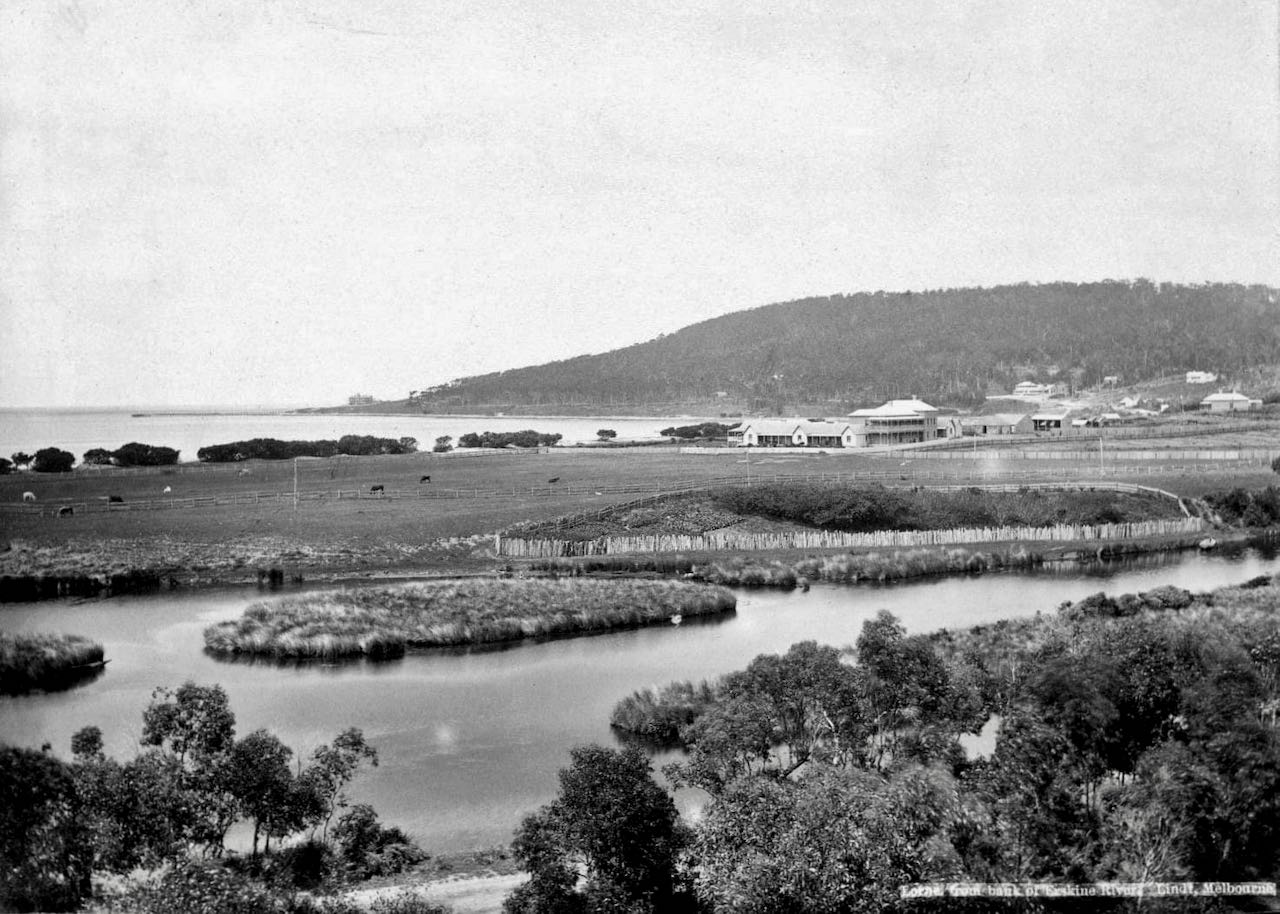
- Erskine River, Erskine House note three-storey building added, (Lindt photo)
-
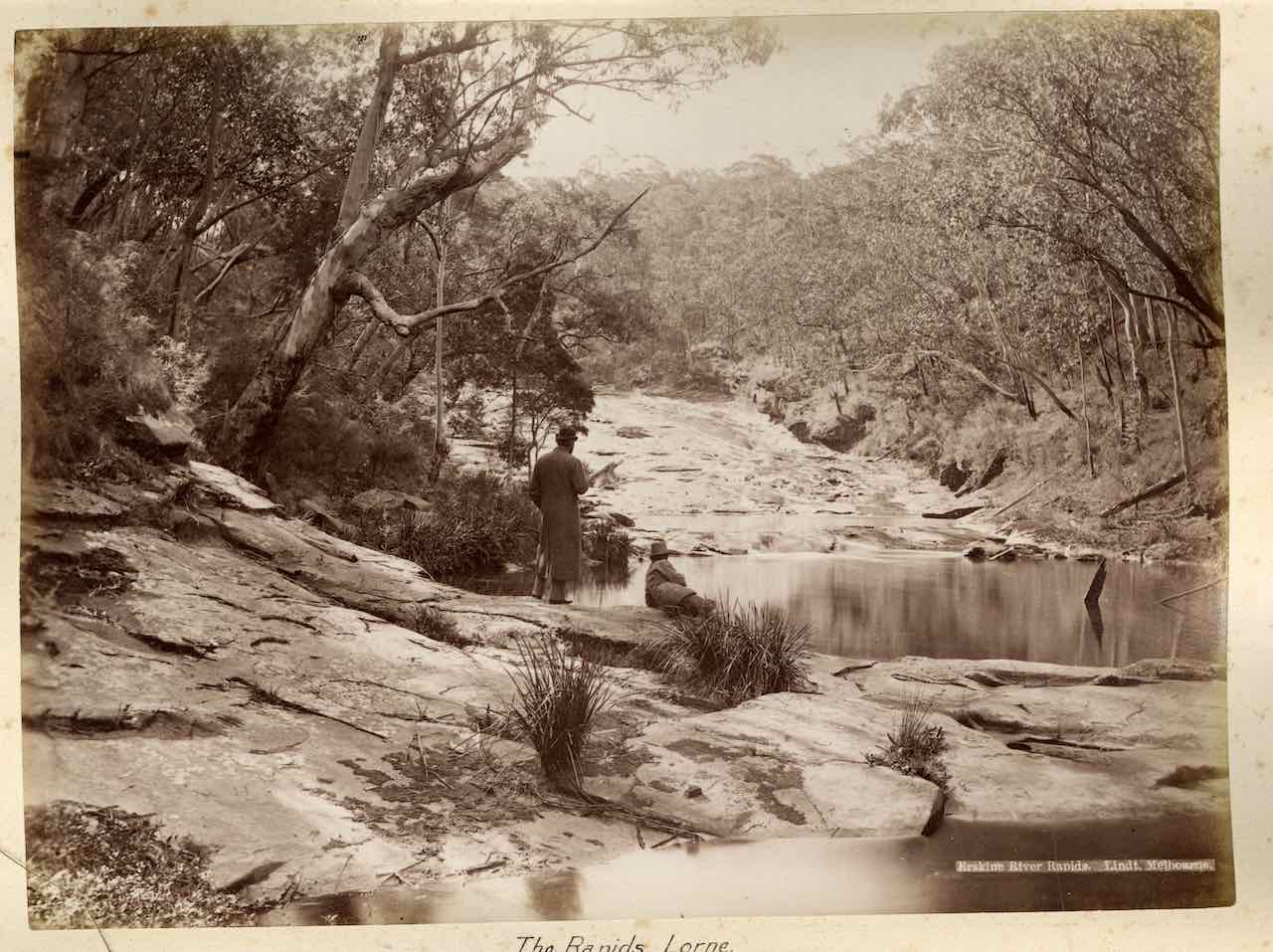
- Erskine River Rapids, Lindt photograph.
-
- Lorne Hotel (LHS photo 1444)
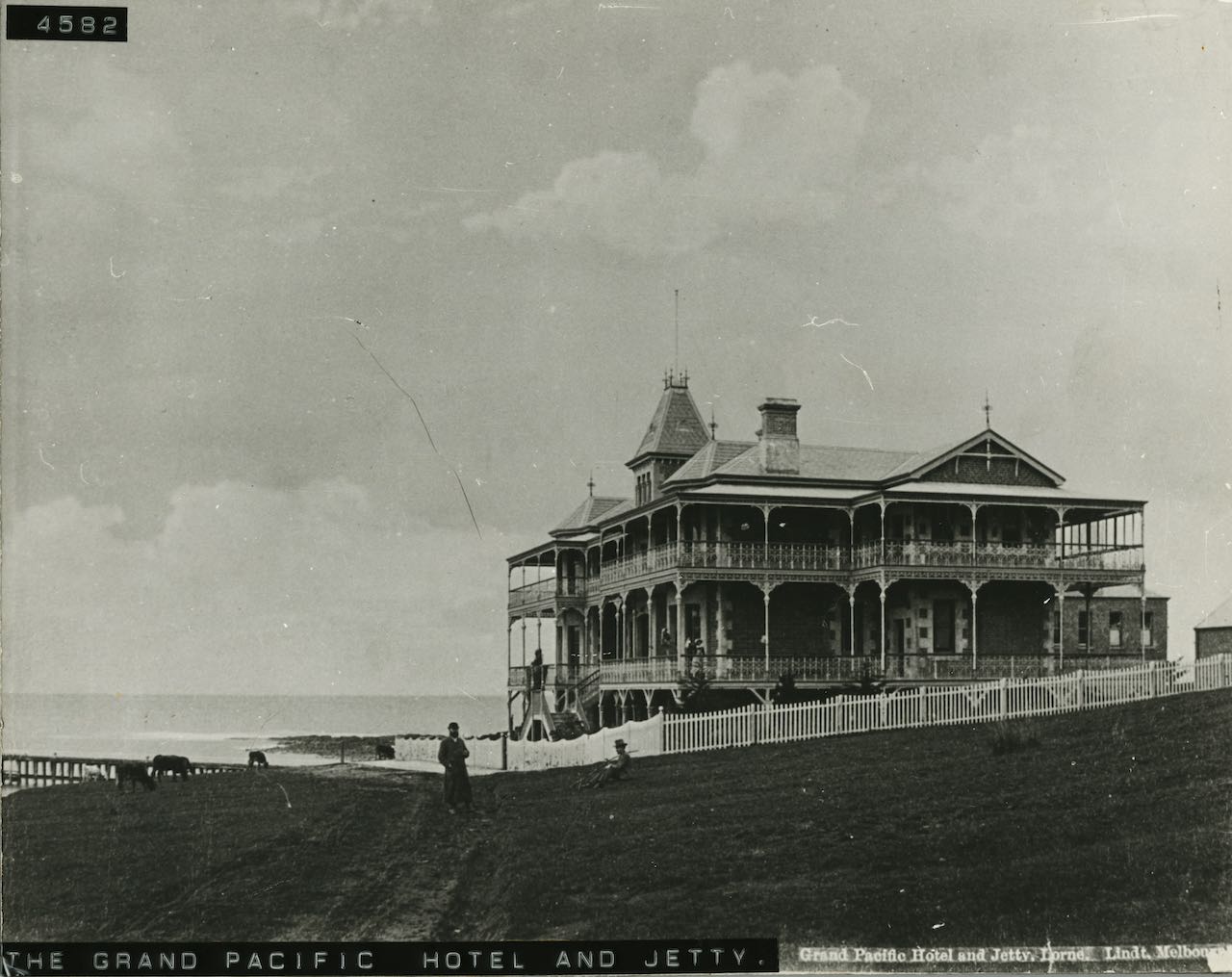
The Grand Pacific
Norman, John S.
Photography was an early, lucrative spin-off from Lorne’s long-established tourist industry. And a pioneer of the holiday snap business was talented photographer and early electrical engineer John S Norman. He processed his photographs in his shop near William Snowden’s general store.
Norman, John S.
Photography was an early, lucrative spin-off from Lorne’s long-established tourist industry. And a pioneer of the holiday snap business was talented photographer and early electrical engineer John S Norman. He processed his photographs in his shop near William Snowden’s general store.

c1895, photo taken by John S Norman, on the bank of the Erskine River, Erskine House in the background.

Norman setup his mobile studio on the banks of the lower Erskine River in 1881, producing photographs of well-heeled holidaymakers who flocked from Melbourne and Geelong to spend summer in Lorne’s grand hotels and guesthouses. The tourist photographer was a pioneer in an another illuminating field – providing Lorne with electrical lighting.

19th April 1897, Rescue Party, A J S Norman photograph. (LHS photo 4635)
Rescue Party for Mr Robertson & Miss Clark – Cora Lynn to Phantom Falls. (L-R from top, Danagher, Wilson, ?, Robertson, Richardson, ?, Miller, Clare, Miller, Bruce, Gif, Mountjoy
Rose, George

George Rose, who put Victorian holiday spots on the map with his popular postcard series. The Rose Stereograph Company was started by George Rose in 1880 and went into liquidation in 2017. George Rose travelled Australia to take thousands of photographs on glass half-plate negatives, including many scenes from around Lorne.
The company manufactured stereographs, the first three-dimensional pictures, at his factory at High Street Armidale. By 1906 the company had progressed into the Rose series of picture postcards. George died at the age of 81 in 1941, leaving the business to Mr Bert Cutts who carried on the business through the war years. Eventually moving to produce colour postcards. In 1947 the company moved to Glen Waverley and employed eleven staff and by 1967 went to 100% colour production.
Sources:
- Lorne Historical Society Collections
- Geelong Advertiser. 6 July 1996, Picture The Past article by Bernie Slattery.
- A VISIT TO LORNE IN 1916. written in 1968-69. S.F.KELLOCK.
- The Rose Stereograph Company: a snapshot
- Waverley Gazette 30 April 1980
- Life and Times of William Anderson by Roslyn J. Lawry
- J.W. Lindt, Master Photographer, by Char Jones
- MIRANDA with Julie Beams
- Museums Victoria Collections
- Daryl Babington, Facebook post, July 2025
- Trevor Lemke Archive

